
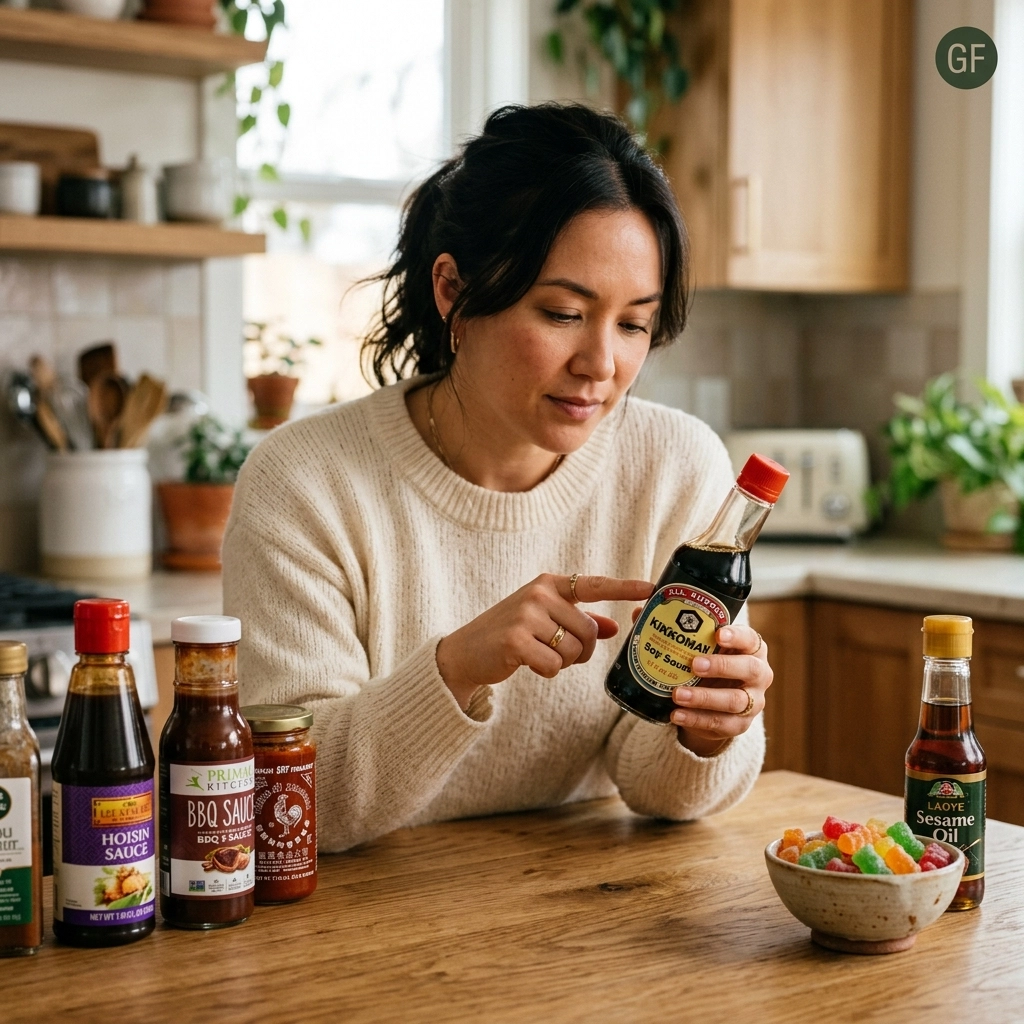
It happens to the best of us. You’re at a restaurant, you’ve done the “interrogation” of the server, you’ve checked the labels twice, but then, about thirty minutes later, that familiar, heavy thrum of a headache starts. Or maybe it’s the sudden, sharp cramping that feels like a tiny army is staging a coup in your abdomen.
Getting “glutened” is an experience every celiac and gluten-sensitive warrior knows all too well. It’s frustrating, it’s painful, and honestly? It can feel like a massive setback. But here is the first thing you need to hear: It is not your fault.
Whether it was a hidden ingredient in a sauce or cross-contamination on a grill, the battle has begun, and now it’s time for some damage control. Living with celiac disease means being your own best advocate, but even the most seasoned advocates face these moments. When the accidental ingestion happens, don’t panic. Instead, pivot to recovery mode.
If you’re feeling a little lost on where to start with your gluten-free journey, you’re not alone. I’ve put together a list of ↑ 100 Gluten-Free Facts to help sharpen your knowledge and keep those accidental exposures to a minimum in the future.
But for right now, let’s focus on getting you through the next 48 hours. Here are the five essential steps to handle accidental gluten exposure.
1. Flood the System: Hydration is Your Best Friend
When gluten enters a celiac’s system, it triggers an inflammatory response that can wreak havoc on your hydration levels. If your body responds with diarrhea or vomiting, you’re losing fluids at a rapid pace. Even if your symptoms are more “internal” (like joint pain or brain fog), your kidneys and liver need extra support to process the toxins and inflammation.
Your goal? At least 2 liters (about 64 ounces) of water daily. But don’t just stick to plain water. Electrolytes are key. Your body is under stress, and replenishing sodium, potassium, and magnesium will help combat that post-gluten fatigue. Reach for coconut water, specialized electrolyte drops, or even an oral rehydration solution.
Think of it as flushing the battlefield. You want to keep everything moving and supported.
Insert image here
2. Tame the Flare-up: Targeted Symptom Management
The immediate aftermath of being glutened often feels like your body is screaming. Instead of trying to “power through,” listen to what it needs.
- For the Nausea: Ginger and peppermint are your heavy hitters. A hot cup of ginger tea can do wonders for a rolling stomach.
- For the Pain: If you’re dealing with intense cramping, a heating pad is a game-changer. The heat helps relax the smooth muscles of the gut, providing much-needed relief. Some warriors find that a warm bath with Epsom salts helps draw out tension and soothe joint aches.
- For the Digestion: While they aren’t a “cure” for celiac disease, some people find relief using digestive enzymes or activated charcoal immediately after exposure to help bind the irritants, though you should always check with your doctor before adding these to your kit.
Recovery isn’t just about physical survival; it’s about comfort. We’ve been through this in our own home, especially when ↑ supporting my wife through her Hashimoto’s journey. We know that the physical pain is often paired with an emotional toll, so treat your body with the kindness it deserves during this flare.
3. The Power of the Pause: Permission to Rest
One of the biggest mistakes we make as high-achievers and busy parents is trying to keep our normal schedule after an exposure. Stop.
Your immune system is currently in a high-stakes battle. It is exhausting work for your body to repair the damage to your intestinal villi and calm the systemic inflammation. This is the time to cancel your plans, put on your softest pajamas, and sleep.
Low-impact movement like gentle stretching or a slow walk might feel okay later, but in the first 24 hours, rest is a requirement, not a luxury. Brain fog is a real side effect of gluten exposure, so don’t be surprised if you feel “spaced out” or unable to focus on complex tasks. Give yourself the grace to go offline.

4. The Gentle Refuel: Stick to the “Bland” Protocol
Once the initial “storm” has passed and you’re feeling up to eating, your digestive system will still be incredibly sensitive. The gluten free lifestyle tips you follow on a normal day might include lots of high-fiber veggies and complex proteins, but for the next few days, we want to go “low and slow.”
Think of the BRAT diet, but made safe for our community. Opt for:
- White rice or rice congee.
- Bananas.
- Gluten-free crackers or plain toast (made with high-quality GF bread).
- Bone broth (incredible for gut lining support).
Avoid dairy, caffeine, and spicy foods for at least 3-4 days. Even if you aren’t normally dairy-sensitive, a gluten strike can temporary damage the enzymes that digest lactose, leading to even more discomfort.

To make sure your pantry is always stocked for these emergencies, it helps to have the right tools. You can find my go-to’s in ↑ My Favorite Kitchen Tools & Gadgets list.
5. Mending the Mind: Self-Compassion and Gut Health
The most forgotten step in gluten recovery is the mental one. It is so easy to fall into a spiral of “I should have known” or “I was so stupid to trust that kitchen.”
Stop that talk right now.
Stress actually worsens digestive issues. By beating yourself up, you are physically delaying your healing. Forgive yourself. You are doing the best you can in a world that isn’t always built for us.
Once you’re feeling more like yourself, focus on repopulating your gut. A high-quality probiotic can help restore the balance of good bacteria that may have been disrupted by the inflammatory response.
If you find that cross-contamination is a recurring issue, consider using technology to help. There are some incredible ↑ Gluten-Free Apps designed to help you scan labels and find safe restaurants vetted by other warriors.

Turning a Setback into a Discovery
Every time we face a gluten exposure, we learn something new. Maybe it’s a new ingredient to watch out for, or maybe it’s a reminder that we need to slow down. Whatever the lesson is, don’t let it steal your joy. You are a warrior on a journey, and a single stumble doesn’t mean you’ve lost your way.
Take it one sip of water and one hour of rest at a time. You will feel better. You will heal. And we are here to walk that path with you. For more tips on thriving and staying inspired, check out our full ↑ Blog Space.
Tried & Tested
In our kitchen at The Wandering Quill, we don’t just talk the talk, we live it. Every recovery tip and “safe” food mention comes from our personal experience managing celiac and autoimmune health. We test these protocols ourselves so that when you ask a question, we can give you a real, honest answer from someone who has been in the trenches.
Medical Disclaimer: I am a content creator and a dedicated husband sharing our lived gluten-free experience. I am not a doctor or a licensed nutritionist. The information in this post is for educational and supportive purposes only. Please conduct your own research and consult with your healthcare provider before making changes to your medical or dietary routine, especially after a gluten exposure.