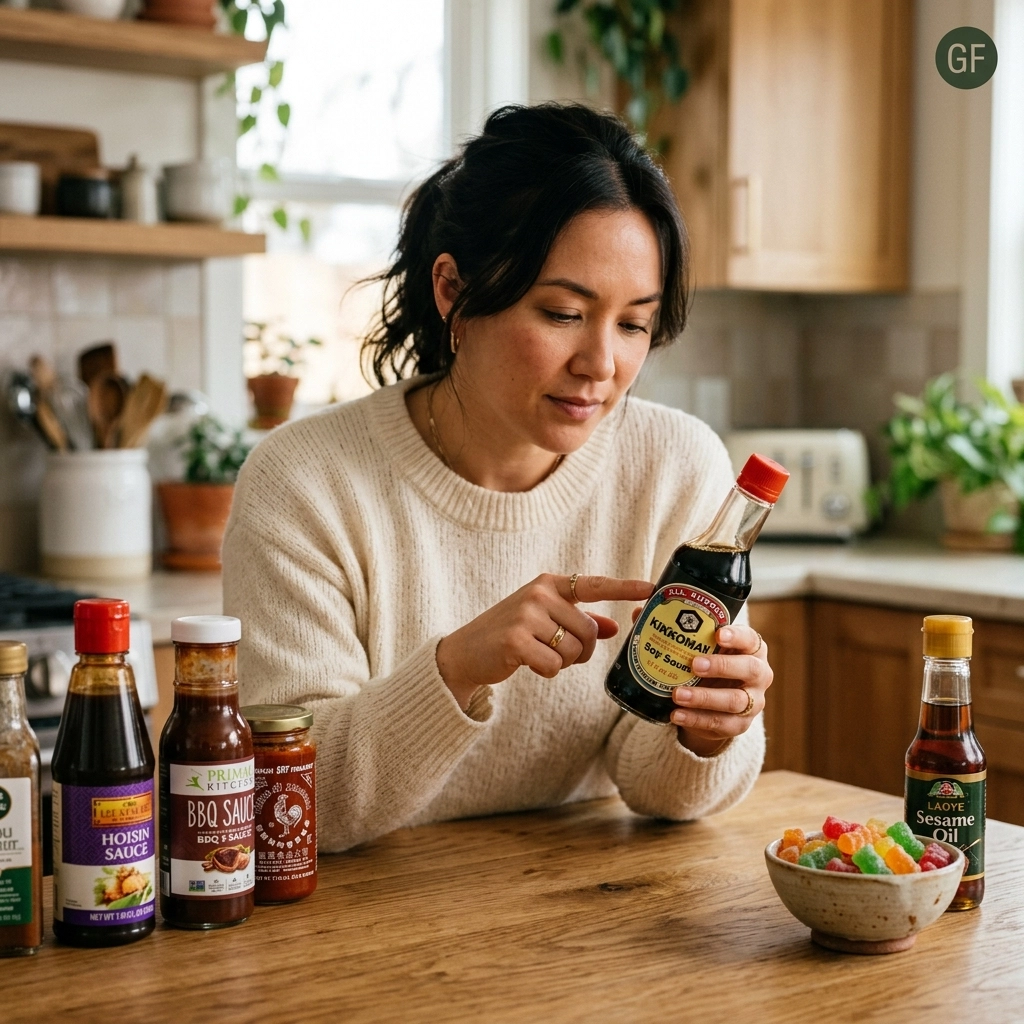

There is a specific kind of exhaustion that doesn’t show up in vacation photos. It’s the fatigue that sits deep in your marrow while you’re standing in a museum line, smiling for a selfie, while your body is screaming for a dark room and a soft pillow. When you live with an invisible illness like Hashimoto’s, Celiac disease, or chronic fatigue, travel isn’t just about packing a suitcase, it’s about managing a biological budget that is constantly running into the red.
For those of us navigating these “hidden” battles, the world often expects us to keep up. Because we look fine, the assumption is that we are fine. But as many of you fellow warriors know, the internal reality is often a stark contrast to the external view. Traveling with a chronic condition is a brave act of reclaiming your life, but it requires a different set of rules. Today, I want to talk about the emotional and physical weight of that struggle and how Tammy and I learned, through plenty of trial and error, to make the journey just as beautiful as the destination.
The Armor of the Invisible Warrior
When we first started traveling after Tammy’s Hashimoto’s diagnosis, we were determined not to let it “win.” We wanted to prove that we could still do everything we used to. We hit the ground running in Chicago, trying to see every landmark and eat at every “safe” spot we’d researched. By day three, the armor cracked. Tammy was in a full-blown flare-up, and I was frustrated because I didn’t understand why the “fun” trip had turned into a series of naps and missed reservations.
The invisible struggle is real because it’s often a lonely one. You feel like you’re holding back your travel companions, or you’re constantly performing “wellness” so you don’t ruin the mood. But true strength isn’t about pushing through until you collapse; it’s about having the courage to say, “I need to stop now so I can keep going later.”
↑ If you’re a partner or caregiver looking to better understand this journey, you might find our early reflections helpful: Supporting My Wife Through Hashimoto’s: A Husband’s Perspective.

Knowledge Is Power
The more we understood about how inflammation and stress affect the body during travel, the more we could plan for it. It’s not just about the gluten-free bread; it’s about the sensory overload of airports, the dehydration of altitude, and the emotional toll of constant vigilance. We had to stop seeing these needs as “limitations” and start seeing them as the navigational charts for our new life.
What We Got Wrong (Lessons from the Road)
Looking back, Tammy and I got a lot wrong at first. Our biggest mistake? Communication. I was trying to be the “problem solver,” while Tammy was trying to be the “easy traveler.” Neither of us was actually talking about how she felt in the moment.
- The “Push-Through” Fallacy: We thought that if we just reached the next landmark, the adrenaline would carry us. Adrenaline is a loan with high interest; you always pay it back with a crash.
- Assumption over Inquiry: I assumed Tammy would tell me when she was tired. She assumed I’d be disappointed if we went back to the hotel at 4:00 PM. We were both wrong.
- The “Normal” Itinerary: We tried to follow travel guides written for people with 100% battery. We had to learn to create a “50% battery” itinerary and be okay with it.
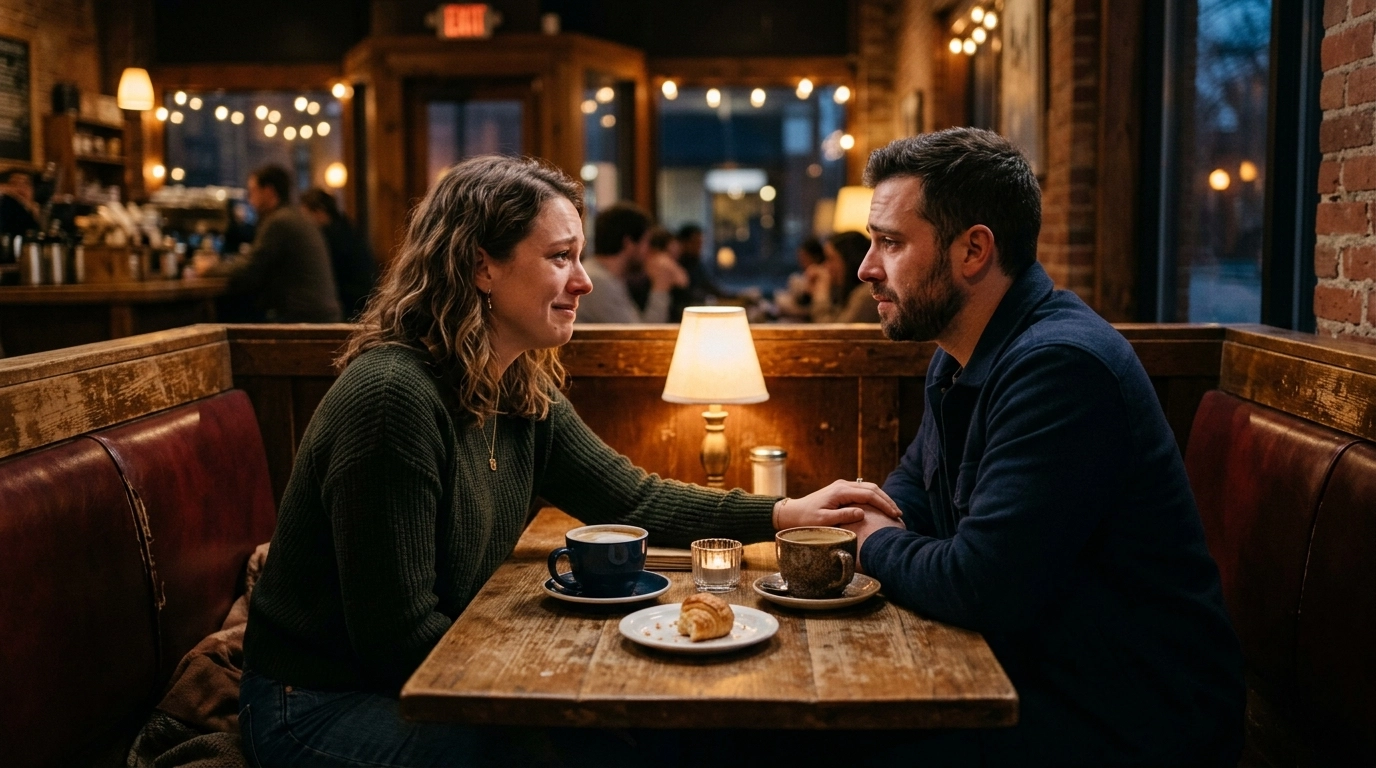
It took a particularly heartbreaking afternoon in a rainy city for us to realize that the trip wasn’t about the sights, it was about us. We sat in a quiet cafe for three hours, not saying much, just resting. That was the moment we pivoted from “fighting the illness” to “partnering with the journey.”
↑ Mastering the art of pacing and planning is the core of our approach. You can find our full strategy in The Wandering Quill Guide eBook.
Guarding Your Emotional Battery
Traveling with a chronic condition is as much an emotional challenge as it is a physical one. There is a grief that comes with realizing you can’t do the 10-mile hike your friends are planning. There is a guilt that creeps in when you have to ask for the third time if a sauce is truly gluten-free.
To manage this, we started using “Buffer Days.” We no longer plan anything for the day we arrive or the day we return. Those are designated for recovery. We also started practicing Slow Travel. Instead of five cities in ten days, we pick one and live there. This reduces the stress of transit, which is often the most taxing part of the invisible struggle.
Love Is in the Details
It’s the small victories that matter. Finding a hotel with a kitchenette so you don’t have to “perform” at a restaurant for every meal. Packing your favorite tea and a heating pad. These aren’t luxuries; they are essential tools for your survival kit.
The “Invisible Warrior” Travel Checklist
Managing your energy requires a proactive strategy. Here is the checklist we use to ensure we’re protecting Tammy’s (and our collective) emotional and physical battery:
- Pre-Trip “Quiet Week”: Reduce social and physical commitments by 30% the week before you leave.
- The “One Big Thing” Rule: Plan only one major activity per day. Anything else is a bonus.
- The Accessibility Audit: Don’t be afraid to use the airport wheelchair or priority boarding. Conserving energy during transit means more energy for the actual vacation.
- Hydration + Salt: For many autoimmune warriors, electrolytes are life. Pack your own powders.
- The “Emergency” Snack Stash: Never leave the hotel without a high-protein, safe snack. Hunger spikes stress, and stress spikes flares.
↑ For more practical tools and checklists, visit our Resources Page.

Scripts for the Journey
One of the hardest parts of the invisible struggle is explaining your needs to others. Whether it’s a travel companion, a flight attendant, or a well-meaning family member, having the right words ready can save so much emotional energy.
To a travel companion before the trip:
“I am so excited to travel with you! To make sure I can enjoy it fully, I need to let you know that I have to pace myself differently. I might need to head back to the room earlier than expected or skip a morning activity. It’s not because I’m not having fun, it’s how I make sure I don’t get sick. I’d love it if you felt free to keep exploring while I rest!”
To a server at a restaurant:
“I have a severe medical requirement regarding gluten and cross-contamination. I know it can be a lot of extra work for the kitchen, and I truly appreciate your help in keeping me safe so I can enjoy this meal.”
To a flight attendant:
“I have a chronic health condition that requires me to stay very hydrated and occasionally move around. Is it possible to get an extra bottle of water, or is there a quiet spot where I can stretch for a moment during the flight?”
The Victory of the Small Moment
Last year, we spent a week in a small coastal town. We didn’t see the famous ruins three towns over. We didn’t go to the late-night music festival. But we did sit on the beach for four hours every morning. We ate incredible gluten-free meals we cooked ourselves. And Tammy came home feeling rested instead of depleted. That was our greatest travel victory.

If you’re navigating this too, you’re not alone, and you can still travel well. It might look different than the brochures, and it might move a little slower than the crowd, but the world is still yours to explore. One paced step at a time.
↑ Ready to take the next step in your travel journey? Grab your copy of The Wandering Quill Guide and let’s start planning a trip that actually feels like a vacation.
“The journey of a thousand miles begins with a single step, and sometimes, that step is back toward the bed for a nap.” , Adapted for the Warrior Spirit
Let’s Connect!
Have you struggled with the “invisible” side of traveling? What’s one thing you wish your travel companions understood? We’d love to hear your stories or answer any questions you have about pacing.
Send us a message or leave a review here!
Tried & Tested
We want you to know that everything we share, from these travel strategies to our recipes, is used in our own kitchen and on our own adventures. We personally test every tip so we can answer your questions honestly and from the heart.
Medical Disclaimer: We share our lived gluten-free experience and what has worked for us. However, we are not doctors. Please do your own research and consult with your healthcare professional before making significant lifestyle or travel changes.