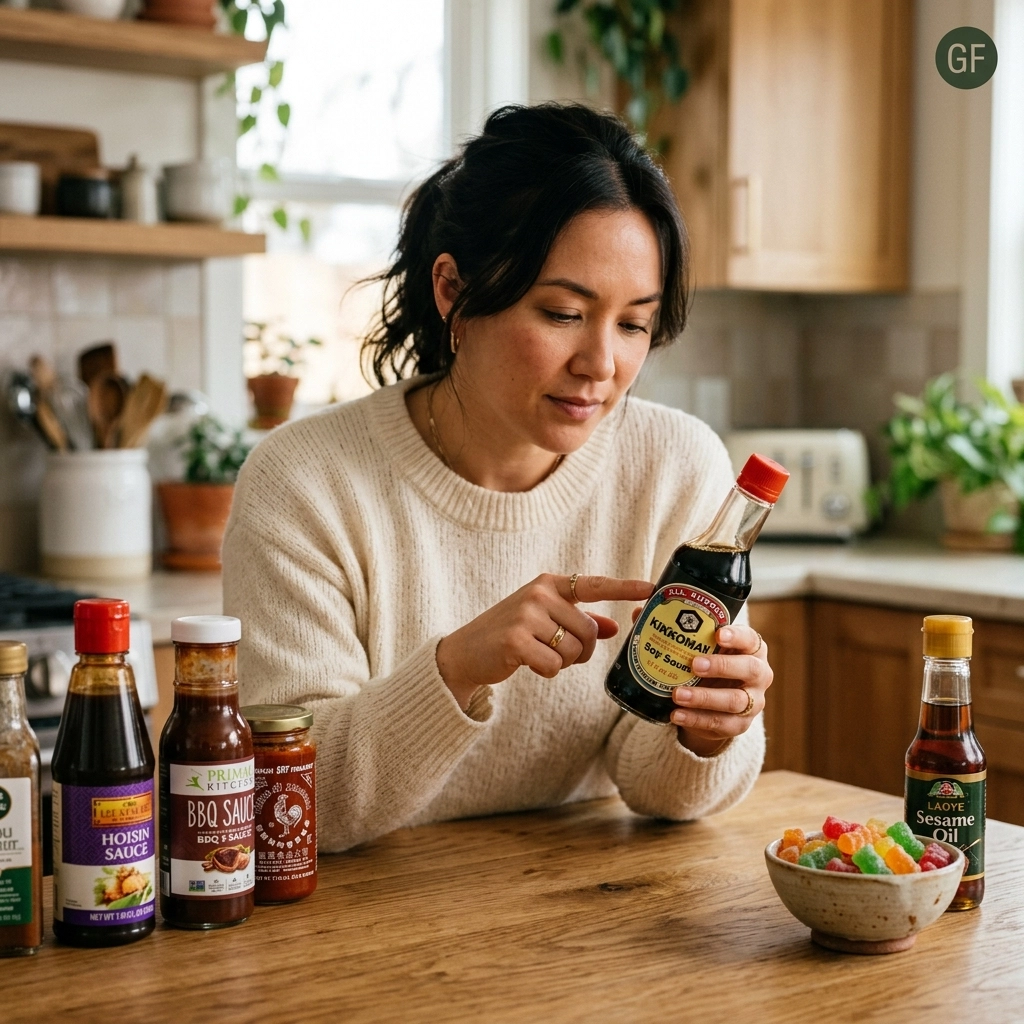

We’ve all been there, haven’t we? That shimmering, golden-hour dream of a vacation. We imagine ourselves strolling through ancient streets, the scent of fresh (gluten-free!) pastries in the air, and a feeling of pure, unadulterated freedom. We pack our bags with hope, our hearts full of the excitement that only a change of scenery can provide. But for those of us navigating the choppy waters of living with celiac disease, Hashimoto’s, or other autoimmune battles, that dream can quickly turn into a nightmare if we aren’t careful.
I’m talking about the “Post-Vacation Crash.” You know the one, where you return home feeling more exhausted than when you left, your joints aching, your brain fog thick enough to cut with a knife, and your body practically screaming at you for “borrowing” too much from tomorrow.
Tammy and I have been on this journey for years. We’ve had the high-altitude triumphs and the low-valley crashes. And if there’s one thing we’ve learned, it’s that travel isn’t about how much you can pack into a day; it’s about how much joy you can extract from the moments you do have. Today, I want to talk about the most important tool in your travel kit. It’s not a fancy GPS or a high-tech suitcase. It’s the Art of Pacing.
The Spoon Situation
If you haven’t heard of the “Spoon Theory,” let me introduce you to your new best friend (and sometimes harshest critic). Created by Christine Miserandino, it’s a way to visualize the limited energy reserves those of us with chronic illness deal with every single day.
Imagine you start your day with 12 spoons. A “healthy” person has an infinite drawer of silverware. But for us?
- Getting dressed? 1 spoon.
- Navigating a busy airport? 3 spoons.
- Finding a safe, gluten-free meal in a foreign city? 2 spoons.
- Walking three blocks to a museum? 2 spoons.
By noon, you might only have four spoons left. If you spend them all by 2:00 PM, you’re in “spoon debt.” And let me tell you, the interest rates on spoon debt are brutal. When we travel, we aren’t just tourists; we are warriors on a mission to see the world while defending our health. Travel is “expensive” in the currency of energy.
If you’re feeling overwhelmed by the logistics of managing your health while trying to enjoy life, you aren’t alone. We actually put together a comprehensive resource to help you navigate these exact hurdles without losing your mind.
↑ Grab The Wandering Quill Guides here to start reclaiming your journey! ↑
The Wall: Our Tale of Two Cities (And One Very Long Nap)
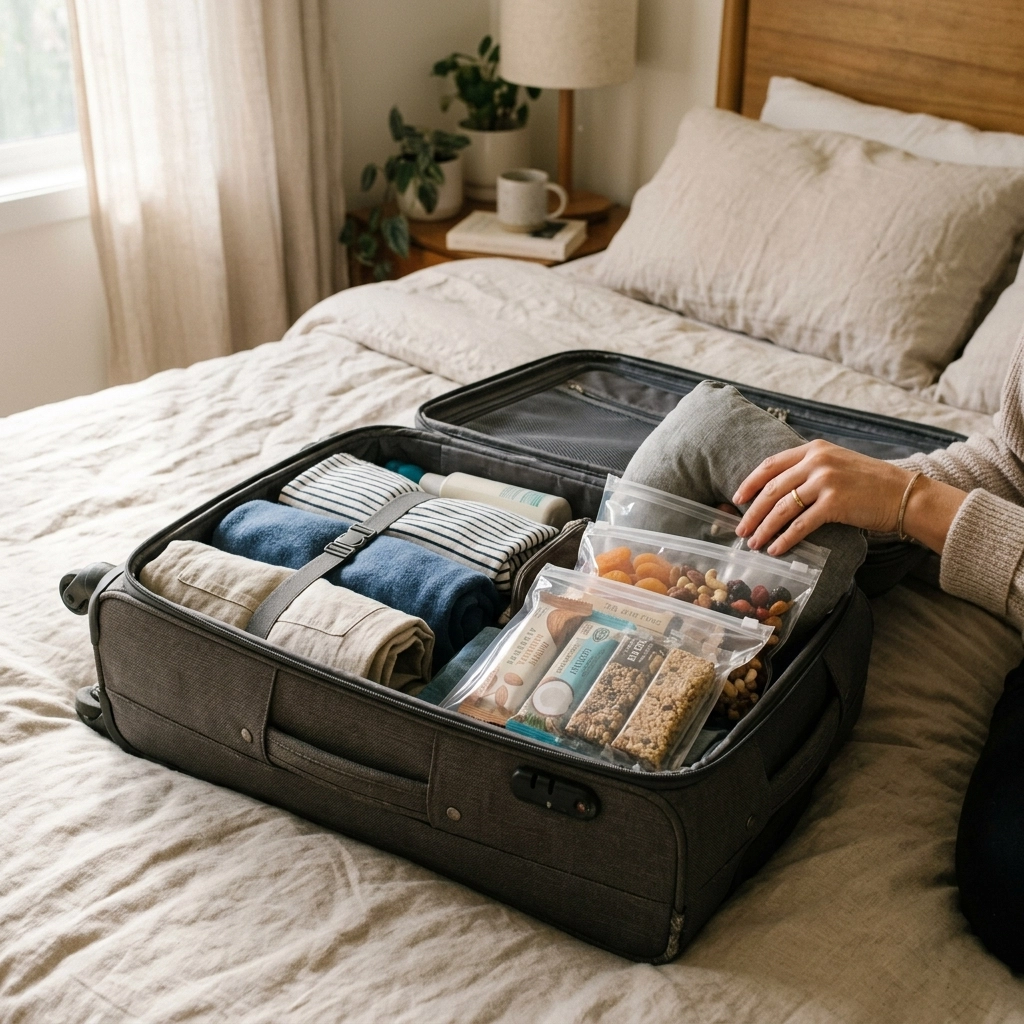
Let’s get real for a second. We haven’t always been the “Pacing Pros.” In fact, early on in Tammy’s journey, we were the absolute worst at it. I remember a trip to Charleston, a city we both adore. I had the whole thing mapped out. I’m talking a spreadsheet with color-coded blocks.
- 8:00 AM: Gluten-free biscuit breakfast.
- 9:30 AM: Walking tour of the historic district.
- 12:00 PM: Lunch at a dedicated GF spot across town.
- 2:00 PM: Boat tour.
- 4:30 PM: Shopping on King Street.
- 7:00 PM: Fancy dinner.
By 1:30 PM on the second day, The Wall appeared. Tammy didn’t just get tired; she went completely gray. Her Hashimoto’s flare hit like a freight train. We were three miles from our hotel, she was in pain, and I felt like a failure because I had “planned the perfect trip.”
What we got wrong was simple: We prioritized the itinerary over the person.
We spent the next three days of that vacation in a darkened hotel room eating room service (which was a nightmare to coordinate gluten-free) and feeling guilty. That wasn’t a vacation; it was a marathon we hadn’t trained for. We realized that to keep our gluten free lifestyle tips practical, we had to stop acting like we were “fine” and start acting like we were prepared.
Knowledge Is Power: The Pacing Checklist
So, how do we avoid the Charleston Catastrophe? We use what we call the Pacing Checklist. This is our non-negotiable set of rules for every trip we plan.
- The “One Big Thing” Rule: Schedule only one major activity per day. If it’s a museum, that’s it. If it’s a hike, that’s it. Anything else that happens is a “bonus,” not a requirement.
- The Afternoon Intermission: Between 2:00 PM and 5:00 PM, we are back at the home base. No exceptions. This is for a nap, a book, or just lying flat. This “resets” our spoon count for a nice dinner.
- The “Buffer Day”: For every three days of activity, we schedule one full “Do Nothing” day. We stay in our pajamas, we find a local park to sit in, or we just wander the block.
- The Gluten-Free Scout: Never, ever wander looking for food when you’re already tired. That’s how cross-contamination happens. We scout three safe options near our “One Big Thing” before we even leave the hotel.
- Listen to the “Yellow Light”: We use a traffic light system. Green means go. Yellow means “I’m starting to feel heavy/foggy.” Red means “If I don’t sit down now, I’m going to crash.” We have a pact: the moment one of us hits yellow, we pivot.
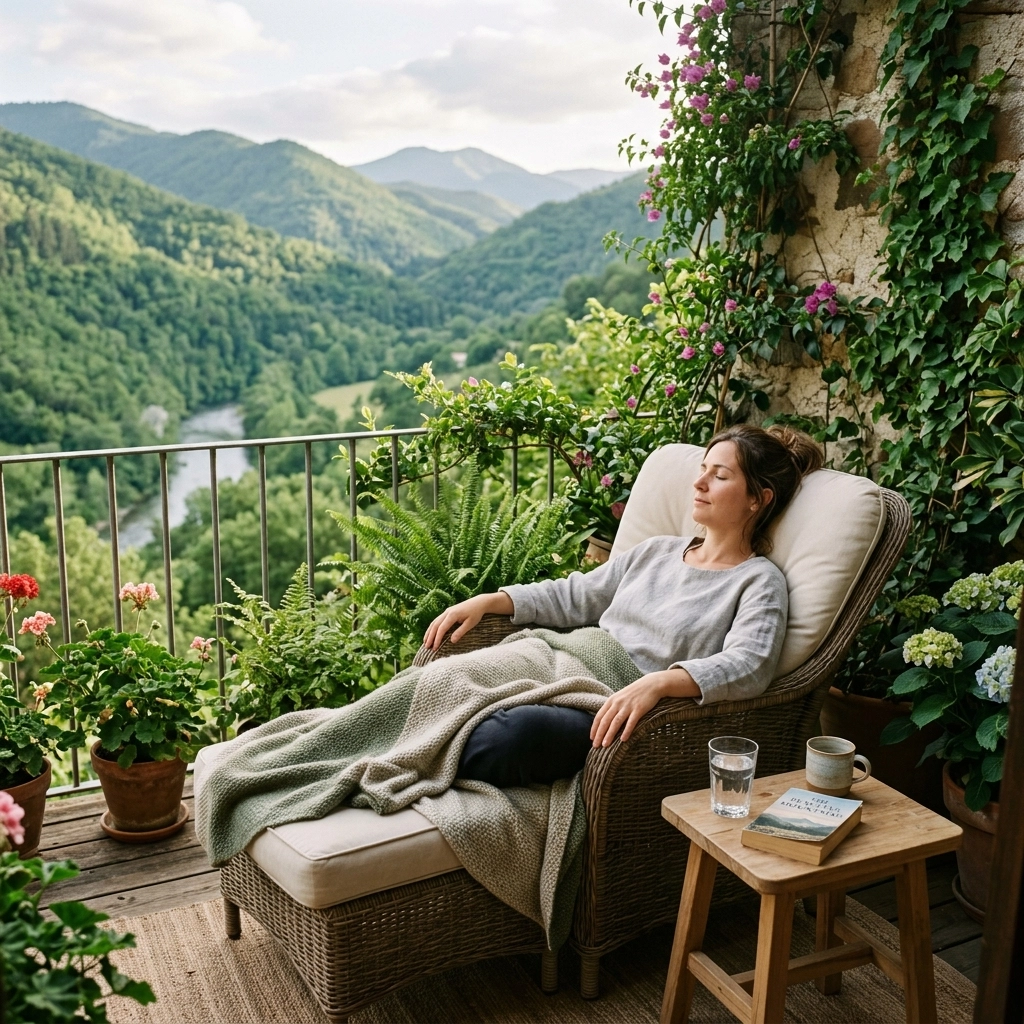
Pacing isn’t a limitation; it’s a strategy for victory. It’s the difference between seeing three things and remembering them vividly, or seeing ten things through a haze of exhaustion and tears.
We’ve found that when we focus on the hashimoto’s diet and lifestyle needs first, the travel experience actually becomes richer. You notice the small details when you aren’t rushing to the next “block” on a spreadsheet.
If you want to see how we’ve integrated these strategies into our daily lives, beyond just travel, take a look at our full story. It’s been a long road, but we’ve learned so much about finding joy in the “slow.”
↑ Read more about our journey on the My Story page. ↑
Love Is in the Details: How to Talk to Your Team
One of the hardest parts of pacing isn’t the physical act; it’s the social one. We often feel like we’re “ruining the fun” for our travel companions. Whether it’s a spouse, a friend, or kids, the guilt can be overwhelming.
But here is the truth: The people who love you want you to be well. They would much rather have a happy, rested version of you for two hours than a miserable, crashing version of you for ten.
Here are a few “scripts” we use to manage expectations without feeling like a burden:
- To a partner: “I am having such a great time with you. To make sure I have enough energy for our dinner tonight, I’m going to head back and rest for two hours. Why don’t you go check out that shop you liked and we can meet up at 6:00?”
- To a group of friends: “My ‘spoons’ are running a bit low today, so I’m going to sit this next activity out and meet you all for lunch. I want to make sure I’m feeling 100% for the boat tour later!”
- To yourself: “Taking a break isn’t failing; it’s recharging. I am a warrior, and even warriors need to clean their armor and rest by the fire.”

Victory in the Quiet Moments
Together, we are rewriting the rules of what it means to travel with an autoimmune condition. We are moving away from the “push through the pain” mentality and toward a “thrive through the planning” lifestyle.
Every time you choose to rest instead of pushing into a flare, you are winning a battle. Every time you advocate for your needs, you are showing the world that your diagnosis doesn’t define your boundaries, you do.
Remember, the goal of a vacation is to return home with a soul that feels full, not a body that feels broken. You deserve to see the world, and the world deserves to see you at your best.
Tried & Tested
We don’t just write these tips; we live them. Every pacing strategy and “spoon-saving” hack mentioned here has been tested in the streets of London, the trails of the Pacific Northwest, and the beaches of the coast. We’ve done the over-planning so you don’t have to. We personally test every “rest protocol” and gluten-free snack recommendation in our own lives before we share them with you.
Medical Disclaimer: We are sharing our lived gluten-free experience and what has worked for us as a family navigating celiac and Hashimoto’s. However, we are not doctors or medical professionals. Everyone’s body is unique, and what works for us may not be right for you. Please do your own research and consult with your healthcare team before making significant changes to your diet or travel routines.
“The journey of a thousand miles begins with a single step: and a very well-timed nap.”
We’d love to hear from you! Have you mastered the art of pacing, or are you still hitting “The Wall”? What’s your biggest travel struggle when it comes to your health?
Click here to send us a message or leave a review: we read every single one!
If you’re looking for more ways to make this lifestyle feel effortless and delicious, don’t forget to check out our ultimate resource.
↑ Get your copy of The Wandering Quill Guides here! ↑
Stay strong, keep wandering, and don’t forget to count your spoons.