We’ve all been there. You spend two hours in the kitchen, carefully measuring expensive almond flour and starch, waiting for the rise, and peering through the oven glass with high hopes. But when you finally pull that loaf out, it’s… well, it’s a brick. Or worse, it’s a crumbly mess that disintegrates the moment you try to spread a little butter on it.
For years, my wife Tammy and I fought the Battle of the Bread. When she was first diagnosed with Hashimoto’s and Celiac, the loss of a good sandwich or a piece of morning toast felt like a personal heartbreak. We tried every store-bought brand, but most of them tasted like dry cardboard or were so full of mystery preservatives that they made her feel worse, not better.
We were on a mission: we wanted bread that actually acted like bread. We wanted something that had a “chew,” something that wouldn’t crumble into dust in our hands, and something that actually helped her gut instead of just filling a hole.
That’s when we discovered the miracle of psyllium husk.
If you’ve been struggling with the texture of your home-baked loaves, this one simple ingredient is about to become your new best friend. It’s the “glue” that gluten-free warriors have been searching for, and it’s a total game-changer for our health, too.
The Magic in the Dust
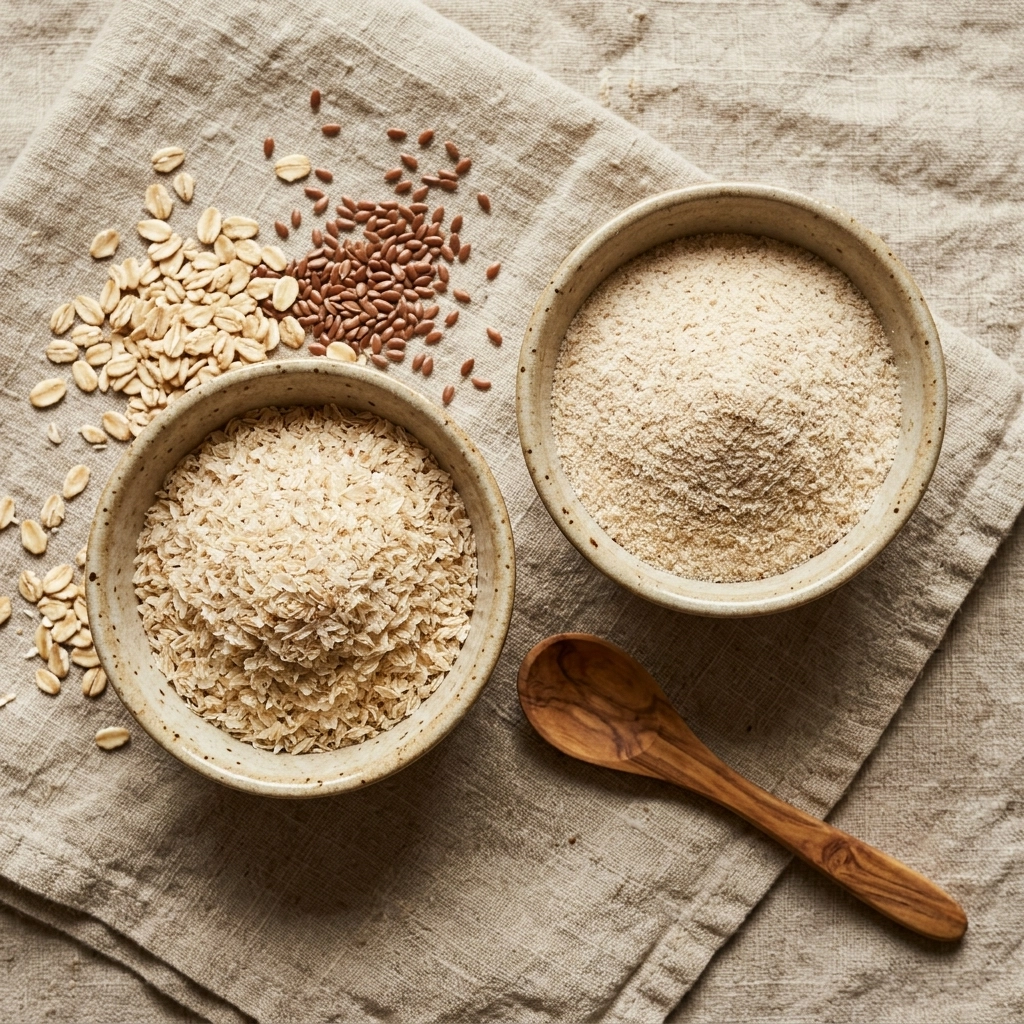
So, what exactly is psyllium husk? It sounds like something out of a sci-fi novel, but it’s actually a type of fiber made from the seeds of the Plantago ovata plant. It’s been used for centuries in traditional medicine, but in the world of gluten-free baking, it serves a very specific, mechanical purpose.
Gluten is what gives traditional bread its elasticity. It’s what allows the dough to stretch and trap air bubbles, leading to that soft, airy interior. When we take gluten out, we lose that “bounce.” Most recipes try to fix this with xanthan gum, which is fine, but it can sometimes leave things feeling a bit gummy or “plastic-y.”
Psyllium husk is different. It’s a hydrocolloid, meaning it loves water. When you mix it with liquid, it turns into a thick, jelly-like gel. When you add that gel to your gluten-free flour blends, it mimics the protein structure of gluten. It creates a web that traps the gases from your yeast, allowing your bread to rise higher and hold its shape.
Before we dive into how to use it, you need to make sure your pantry is stocked with the right basics to support this journey. Check out our Top 101 Gluten-Free Pantry Essentials to ensure you have the best foundations for your kitchen battles. ↑
Healing the Gut: Why Fiber Is Our Secret Weapon
As many of us living with Hashimoto’s or Celiac know, our gut is often the front line of our health battles. For Tammy, managing inflammation meant more than just “avoiding gluten”, it meant proactively supporting her digestive system.
The “fiber gap” is a real thing in the gluten-free world. Most gluten-free flours (like white rice flour or tapioca starch) are highly refined and stripped of fiber. This can lead to sluggish digestion and spikes in blood sugar, neither of which are good for our thyroid health.
By adding psyllium husk to your bread, you aren’t just improving the texture; you’re adding a powerful prebiotic fiber. Psyllium helps:
- Support Motility: For those of us with hypothyroidism, “slow” digestion is a common struggle. Psyllium keeps things moving gently.
- Regulate Blood Sugar: It slows down the absorption of sugars, preventing those energy crashes that leave us feeling exhausted by noon.
- Feed Good Bacteria: It acts as food for the beneficial bacteria in your gut, which is essential for calming the autoimmune response.
The Transformation of the Dough
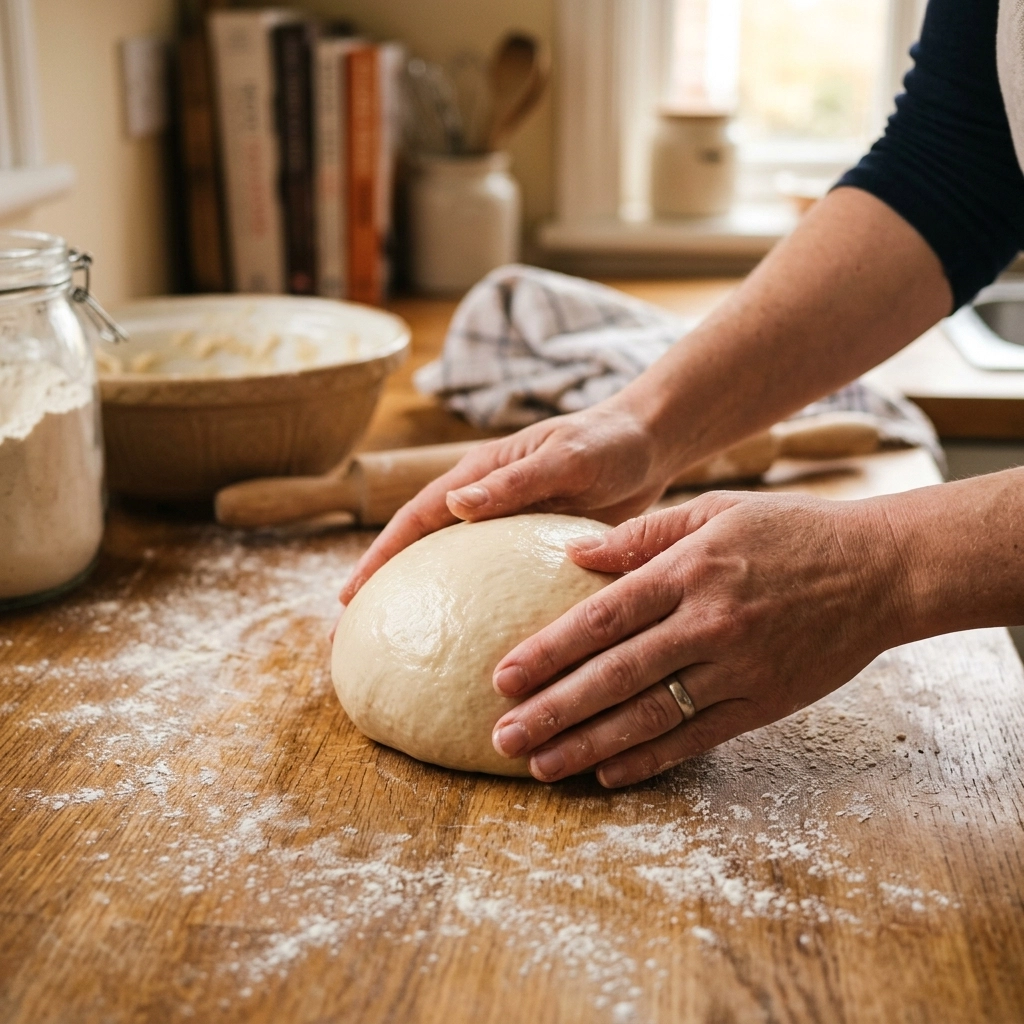
One of the most rewarding parts of using psyllium is the tactile experience. Normally, gluten-free dough is more like a “batter”, you pour it into a tin and hope for the best. You can’t really touch it or shape it without it sticking to everything.
But when we started using psyllium in our Rustic Artisan Bread recipe, everything changed. Suddenly, the dough was pliable. I remember the first time Tammy was able to actually knead and shape a loaf into a boule by hand. There were almost tears in the kitchen that day. It felt like we had reclaimed a piece of our old life. ↑
If you want to try this yourself, here is the secret ratio: use about 5-7% of the total flour weight in psyllium husk.
- Pro Tip: Always look for whole psyllium husks or blonde psyllium husk powder. Avoid the flavored “fiber supplements” from the pharmacy aisle, you don’t want orange-flavored sourdough!
Lessons Learned in the Kitchen
We’ve made plenty of mistakes so you don’t have to. Here are a few “victories” we’ve discovered through trial and error:
- Give it Time: Psyllium needs about 10–15 minutes to fully hydrate. Mix it with your warm water first and let it sit until it becomes a thick gel before adding your flours.
- The “Grey” Factor: Some psyllium brands can turn your bread a slightly purple or grey hue when baked. Don’t worry, it’s totally safe to eat! If you want a bright white loaf, look for “powdered” versions that specify they won’t change the color.
- Hydration is Key: Because psyllium absorbs so much water, you might need to increase the liquid in your recipe. If the dough feels like a rock, add a tablespoon of water at a time.
- The Crumb Check: Don’t slice your bread while it’s hot! I know the smell is intoxicating, but gluten-free bread with psyllium needs to cool completely to “set” its structure. If you cut it too early, the steam will escape and leave you with a gummy center.
Knowledge Is Power, Love Is in the Details
Living with an autoimmune condition can often feel like a series of “no’s.” No bread, no pasta, no ease. But we believe that every time we find a way to make a “yes” happen, like a perfect, chewy, fiber-rich slice of toast, it’s a victory.
I wrote about this journey of discovery and the emotional weight of supporting a spouse through these changes in my post Supporting My Wife Through Hashimoto’s. It’s not just about the food; it’s about the love and intention we put into our health. ↑
The Result: Bread You’ll Actually Crave
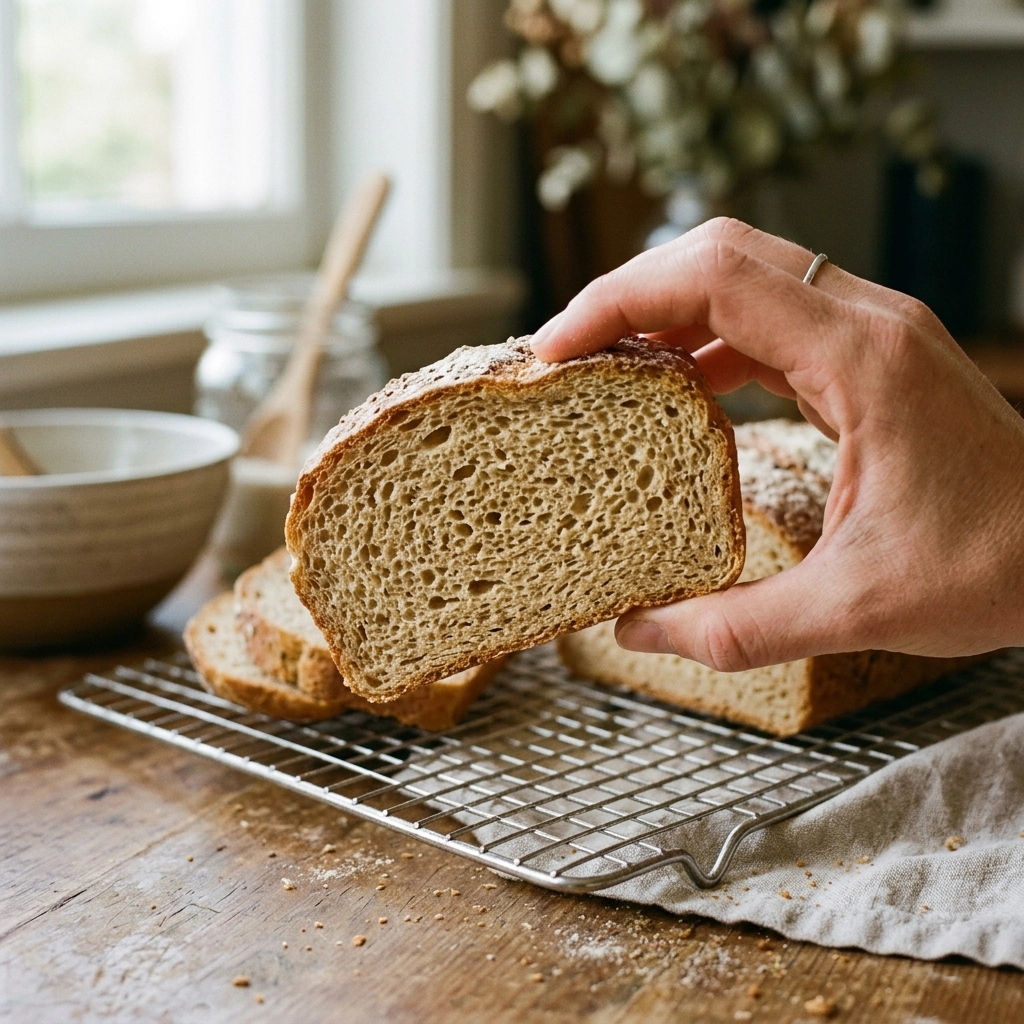
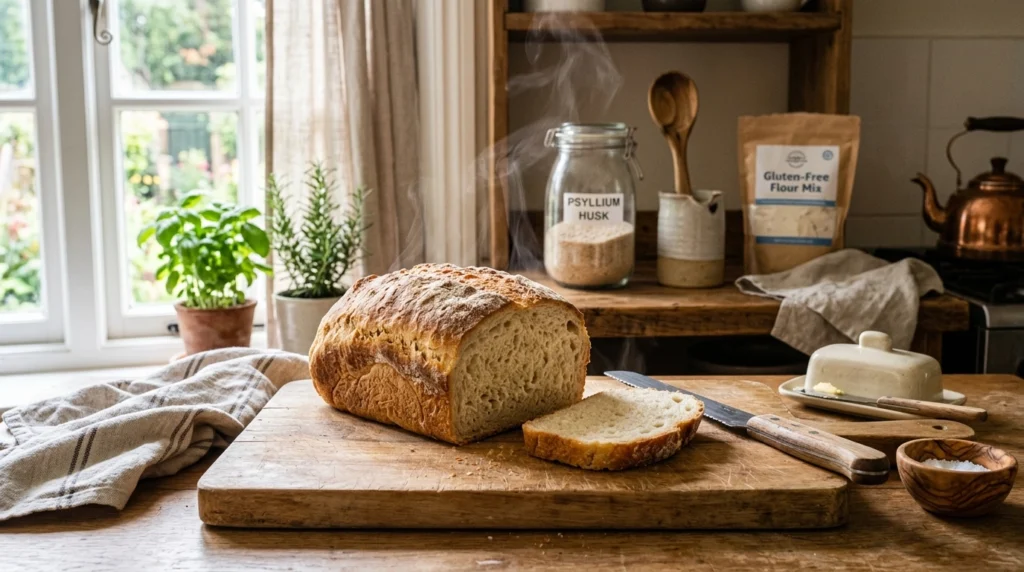
When you get the psyllium balance right, the result is beautiful. Look at that crumb! It’s flexible, it’s soft, and it stays fresh for days instead of turning into a rock overnight.
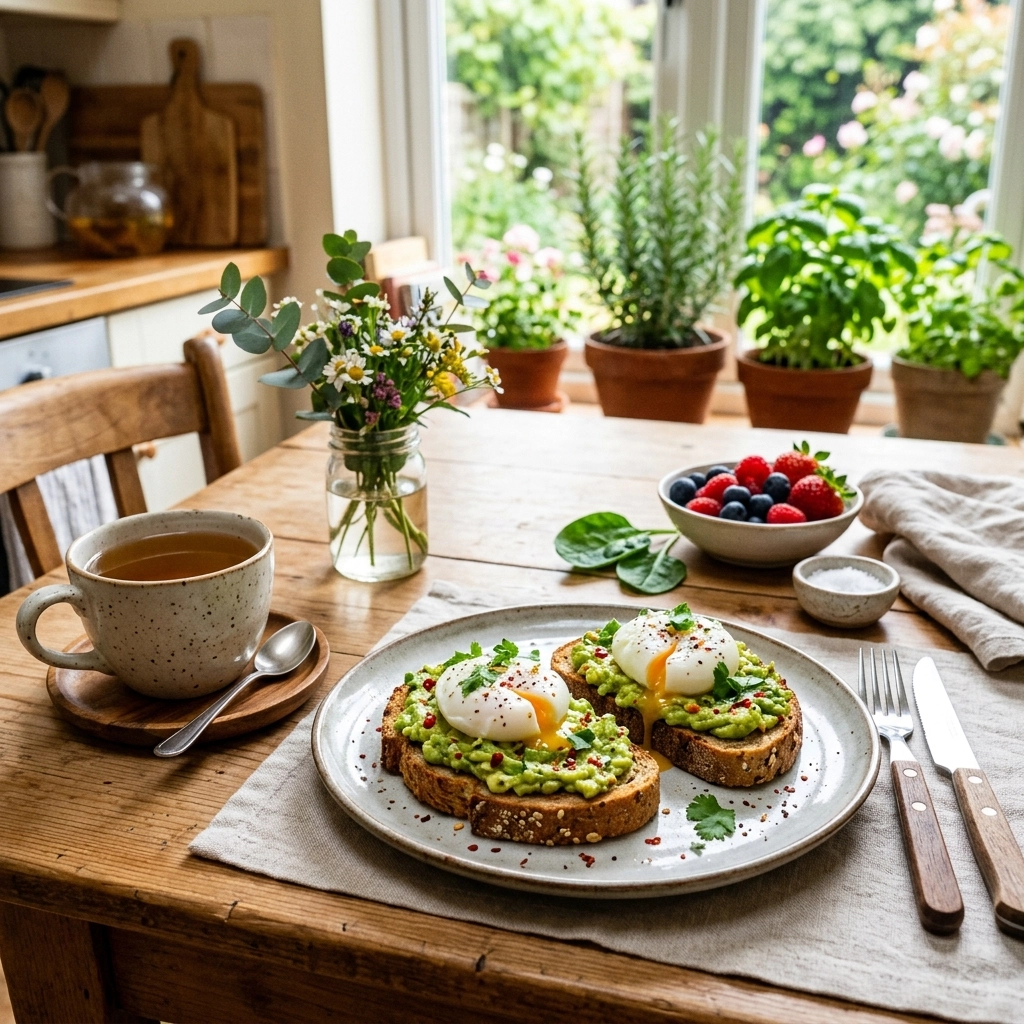
More importantly, it’s a meal that loves you back. When Tammy sits down with a piece of this bread, topped with some fresh avocado and an egg, I know she’s getting the fiber her body needs to fight her daily battles. We aren’t just surviving; we are thriving.
Victory is sweet (and sometimes toasted).
If you are feeling overwhelmed by your diagnosis or just tired of eating “sad bread,” please know that you are not alone. We are in this together, one loaf at a time. You have the strength of a warrior, and you deserve food that makes you feel powerful.
If you’re ready to take the guesswork out of your kitchen and find more “life-saving” tips like this, I’ve put everything we’ve learned into one place. From reading labels to mastering the perfect loaf, it’s all there for you.
Grab your copy of The Hidden Gluten Handbook here and let’s start this journey together! ↑
Tried & Tested
At The Wandering Quill, we don’t just write about recipes, we live them. This “psyllium trick” is something we use in our own kitchen every single week. We’ve personally tested these ratios and methods through countless “failed” loaves so that we can answer your questions honestly. We want you to succeed on your first try!
Medical Disclaimer: We share our lived gluten-free experience and the knowledge we’ve gained on our personal health journey. However, we are not doctors or certified nutritionists. Every body is different, especially when dealing with autoimmune conditions. Please do your own research and consult with your healthcare provider before making significant changes to your diet or supplement routine.
We Love Hearing From You!
If this recipe brought a little joy to your morning, we’d truly love to hear about it. Share your own gluten-free wins, tell us how your pancakes turned out, or leave a review so other warriors in our community can feel encouraged too. Every story, every small victory, and every kind word helps remind us that we’re walking this journey together.
“Resilience isn’t about never struggling—it’s about getting back up, learning as we go, and choosing hope again and again.”