
If you’ve ever woken up feeling like you’re walking through a thick fog, where every limb feels like it’s made of lead and your brain just refuses to “switch on”, then you know exactly where Tammy and I have been. For years, our house felt like a battlefield, and the enemy was invisible. We were fighting chronic fatigue, joint pain that made even the simplest tasks feel like a mountain climb, and a sense of overwhelm that shadowed every single day.
When Tammy was diagnosed with Arthritis and I was told my “sluggishness” was actually Hashimoto’s Thyroiditis, it felt like the floor had dropped out from under us. Hashimoto’s isn’t just “having a slow thyroid.” It’s an autoimmune disorder where your own immune system, the very thing meant to protect you, mistakenly attacks your thyroid gland. The result? Chronic inflammation, a roller coaster of hormones, and the heavy weight of hypothyroidism.
We were told it was just something we’d have to “manage.” But for us, “managing” wasn’t enough. We wanted our lives back. We wanted to be warriors in our own health journey, not just victims of a diagnosis. That’s when we started digging. We looked at everything, from the stress we carried to the food on our plates. And that’s when we found the one thing that changed everything for us: the connection between gluten and the thyroid.
Today, I want to take you on a deep dive into why we said a final, firm goodbye to gluten. This isn’t just about a “diet trend.” This is about the science, the struggle, and the incredible healing that can happen when you finally give your body the peace it’s been begging for. Whether you’re looking for a hashimoto’s diet that actually works or you’re just starting your journey living with celiac disease, know that you aren’t alone. We’re in this together.
The Battle Within: Understanding the Hashimoto’s Connection
Before we get into the “why,” we have to understand the “what.” Hashimoto’s is often misunderstood. It’s not a thyroid disease; it’s an immune system disease that affects the thyroid. This distinction is crucial. If your immune system is fired up and looking for a fight, it’s going to keep attacking until you find a way to calm it down.
For many of us, gluten is the fuel that keeps that fire burning. Gluten is a protein found in wheat, barley, and rye. For most people, it’s just part of a sandwich. But for those of us with autoimmune tendencies, it can be the ultimate trigger. We started our transition by looking at The 7-Day Anti-Inflammatory Kickstart, and the results were almost immediate.
But why does a piece of bread cause your thyroid to suffer? Let’s look at the science that convinced us to clear out our pantry and start fresh.
Knowledge Is Power: The Science of the “Leaky Gut”

One of the most eye-opening things I ever learned was the concept of Intestinal Permeability, or what most of us call “Leaky Gut.” Think of your gut lining like a garden gate. In a healthy body, that gate is locked tight, only opening to let in the “good guys”, nutrients, vitamins, and minerals.
However, research has shown that gluten triggers the release of a protein called Zonulin. Zonulin is like a key that unlocks the gate and leaves it wide open. When those tight junctions in your gut lining are compromised, undigested food particles, toxins, and bacteria “leak” into your bloodstream.
Your immune system sees these “intruders” and goes into full-on combat mode. This leads to systemic inflammation, which is the last thing someone with Hashimoto’s needs. A study published in Frontiers in Nutrition (2023) suggests that for many, reducing this “leaky” response by removing gluten can significantly lower thyroid antibodies. When we stopped letting the “intruders” in, our bodies finally had a chance to stop fighting and start healing.
Love Is in the Details: The Case of Mistaken Identity (Molecular Mimicry)
This was the “aha!” moment for me. Have you ever heard of Molecular Mimicry? It sounds like something out of a sci-fi movie, but it’s a very real biological process.
The protein structure of gliadin (a component of gluten) is remarkably similar to the protein structure of your thyroid tissue. When your immune system is already on high alert because of a leaky gut, it starts creating antibodies to attack the gluten you just ate. But because the thyroid looks so similar to the gluten, your immune system gets confused. It starts attacking your thyroid by mistake.
It’s a tragic case of mistaken identity. Every time I ate a “normal” piece of pizza, my body thought it was fighting a foreign invader, and my thyroid was the collateral damage. A 2019 study in Nutrients Journal found that folks with Hashimoto’s often have much higher levels of anti-gliadin antibodies. By removing the gluten, we essentially “hid” the target from our immune systems.
Finding Our Rhythm: The Middle Ground of Sensitivity
Not everyone with Hashimoto’s has celiac disease. In fact, many of us test negative for it! This is where Non-Celiac Gluten Sensitivity (NCGS) comes in. For years, I thought that because I didn’t have celiac, I was “fine” to eat bread. But Tammy and I both realized that even without the “official” diagnosis, gluten was making us miserable.
NCGS doesn’t always cause the overt intestinal damage that celiac does, but it still triggers that inflammatory cascade. We were dealing with brain fog so thick we couldn’t remember where we put our keys, and joint pain that made Tammy feel twice her age.
If you’ve been told your labs are “normal” but you still feel like a zombie, it might be time to listen to your gut, literally. A 2022 study in BMC Endocrine Disorders showed that Hashimoto’s patients who went gluten-free for just six months saw a massive drop in antibody levels and a huge boost in their quality of life.
The Turning Point: Our Personal “Aha!” Moment
I’ll never forget the first month we went fully gluten-free. It wasn’t easy. I’m a guy who loves his comfort food, and the idea of never having a “real” roll again was heartbreaking. But then, something shifted.
About three weeks in, Tammy woke up and realized she hadn’t needed to take her “emergency” anti-inflammatory meds for her joints. A week after that, I realized I hadn’t needed an afternoon nap for five days straight. My TSH levels, which had been bouncing around like a basketball, finally stabilized.
We realized that we weren’t just “missing out” on bread; we were gaining our lives. We started experimenting with anti inflammatory diet recipes to help with healing and found that we could still have all the flavor without the fallout. We even found that our kitchen became a place of joy again, rather than a place of stress.
↑ Looking for the right tools to start your journey? We’ve curated our favorite kitchen essentials at our Whisk and Wander Amazon Store. From the perfect whisks to high-quality glass storage for meal prepping, these are the tools we use every day in our own gluten-free kitchen. Click here to browse Whisk and Wander!
Victory in the Kitchen: Transitioning to a Gluten-Free Life
If you’re feeling overwhelmed, believe me, we get it. The transition is a journey, not a sprint. Here are the steps that helped us turn our kitchen from a gluten-trap into a sanctuary:
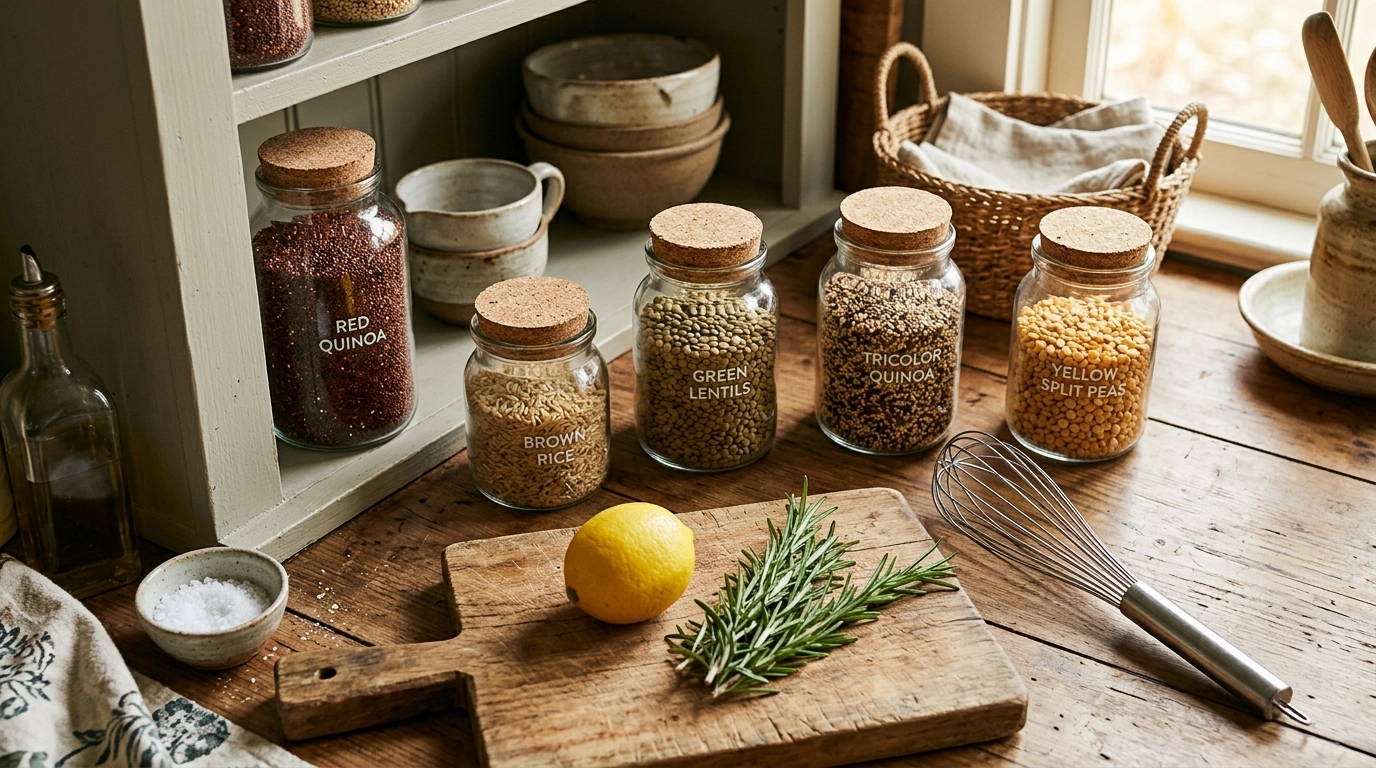
- The Great Purge: We went through our pantry and donated everything with wheat, barley, or rye. If it wasn’t in the house, we couldn’t eat it in a moment of weakness.
- Label Literacy: We learned that gluten hides everywhere, in soy sauce, in salad dressings, even in some spices! Always look for that “Certified Gluten-Free” seal.
- The “Swap” Mindset: Instead of focusing on what we couldn’t have, we looked for what we could. We swapped wheat pasta for quinoa or brown rice pasta. We started making our own Gluten-Free Lasagna that tastes even better than the original!
- Listen to Your Body: We kept a food journal. If we felt “off” after a meal, we noted it down. This helped us realize that sometimes it wasn’t just gluten, it was dairy or soy, too. Check out our post on Still Tired After Going Gluten-Free? The Hidden Iron Gap if you’re struggling even after the switch.
A Warrior’s Plate: Delicious, Approachable Recipes
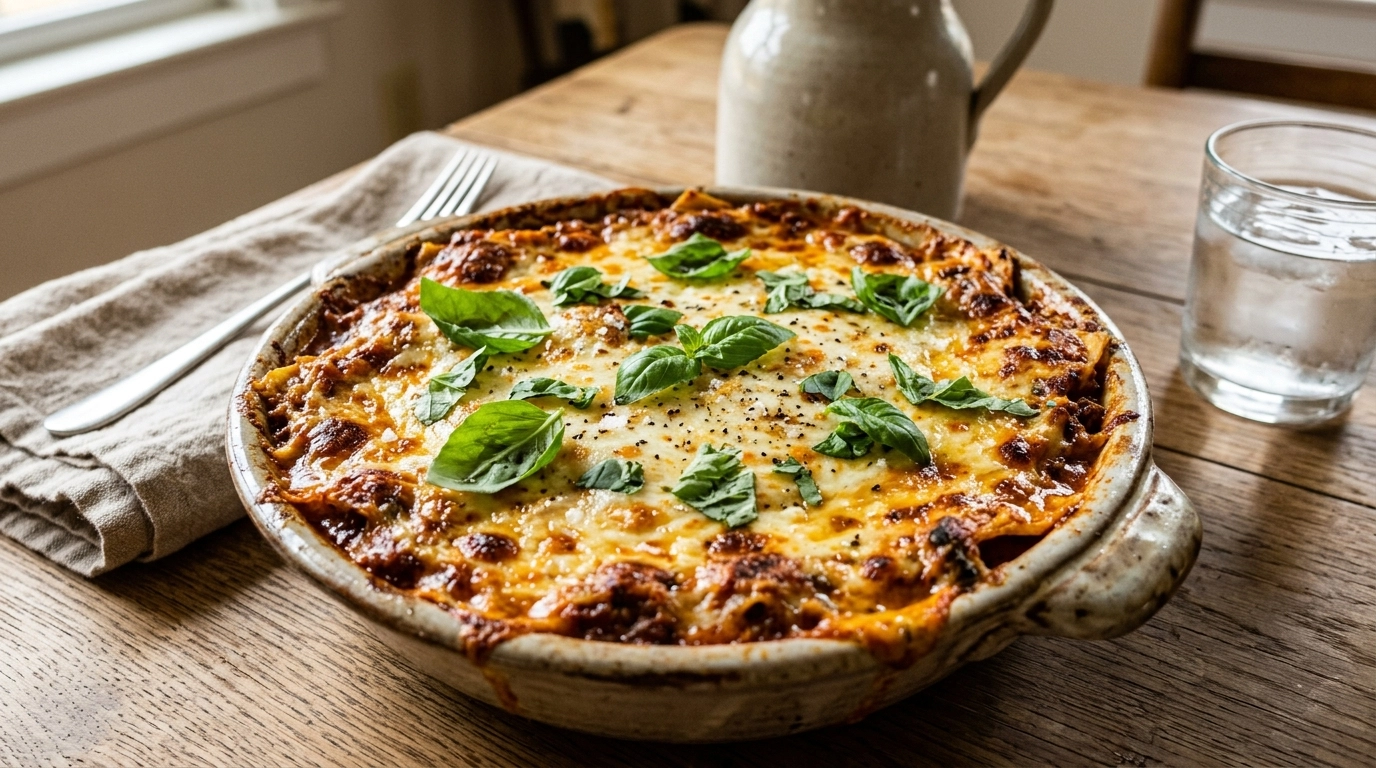
Living with Hashimoto’s doesn’t mean you have to eat bland, boring food. In fact, it’s the opposite! Our mission at The Wandering Quill is to prove that hypothyroidism diet recipes can be absolutely decadent.
Take, for instance, our Simple 4-Ingredient Coconut Macaroons. They are naturally gluten-free, anti-inflammatory, and satisfy that sweet tooth without sending your system into a tailspin. We’ve found that the more we cook at home, the more we feel in control of our health.
When you cook for yourself, you’re not just making a meal; you’re performing an act of self-love. You’re telling your body, “I value you. I’m listening to you. I’m going to give you what you need to thrive.“ That’s the heart of being a health warrior.
The Emotional Journey: More Than Just Food
I want to be vulnerable with you for a second. Going gluten-free isn’t just about the food. It’s about the social pressure, the awkward conversations at dinner parties, and the fear of being “that person” at the restaurant.
Tammy and I had to learn how to navigate this together. We had to learn to advocate for ourselves. We had to realize that our health was more important than someone else’s convenience. If you’re feeling lonely in this, please reach out to our community. We are a network of people who are all walking this same path.
We’ve found that when we focus on the victories, the morning we wake up refreshed, the hike we were able to finish, the clothes that fit better because the inflammation is down, the sacrifices don’t feel like sacrifices anymore. They feel like investments.
Thriving Despite the Circumstances

If you’re standing at the beginning of this path, looking at a mountain of “no-go” foods and feeling like you’ll never enjoy a meal again, take a deep breath. You are stronger than you think. You are a warrior, and this is just one part of your journey toward a vibrant, healthy life.
Removing gluten was the single most impactful change we made for our autoimmune health. It lowered our antibodies, cleared our heads, and gave us back our energy. Is it a “cure”? No. But is it a powerful tool? Absolutely.
We are the bridge between the struggle and the solution. We’ve done the research, we’ve burnt the gluten-free bread (more times than I’d like to admit!), and we’ve found the way forward. You can do this too.
↑ Ready to take the next step? Head over to our Whisk and Wander store to grab the gear you need to make your kitchen a gluten-free haven. Your journey starts here!
Tried & Tested
At The Wandering Quill, we don’t just write about this stuff; we live it. Every tip, rule, and recipe shared here, from the gluten free recipes to the lifestyle shifts, is used in our own kitchen. We’ve tested everything in our own lives to see what actually moves the needle for Tammy’s health and what just causes unnecessary stress. We personally test everything so we can answer your questions with honesty and heart.
Medical Disclaimer: I am not a doctor, a nutritionist, or a medical professional. I am a husband and a creator sharing our lived gluten-free experience and the research we’ve gathered along the way. While I strive for accuracy, please do your own research and consult with your medical team before making changes to your healthcare or supplement routine.
Join the Conversation
Have you tried going gluten-free with Hashimoto’s? What was your “aha!” moment? Share your thoughts, questions, and experiences in the comments below: I’d love to hear from you! We’re building a community of warriors here, and your story might be exactly what someone else needs to hear today.
For more resources on thyroid health, autoimmune nutrition, and gluten-free living, check out these links:
- Healthline: How Gluten Affects Hashimoto’s
- The Effects of a Gluten-Free Diet on Autoimmune Thyroiditis
- Celiac Disease and Autoimmune Thyroiditis Connection
Stay informed, stay empowered, and take charge of your health! 🚀
Always consult a healthcare provider or nutritionist before making major dietary changes.