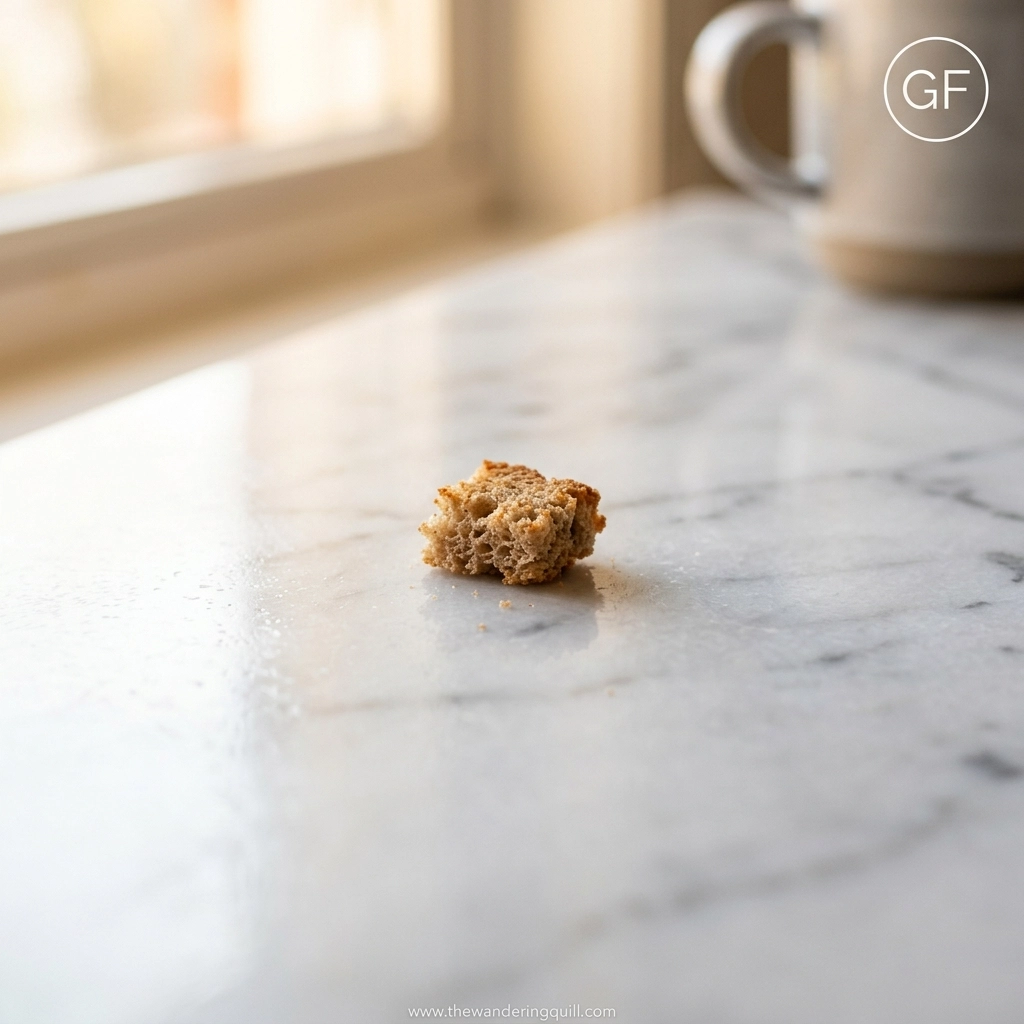
“Oh, don’t worry, it’s just a tiny crumb. It won’t hurt you, right?”
If I had a nickel for every time someone said that to us, I’d probably be writing this from a private island. But I’m not. I’m here, in our kitchen with Tammy, sitting across from the very real reality of what happens when that “innocent” crumb finds its way into her system.
Let’s be real for a second: for those of us navigating the world of celiac disease, Hashimoto’s, or severe gluten sensitivity, hearing those words is like being told a “tiny” spark in a dry forest isn’t a big deal. We know better. We’ve seen the fire. We’ve lived through the smoke.
The world often sees our lifestyle as a “choice” or a “trend.” They see us asking fifteen questions at a restaurant and think we’re being “picky.” But we aren’t being difficult; we are being warriors. We are defending a fortress that has been breached before, and we know exactly how high the cost of repair is. Today, I want to pull back the curtain on the invisible battle. We’re going to talk about what actually happens to the body and the mind when that “crumb” hits, why your boundaries are your armor, and how we can navigate the aftermath together.
The Invisible Saboteur
When most people think of a gluten reaction, they think of a stomach ache. And sure, for many, the digestive system is the first line of the struggle. But the physical toll is so much deeper than just a “grumbly tummy.” For Tammy, and for many of you reading this, a single exposure, a shared toaster, a contaminated spoon, or a “crumb” on a cutting board, triggers a cascade of internal events that feel like a full-system override.
Research shows that for those with autoimmune conditions, gluten exposure isn’t just an irritation; it’s an attack. The immune system mistakes your own tissues for the enemy. It’s called cross-reactivity. Your body sees that gluten protein and, in its frantic attempt to “protect” you, it starts firing at your own nerves, your thyroid, and your joints.
You might feel the inflammation creeping in within hours. It’s that deep, throbbing ache in your knuckles that makes typing or even holding a mug of tea a chore. It’s the sudden, heavy fatigue that feels like you’re walking through waist-deep water. This isn’t just “being tired.” This is a biological shutdown. Your body is redirecting every ounce of its energy to fighting a battle you didn’t ask for.
If you’re just starting this journey and feeling overwhelmed by how “sensitive” your body seems to be, you aren’t alone. Learning to guard your health is a steep curve, but it’s one we’ve navigated too. That’s why we put together ↑ The Wandering Quill Guides ↑. It’s a resource we built from the ground up to help you build those defenses and reclaim your energy without feeling like you’re missing out on life.

The Wall in the Mind: Brain Fog and Anxiety
This is the part that people rarely talk about at dinner parties. We can explain a stomach ache. We can explain joint pain. But how do you explain to a friend that a piece of toast made you lose your words?
The neurological impact of gluten is, in my opinion, the most heartbreaking part of the “crumb” myth. For us, brain fog is a wall. It’s that feeling where you know the word you want to say, but it’s locked behind a thick, gray curtain. You lose your keys. You forget why you walked into a room. You feel “dimmed.”
It’s not just a lack of focus. Gluten exposure can actually breach the blood-brain barrier. Inflammation doesn’t stay in the gut; it travels. And when it hits the brain, it can mess with your neurochemistry. Have you ever felt a sudden, inexplicable wave of anxiety or even depression a day after eating out? That’s not “all in your head”, well, technically it is, but it’s a physiological response.
Studies have shown that gluten can significantly drop your serotonin levels. Those “happy chemicals” are often produced in the gut, and when the gut is under fire, the brain pays the price. You might feel irritable, weepy, or just “off” for days or even weeks. It’s a heavy burden to carry, especially when the world expects you to just “bounce back” because it was “just a crumb.”
Tammy’s Journey: A Lesson in Resilience
Tammy has been my inspiration through all of this. I’ve watched her go from being “the person who didn’t want to make a scene” to a confident advocate for her own health. In the early days, she’d let things slide. She didn’t want to “be a bother” at family gatherings.
I remember one specific holiday where she was told the gravy was thickened with cornstarch. It wasn’t. Within two hours, the light in her eyes just… went out. She wasn’t herself. The next three days were spent in a dark room, dealing with migraines and a brain fog so thick she couldn’t finish a sentence.
Seeing that happen to someone you love changes you. It turned me from a supportive husband into a co-warrior. We realized that Love Is in the Details. If we didn’t protect the “small things,” the “big things”, her joy, her energy, our time together, would be stolen by a grain of wheat.
If you are struggling with the “why” behind your symptoms, or if you need a quick reference for those moments when people ask “is it really that bad?”, check out our ↑ 100 Gluten-Free Facts ↑. It’s a great way to ground yourself in the science when the emotional toll feels too high.
Boundaries Are Not Pickiness; They Are Armor
Let’s reframe how we talk about our needs. When you ask a waiter to change their gloves, or you bring your own toaster to a vacation rental, you aren’t being “high maintenance.” You are maintaining your health.
Imagine you’re a soldier in a long-term campaign. Would you leave the gate to your camp open just because you didn’t want to “inconvenience” the person walking by? Of course not. Your health is your base of operations. Without it, you can’t be the parent, the partner, or the professional you want to be.
Establishing boundaries is a practice of self-love. It sounds like:
- “I’d love to come to the potluck, but I’ll be bringing my own meal to stay safe.”
- “I can’t eat at that restaurant because their cross-contamination risks are too high for me.”
- “Actually, even a crumb makes me very sick for weeks, so I need to be extra careful.”
The people who truly love and support you will want to help you keep that gate closed. They will become your scouts, checking menus and asking the tough questions alongside you. If someone makes you feel small for protecting your health, remember that they are reacting to their own lack of understanding, not to the validity of your needs. You are a warrior, and warriors don’t apologize for their armor.
The Recovery Phase: Being Kind to Yourself
So, what happens if the worst happens? You did everything right, but a “crumb” got through. First: stop the guilt. It happens to the best of us. The stress of blaming yourself only adds more inflammation to an already taxed system.
Recovery is a process of proactive determination. We have a “post-gluten protocol” in our house:
- Hydration is Heroic: Flush the system. Water with lemon, ginger tea, or bone broth can help soothe the gut and support detoxification.
- Rest as a Weapon: Don’t try to power through the brain fog. If your body is asking for a nap, give it the win. Sleep is when the most intense cellular repair happens.
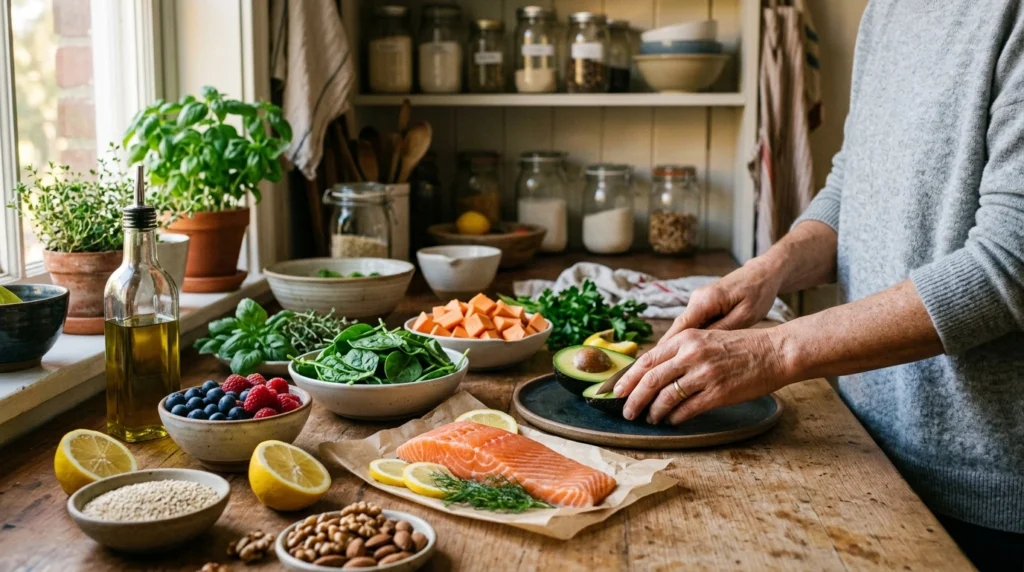
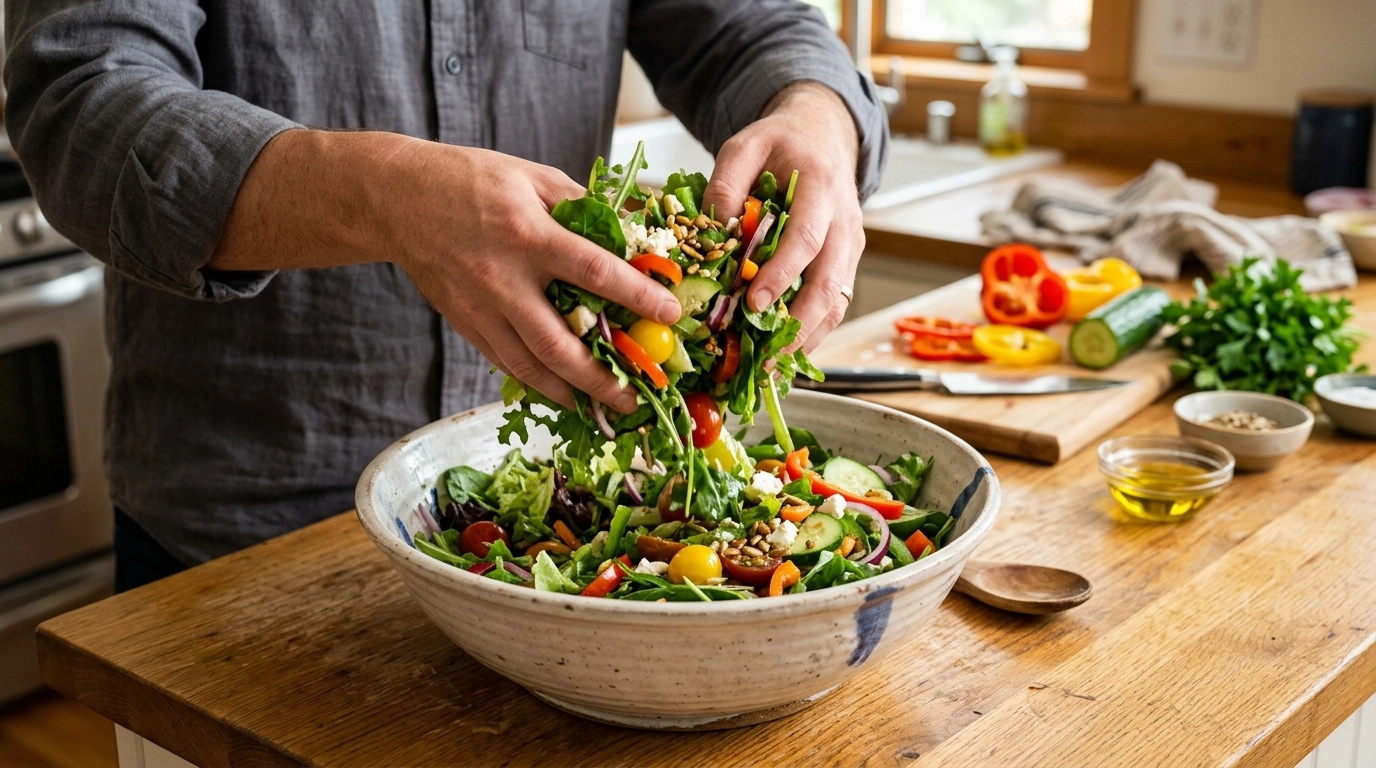
- Anti-Inflammatory Focus: Stick to the basics. Leafy greens, healthy fats, and clean proteins. Avoid processed sugars that can flare up the inflammation further.
- Gentle Movement: If you aren’t in a total flare, a slow walk in nature can help clear the mental fog and keep your lymphatic system moving.
Victory Is a Choice We Make Every Day
Living with Hashimoto’s, celiac, or hypothyroidism isn’t a life of “limitations.” It’s a life of discovery. We’ve discovered new foods, new ways of connecting, and a level of resilience we never knew we had.
When you say “no” to that crumb, you are saying “yes” to a clearer mind tomorrow. You are saying “yes” to waking up without joint pain. You are saying “yes” to your future self.
We are in this battle with you. Every recipe we share and every tip we post is a tool for your belt. You don’t have to navigate this “just a crumb” world alone. We’ve been through the heartbreak of a “glutening,” and we’ve also felt the incredible victory of feeling truly well for the first time in years.
If you’re ready to take the next step and really master this lifestyle, to go from surviving to thriving, grab your copy of our final resource: ↑ The Wandering Quill Guides ↑. It’s the ultimate roadmap for every warrior on this journey.

“The greatest wealth is health.” , Virgil
Do you have a story about a “just a crumb” moment? Or maybe a tip for how you handle the mental fog? We want to hear from you! Reach out to us through our contact form or leave a comment below. Your story might be exactly what another warrior needs to hear today.
Stay strong, stay vigilant, and remember, you’re doing great.
Martin & Tammy
Tried & Tested
Everything we share on The Wandering Quill comes straight from our own kitchen and our lived experiences. We personally test every recipe and lifestyle tip so we can answer your questions honestly and from the heart. However, please remember: while we are experts in our own gluten-free journey, we are not doctors or medical professionals.
We share what has worked for us and what we have learned through years of research and trial, but you should always consult with your own healthcare team and do your own research before making major changes to your health routine. We’re your partners in the journey, but your health is uniquely yours!