
Hello there, fellow warriors. If you’re reading this, chances are you’ve already begun the brave trek into the world of gluten-free living. Maybe it was a sudden celiac diagnosis, or perhaps, like my wife Tammy, you’ve been battling the fatigue and brain fog of Hashimoto’s for years before finding out that gluten was the silent saboteur.
I remember the day we decided to turn our kitchen into a “GF Safe Zone.” We thought we were being so careful. We cleared out the pasta, threw away the crackers, and bought every “Certified Gluten-Free” snack we could find. But Tammy was still getting “glutened.” She’d feel that familiar, crushing exhaustion and joint pain even when we were sure everything she ate was safe.
It was heartbreaking to watch her do everything right and still suffer. That’s when I realized that winning this battle isn’t just about what’s on the plate, it’s about the “ghosts” of gluten hiding in the very tools we use to cook. To truly thrive on this journey, we have to become detectives in our own homes.

Knowledge Is Power
When you have an autoimmune condition, even a microscopic crumb can feel like a direct hit. For those of us navigating Hashimoto’s or celiac, cross-contamination is the “hidden enemy” that keeps our bodies in a state of high alert. If you’re just starting out, check out these 100 gluten-free facts to help arm yourself with the basics.
Today, we’re going to walk through five of the most surprising places gluten hides in your kitchen. These are the lessons we learned the hard way so that you don’t have to.
1. The “Old Faithful” Wooden Spoons and Cutting Boards
We all have them, that favorite wooden spoon that’s stirred a thousand pots of spaghetti or the heavy cutting board that’s been in the family for years. But here’s the tough truth: wood is porous.
Every time you stir a pot of regular wheat pasta or slice a loaf of sourdough on a wooden board, microscopic particles of gluten seep into the grain of the wood. No matter how much dish soap or elbow grease you use, those particles stay trapped. When you use that same spoon to stir your gluten-free stew, the heat can actually release those trapped particles back into your meal.
The Victory: Swap out your old wooden gear for stainless steel, silicone, or brand-new wood that has never touched gluten. It’s a small change that makes a massive difference for your peace of mind.
2. The Toaster Trap
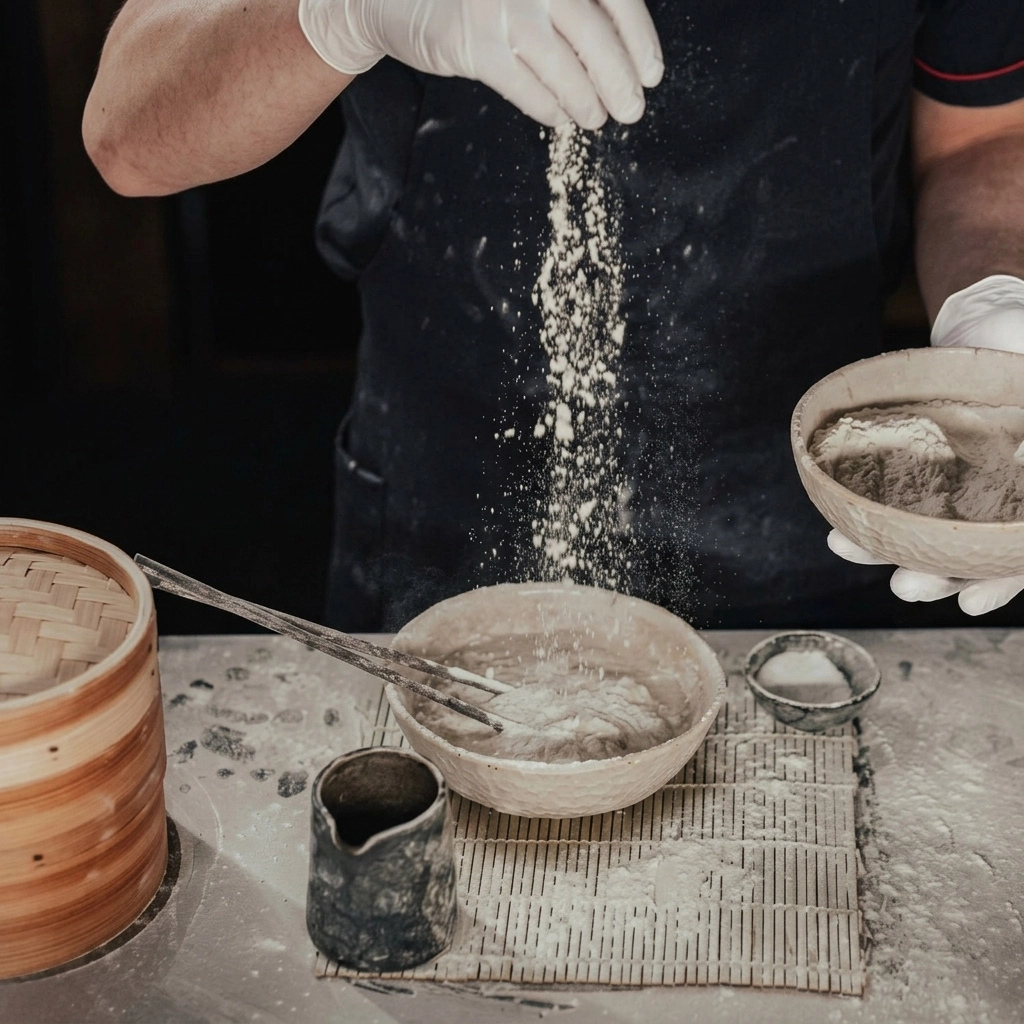
This is the one that usually catches everyone off guard. Think about the bottom of your toaster. It’s a graveyard of crumbs, right? If you share a toaster with family members who eat regular bread, your gluten-free slice is essentially taking a bath in wheat crumbs every morning.
Even if you use “Toaster Bags” (which can be a great temporary fix), the air circulation inside a toaster or toaster oven can blow flour dust and crumbs onto your safe food. When I first started supporting my wife through her Hashimoto’s journey, getting a dedicated “Tammy-only” toaster was one of our first big wins.
The Lesson: If you can, buy a separate toaster and label it clearly. If space is tight, a dedicated toaster oven tray that never touches gluten is your next best bet.
3. The Secret World of Spices and Seasoning
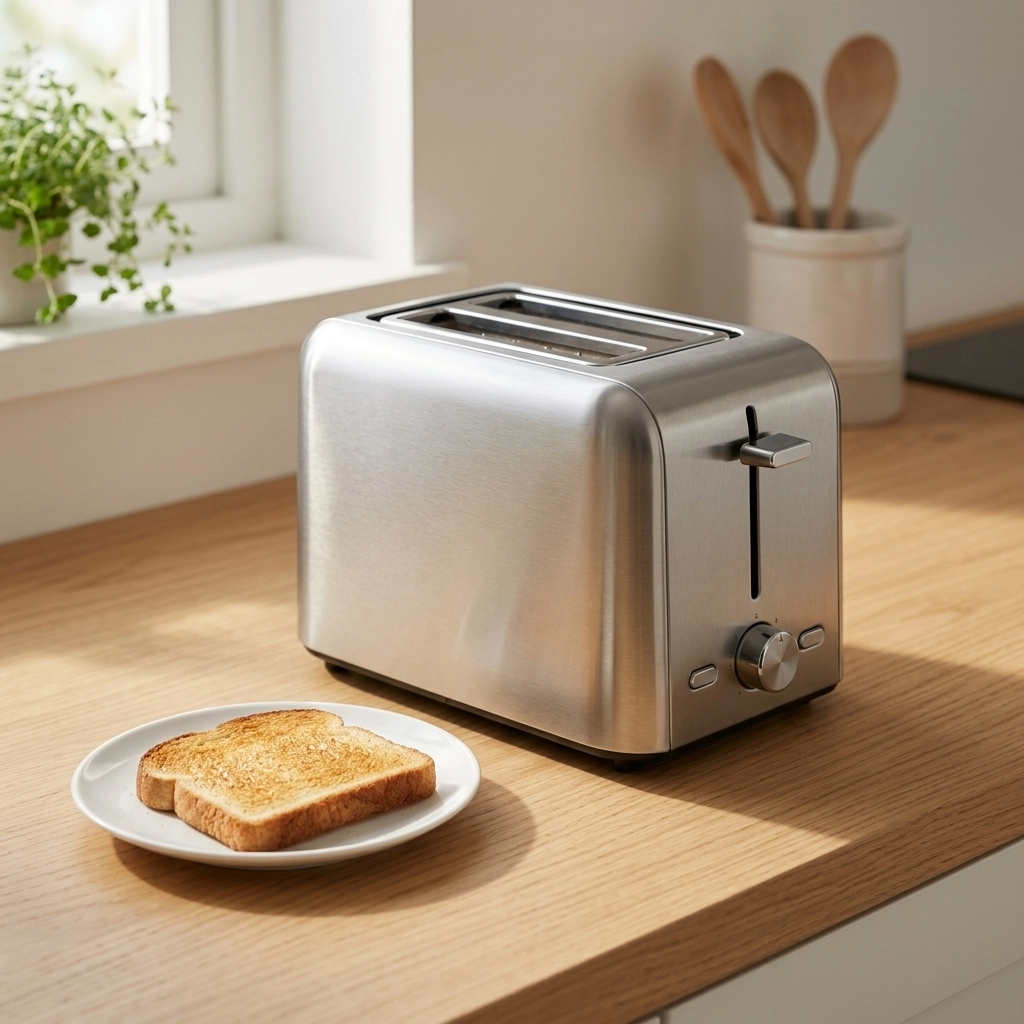
You’d think a jar of ground cumin or dried oregano would be safe, right? Unfortunately, the world of food manufacturing is a bit of a minefield. Many budget-friendly spice brands use wheat flour or wheat starch as an anti-caking agent to keep the spices from clumping together.
Furthermore, if you’re a “pinch and sprinkle” cook, cross-contamination happens in an instant. If you touch a piece of regular bread and then dip your fingers into the salt cellar or the spice jar, you’ve just introduced gluten to the entire container.
The Discovery: Always look for spices labeled “Gluten-Free.” We’ve found that buying high-quality, single-ingredient spices is not only safer but makes our food taste a hundred times better anyway!
4. Rivets, Cracks, and Cast Iron
Take a look at your favorite frying pan. See those silver “dots” (rivets) where the handle attaches to the pan? Those tiny crevices are gluten magnets. Dried pasta water or thickened sauces love to hide in the rim of those rivets.
The same goes for cast iron. While we love the sear of a good cast iron skillet, the “seasoning” on the pan is essentially a layer of polymerized fat that can trap food particles. If you’ve been cooking flour-dusted chicken in that pan for years, it’s nearly impossible to get it truly celiac-safe.
The Strategy: If you’re making the switch, consider treating yourself to a new set of stainless steel pans with flush interiors (no rivets) or keep one skillet strictly reserved for gluten-free cooking.
5. The Condiment Sabotage (Soy Sauce and Beyond)
This was the biggest shock for us. Did you know that traditional soy sauce is made with wheat? It seems so counterintuitive, but wheat is often the primary ingredient. This applies to teriyaki sauce, many salad dressings, and even some brands of mustard or bouillon cubes.
The “Double Dip” is also a major culprit. If someone uses a knife to spread butter on wheat toast and then dips that same knife back into the butter tub or the jam jar… well, you know the drill. That jar is no longer safe for our warriors.
The Victory: We now have “Squeeze Bottle” condiments in our house! It eliminates the need for knives and keeps the contents safe from crumbs. Also, keep a bottle of Tamari (gluten-free soy sauce) in your pantry at all times, it’s a total lifesaver.
Love Is in the Details
I know this can feel overwhelming. When you first start looking at your kitchen, it feels like the enemy is everywhere. But I want you to remember: every change you make is an act of self-love (or love for your family). By clearing out these hidden sources of gluten, you are literally clearing the path for your body to heal.
You aren’t just “giving things up”, you are making room for energy, for clarity, and for a life where food is your medicine, not your trigger. We are in this together, and every small victory in the kitchen is a giant leap for your health.
If you’re looking for a complete roadmap to navigate these tricky waters, I highly recommend checking out our full collection of resources and guides. We’ve put everything we know into these to make your journey just a little bit easier.
Stay strong, keep cooking, and remember: you’ve got this!
Tried & Tested
Everything we share at The Wandering Quill comes straight from our own kitchen. We’ve scrubbed the rivets, tossed the old spoons, and tested these tips ourselves so we can tell you exactly how they work in real life. If you have a question about a specific tool or a “sneaky” ingredient, just ask! lairdmartin1@gmail.com, or send a message through our Contact Page
Disclaimer: We are sharing our lived gluten-free experience and what we’ve learned through years of managing autoimmune health. However, we are not doctors or medical professionals. Please always do your own research and consult with your healthcare provider regarding your specific medical needs.
Stay strong, Stay healthy.
: Martin & Tammy