
Deciding to go gluten-free is rarely just about a “dietary trend.” For most of us in this community, it’s a battle cry—that first brave step into gluten free for beginners territory where we decide the bloating, brain fog, and bone-deep fatigue are no longer the bosses of our lives. So, welcome. Seriously. Grab a comfy chair, a giant water bottle, and the snack you already checked the label on twice—you’re with your people now.
Whether you’re walking the path of Celiac awareness, exploring a more supportive Hashimoto’s diet, hunting for hypothyroidism diet recipes, or just trying to feel like yourself again, removing gluten can be a monumental first step toward reclaiming your spark.
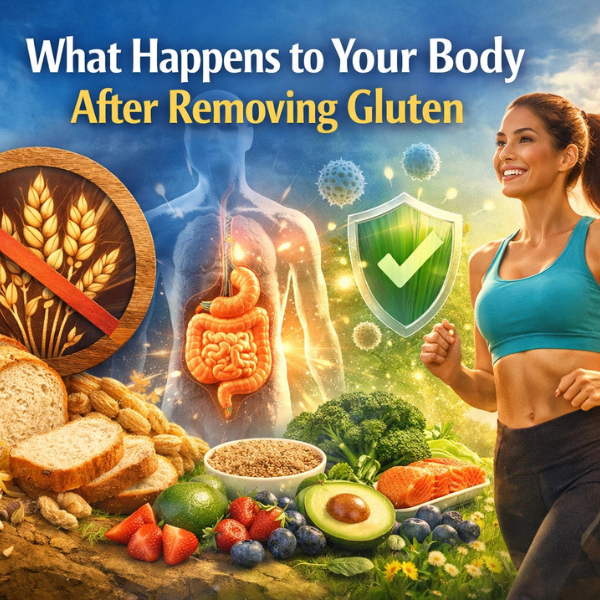
But what actually happens once you put down the traditional loaf and pick up a new way of living? The journey isn’t always a straight line to feeling perfect. It’s a biological renovation. As we strip away the protein that’s been causing internal chaos, our bodies go through a series of phases—some challenging, some miraculous, but all of them part of the win.
The First 72 Hours: The Great Recalibration
The first few days are often a whirlwind of emotions and physical adjustments. You might expect to feel like a superhero immediately, but for many warriors, the body takes a moment to realize the “attack” has stopped.
Research suggests that some individuals experience what is colloquially known as the “gluten flu.” In the first few weeks, you might encounter nausea, dizziness, or even headaches. While there isn’t a confirmed physiological “withdrawal” in the same way as some substances, your body is undeniably reacting to a major shift in its fuel source. If you’ve spent years in a state of high inflammation, the sudden drop in those triggers can leave you feeling a bit “off.”

Knowledge Is Power: Navigating the Digestive Shift
As you move past the first week, your digestive system: the “front line” of the gluten battle: begins its restorative work. For those with Celiac disease or severe gluten sensitivity, gluten causes the villi (the tiny, finger-like projections in your small intestine) to flatten and become damaged. This damage prevents you from absorbing nutrients, no matter how healthy your meals are.
When gluten is removed:
- Inflammation subsides: The constant “red alert” in your gut starts to quiet down.
- Villi begin to regrow: This is the most crucial part of the healing process. As these tiny structures recover, your body finally gains the ability to absorb iron, B vitamins, and calcium again.
- Bloating dissipates: That “six-months pregnant” feeling after a meal? It starts to vanish. You’ll likely notice your clothes fitting differently, not necessarily because of weight loss, but because the internal swelling is finally going down.
If you are managing conditions like Hashimoto’s, this gut-healing phase is vital. A supportive Hashimoto’s diet isn’t about being perfect—it’s about lowering the noise (hello, inflammation) so your body can do its thing. We’ve talked before about supporting a partner through Hashimoto’s, and a huge part of that is understanding that the gut and the thyroid are deeply connected. A healthier gut often leads to a more stable immune system—and that’s a win we’ll take every single time.
The Three-Week Mark: Energy and Mental Clarity
By the time you hit the twenty-one-day mark, the “fog” usually begins to lift. This is often described as a “coming home” to yourself.
For many, the most profound change isn’t in their stomach, but in their mind. Brain fog: that feeling of being disconnected or moving through sludge: is a common symptom of gluten-induced inflammation. As the systemic inflammation markers drop, your cognitive function sharpens. You might find you don’t need that third cup of coffee to get through the afternoon, and your mood may feel more stable and resilient.

Love Is in the Details: Watching Out for the Pitfalls
While the benefits are immense, we have to be honest with each other: the transition has its traps. (And the traps are usually beige, crunchy, and marketed as “just like the real thing!”) When we remove gluten, we often inadvertently remove a huge source of fiber and fortified nutrients.
Many store-bought gluten-free replacements are high in sugar, cornstarch, and rice flour but low in the fiber your body needs to keep things moving. This can lead to temporary constipation or even a “sugar crash” cycle. This is where we must become strategic chefs. Instead of just reaching for the “GF” version of a cookie, we start building meals around real, satisfying foods—including anti inflammatory diet recipes that lean on veggies, proteins, healthy fats, and flavor that doesn’t come from a lab.
And yes, this overlaps beautifully with what a lot of folks are searching for when they ask for hypothyroidism diet recipes—steady energy, fewer crashes, and meals that don’t leave you feeling like you need a nap and a pep talk.
🛡️ STOP THE HIDE-AND-SEEK. Tired of wondering if that “natural flavor” is out to get you? Grab my Hidden Gluten Cheat Sheet and start spotting the traps before they spot you.
Victory in the Kitchen: Relearning the Craft
Living gluten-free doesn’t mean living without joy. It means discovering new textures and flavors. Whether you are experimenting with baking or finding new ways to enjoy comfort food, the process of preparing your own food is an act of self-love.
🥗 RECLAIM YOUR ENERGY. Don’t just survive—thrive. My Autoimmune Meal Planner takes the guesswork out of breakfast, lunch, and dinner so you can focus on feeling good.

When you take control of the ingredients, you ensure that your body is getting the iron, folate, and fiber it missed out on during the “gluten years.” Transitioning to a diet rich in leafy greens, lean proteins, and ancient grains like quinoa or buckwheat is how we turn a “restriction” into a discovery.
The Six-Month Milestone: Deep Systemic Healing
After six months of strict adherence, the changes become foundational. This is no longer a “test”; it is your lifestyle. At this stage, many people report:
- Reduced Joint Pain: Chronic inflammation often settles in the joints. Removing the gluten trigger can lead to significantly less morning stiffness.
- Improved Skin Health: Issues like dermatitis herpetiformis or general “autoimmune skin” often clear up as the gut heals.
- Weight Stabilization: Once the body isn’t in “emergency mode,” metabolic health tends to normalize.
- Higher Bone Density: Because you are finally absorbing Vitamin D and Calcium, your skeletal system grows stronger.
We Are In This Together
The path to wellness isn’t a solo mission. It’s a journey we take as a community. Every time you choose a gluten-free meal, you are casting a vote for your future self. You are telling your body, “I hear you, I value you, and I am fighting for you.”

If you’re just starting out, don’t be discouraged by a few “off” days in the beginning. Your body is doing hard work. It is clearing out years of irritation and rebuilding itself from the inside out. Be patient with your progress, be kind to your cravings, and remember that every small victory: every meal that leaves you feeling energized instead of exhausted: is a reason to celebrate.
Gluten-Free Lifestyle Tips for Beginners (aka: the stuff I wish someone told us sooner):
- Hydrate like it’s your new side hustle: The first couple weeks can feel “off.” Water helps smooth out the transition.
- Don’t fear fiber—make it your best friend: Beans, lentils, chia, berries, and cruciferous veggies keep digestion on track (and keep the GF replacement aisle from running your life).
- Build your plate around real food first: Then add the GF swaps. This one simple move makes gluten free for beginners feel way less overwhelming.
- Keep a “safe list” on your phone: A few go-to brands + snacks = fewer hangry moments and fewer label-reading marathons in aisle 7.
- Batch-cook like a warrior: One sheet pan dinner, one pot of soup, one protein you can remix. This is how anti inflammatory diet recipes become your normal Tuesday.
- Listen to your body (no, really): If you’re tired, rest. Your villi are literally growing back; that takes energy.
- Explore the community: When you need more recipes, meal-planning ideas, and gluten free lifestyle tips, check out our Blog Space for more inspiration and stories from fellow warriors.
You’ve got this, and we’ve got you. The road might be long, but the destination: a life where you feel vibrant, clear-headed, and strong: is worth every single step.

Keep wandering, keep learning, and keep nourishing that beautiful body of yours. Your best days are just beginning. ↑ Back to top
: Martin & Tammy