When Tammy and I first embarked on this gluten-free journey following her Hashimoto’s diagnosis, our kitchen felt less like a sanctuary and more like a minefield. I remember standing in the middle of our tile floor, looking at the toaster, the wooden spoons, and the flour-dusted countertops, feeling a wave of absolute overwhelm.
It wasn’t just about changing the food; it was about changing the very environment where that food was prepared.
For many of us: the warriors fighting autoimmune battles or the partners standing beside them: the kitchen is where the most important victories are won. But to win those battles, you need the right gear. Knowledge Is Power, but the right tools are the practical application of that power.
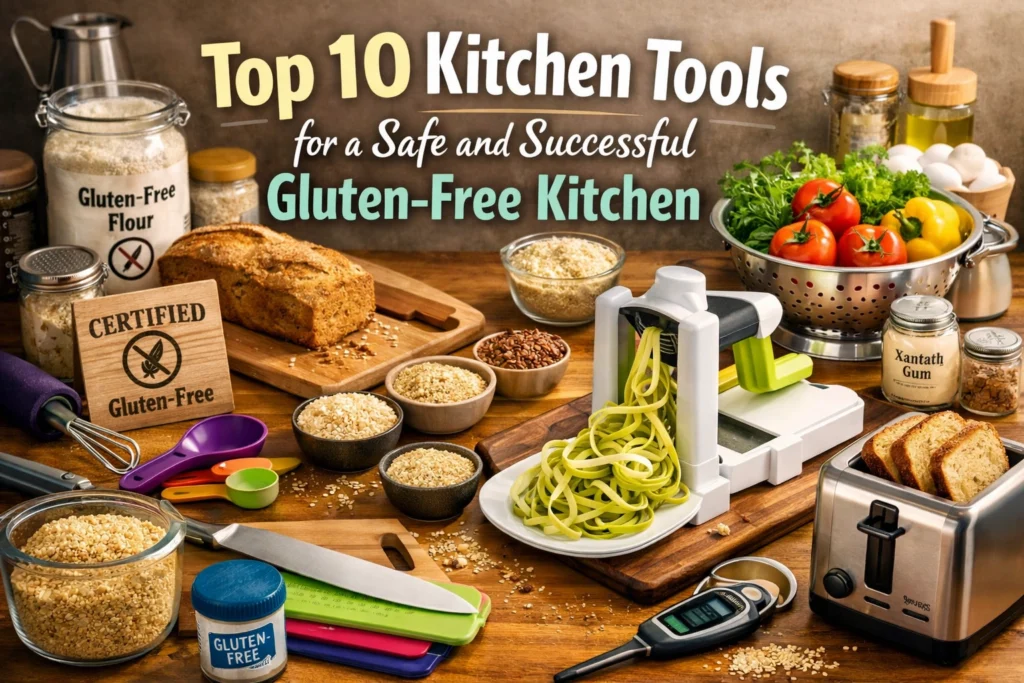
If you are just starting out, or if you’ve been at this for a while and still feel like “accidental glutenings” are happening, this guide is for you. We’re going to dive into the ten essential tools that transformed our home from a source of stress into a safe haven of health.
The Invisible Enemy: Understanding Cross-Contamination
Before we get to the list, we have to talk about the “why.” In a mixed-diet household, cross-contamination is the silent saboteur. It’s the microscopic crumb in the butter, the residue in the toaster, or the gluten protein trapped in the pores of a wooden cutting board. For someone with Celiac disease or high sensitivity due to Hashimoto’s, these tiny exposures can trigger a cascade of inflammation that lasts for weeks.
We quickly learned that Love Is in the Details. Protecting your health (or your partner’s health) means creating a physical barrier between “their” food and the gluten-filled world.
↑ Read more about our personal journey and how we navigated these early days here.

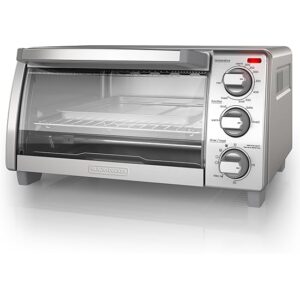
1. The Dedicated Gluten-Free Toaster
This is the absolute #1 rule in a gluten-free kitchen. You cannot share a toaster. Period. Toasters are essentially crumb-collectors. Every time a piece of standard wheat bread pops up, it leaves behind a graveyard of gluten-filled debris.
Pro-Tip: Don’t just buy a second toaster; buy one that looks different. Our “gluten-full” toaster is silver, and the “Tammy-safe” toaster is a bright, vibrant red. This visual cue prevents late-night mistakes when you’re tired and just want a piece of toast. If you’re traveling or have a very tiny kitchen, look into Toaster Bags. They are reusable sleeves that create a physical barrier between the toaster heating elements and your bread.
2. Color-Coded Non-Porous Cutting Boards
Wood is beautiful, but it is also porous. Those tiny knife grooves in your favorite wooden board? They are the perfect hiding spots for gluten. Once gluten gets in there, no amount of scrubbing can reliably get it out.
The Strategy: Switch to high-quality plastic or glass cutting boards. Better yet, use a color-coded system. In our house, Green = Gluten-Free. Everyone knows that if they are chopping veggies or slicing GF bread, they grab the green board. It eliminates the guesswork and keeps the “warrior” safe.
3. A Dedicated Sifter (The “Do Not Share” Item)
If you’ve decided to dive into gluten-free baking (and I hope you do!), you’ll likely need a sifter to get those heavy GF flours to behave. However, a sifter is impossible to clean thoroughly. The mesh screens trap fine flour particles that a dishwasher simply cannot reach.
The Victory: Buy a dedicated sifter for your GF flours and store it in a sealed gallon-sized bag when not in use. This prevents “ambient” flour dust from settling on it in the pantry.
4. Separate Colanders and Strainers
Much like the sifter, a colander is a nightmare for cross-contamination. If you’ve ever drained wheat pasta, you know how those little starches stick to the holes. Using that same colander for gluten-free pasta is a recipe for disaster.
Pro-Tip: We use stainless steel for almost everything else, but for the colander, we went with a distinct silicone version for Tammy’s pasta. It’s easy to clean, heat-resistant, and: most importantly: it looks nothing like our other kitchen tools.
5. The Digital Kitchen Scale: The Secret to Baking Success
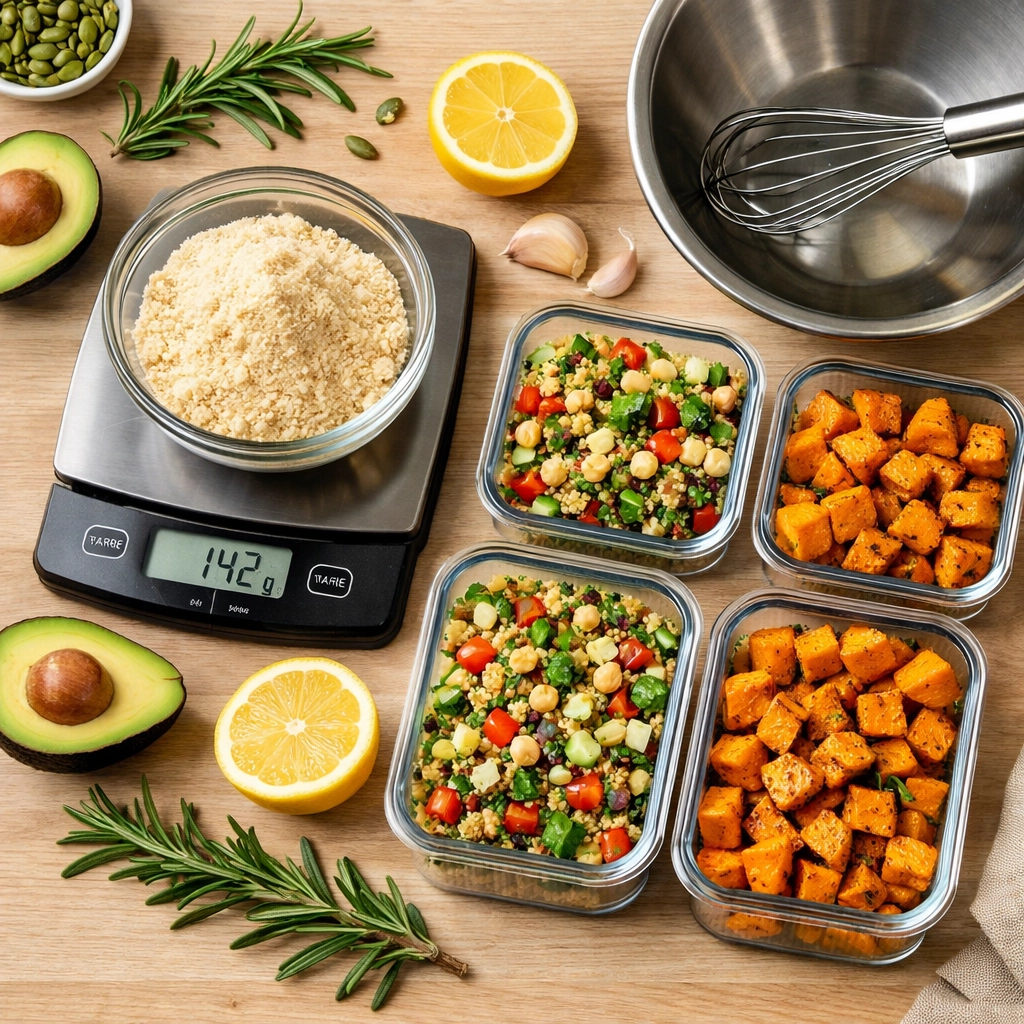
Gluten-free baking is a science, not an art. If you’ve ever tried to substitute GF flour 1:1 using measuring cups and ended up with a brick, you know what I’m talking about. Because gluten-free flours (rice, potato, tapioca, almond) have vastly different densities, a “cup” can vary in weight by up to 20%.
The Discovery: A digital scale changed everything for us. Instead of measuring by volume, we measure by grams. This ensures that every loaf of bread and every batch of muffins comes out exactly the same every time. It’s the difference between a “tolerable” treat and a “is this actually gluten-free?!” victory.
↑ Check out our Amazon Shop for the specific scale and tools we use every day.
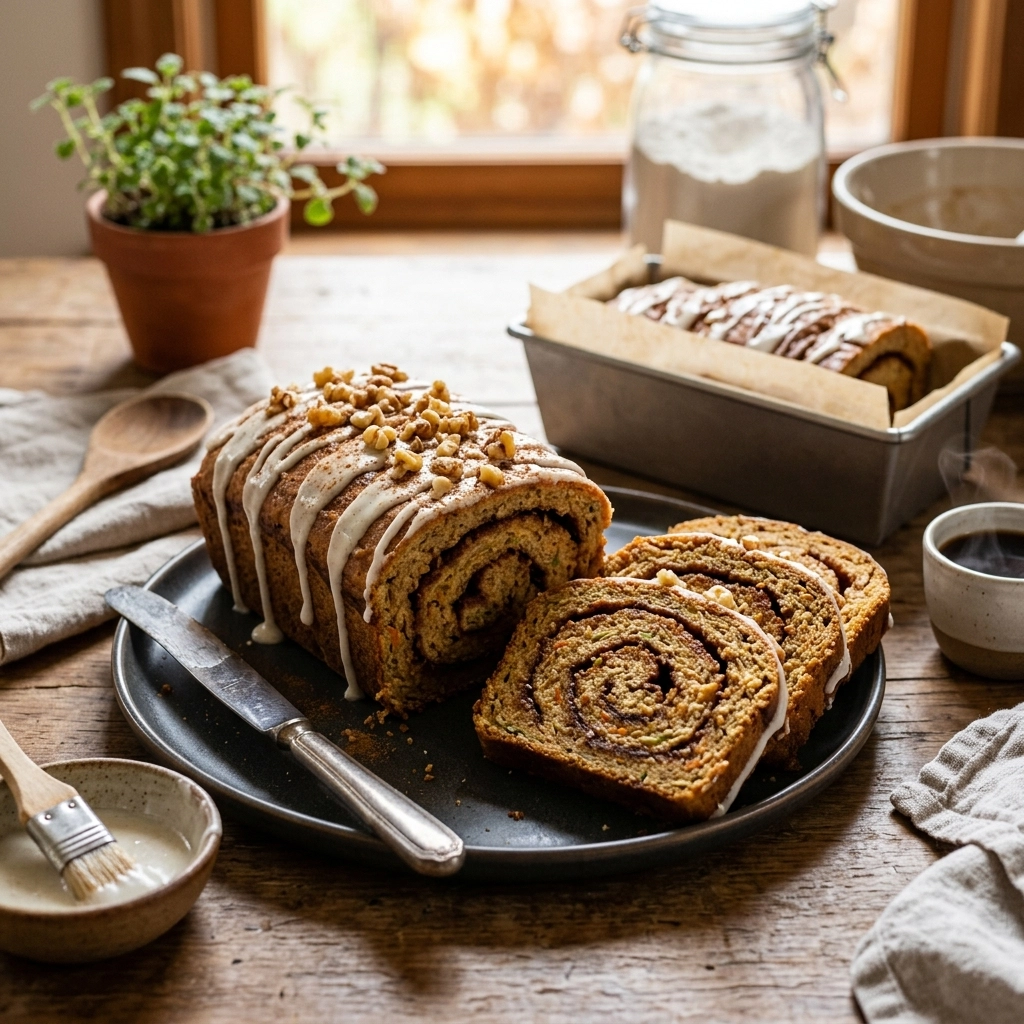
6. A High-Quality Bread Machine (with a GF Setting)
Let’s be honest: store-bought gluten-free bread is expensive, often full of preservatives, and sometimes tastes like cardboard. Investing in a bread machine with a dedicated “Gluten-Free” setting was a game-changer for our budget and our taste buds.
Pro-Tip: Modern bread machines have a specific cycle for GF bread because it only needs one rise (unlike wheat bread which needs two). Having a dedicated machine ensures that your loaf isn’t being contaminated by the flour dust of a previous wheat loaf. There is nothing quite like the smell of fresh, warm bread filling the house on a Saturday morning.
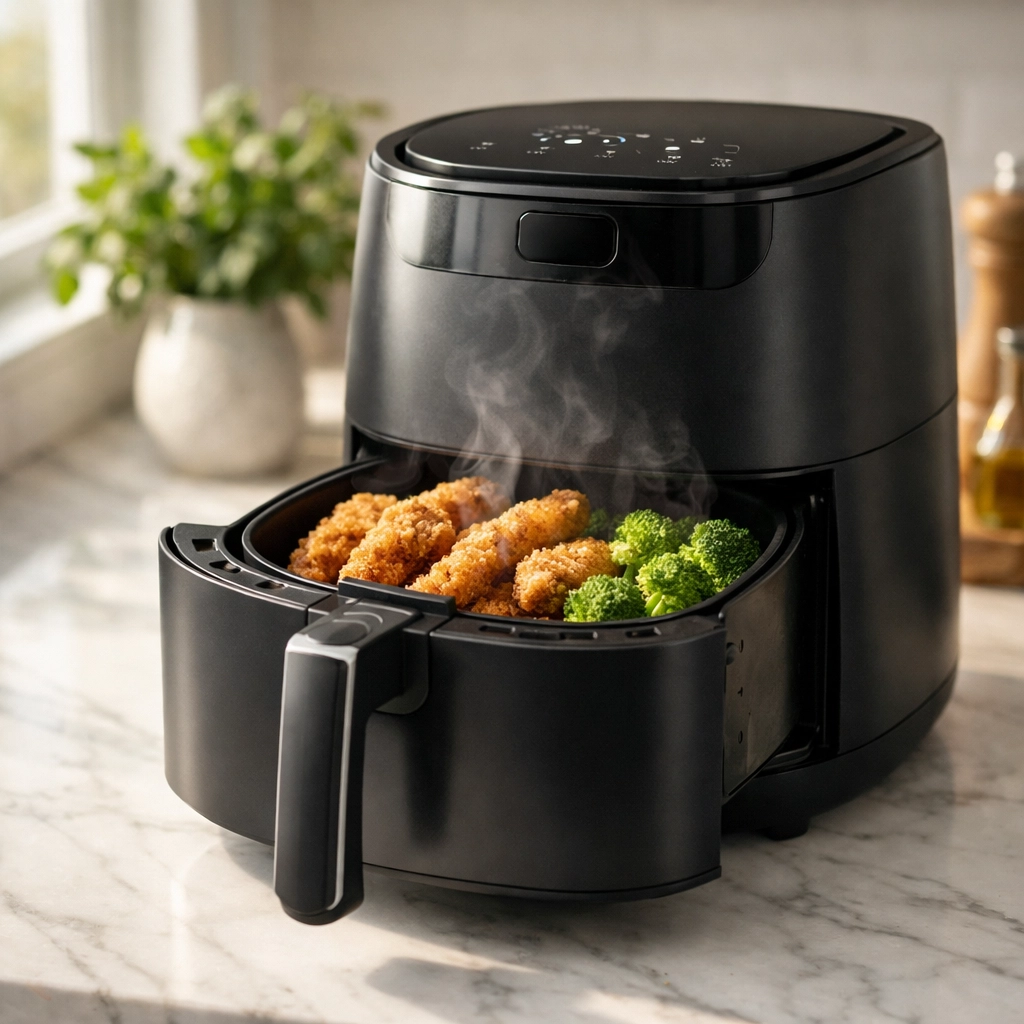
7. The Air Fryer: The Busy Warrior’s Best Friend
When you’re managing an autoimmune condition like Hashimoto’s, fatigue is a real factor. There are days when the idea of “cooking” feels like climbing Everest. This is where the air fryer shines.
The Lifestyle Hack: You can cook a frozen salmon fillet, roast some broccoli, or crisp up some gluten-free chicken tenders in minutes. It’s faster than an oven and requires much less cleanup. Just be careful: if you share an air fryer, you must use parchment paper liners or a dedicated basket to avoid the fan blowing old gluten particles onto your fresh food.
8. Stainless Steel or Glass Mixing Bowls
We moved away from plastic mixing bowls entirely. Over time, plastic develops scratches and “pitting” that can harbor gluten proteins and bacteria. Stainless steel and glass are non-porous, incredibly durable, and can be sanitized at high temperatures in the dishwasher.
The Benefit: They don’t retain odors or stains, which is essential when you’re working with the various oils and alternative ingredients common in a gluten-free, dairy-free kitchen.
9. A Powerful Food Processor
From making your own cauliflower rice to blending homemade nut butters or whipping up a quick batch of hummus, a food processor is the workhorse of the health-conscious kitchen.
Pro-Tip: We use ours to make “bread crumbs” out of the ends of our gluten-free loaves. Never waste a crumb! It’s also vital for making pie crusts and doughs where you need to “cut in” cold fats without overworking the mixture.
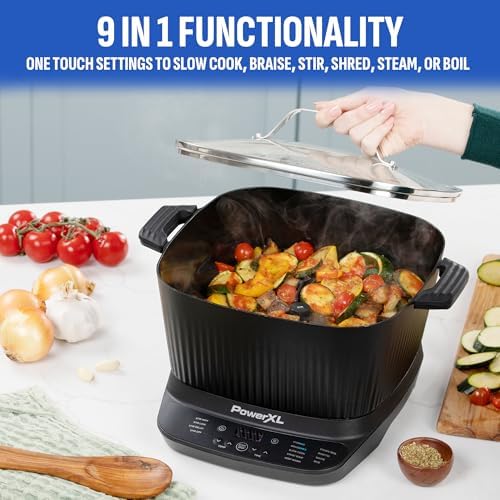
10. The Instant Pot or Slow Cooker
Batch cooking is the ultimate survival strategy for a gluten-free lifestyle. If you have a safe, delicious meal ready in the freezer, you’re much less likely to “cheat” or take risks at a restaurant when you’re hungry and tired.
The Strategy: Use your Instant Pot to make massive batches of bone broth, beans, or shredded chicken. Having these “base” ingredients ready to go makes mid-week cooking a breeze.
↑ For more advice on supporting a spouse through health changes, check out my perspective here.
Making the Transition: A Step-by-Step Approach
I know this list might seem like a lot. You don’t have to go out and buy all ten items today. If I were to prioritize, I would start with the Toaster, the Cutting Boards, and the Mixing Bowls. These are the “Safety Trio” that will have the biggest immediate impact on your health.
Once you have the safety foundations in place, then you can move into the “Success Tools” like the scale and the bread machine. Remember, this is a journey, not a race. Every tool you add is a “victory” for your health and a commitment to your long-term well-being.
Love Is in the Details, and sometimes those details look like a bright red toaster or a dedicated green cutting board. By creating a kitchen that supports your choices rather than fighting them, you are removing the friction from your daily life. You are making it easier to stay healthy, and that is the greatest gift you can give yourself or your loved ones.
Final Thoughts for My Fellow Warriors
Living gluten-free is not about what you are “giving up.” It is about what you are gaining: clarity, energy, and a body that isn’t constantly in a state of war with itself. Your kitchen is the heart of your home, and with these tools, it will become the engine of your recovery.
Keep fighting, keep cooking, and remember: you aren’t just surviving; you are learning to thrive in a brand-new way.
↑ Need more resources? Check out our full library of guides and tools for the gluten-free life.
Tried & Tested
We want you to know that we aren’t just talking the talk. Every single tool mentioned above sits on our countertops or in our cabinets right now. We use these exact methods to keep Tammy safe and healthy while still enjoying a diverse, delicious menu. We personally test every recipe and gadget we recommend so we can answer your questions with total honesty.
Medical Disclaimer: The information shared here at The Wandering Quill is based on our lived experience and personal research into gluten-free living and Hashimoto’s health. We are not doctors, nutritionists, or medical professionals. The content of this blog is for informational and educational purposes only and is not intended as medical advice. Always consult with your healthcare provider before making significant changes to your diet or lifestyle, especially when managing an autoimmune condition.
Share your stories & Stay Strong – Contact Us