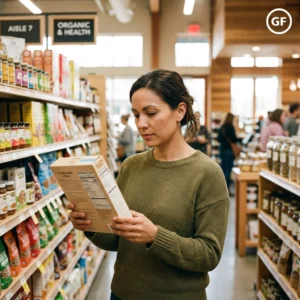
I’ll never forget the first time Tammy and I went grocery shopping after her diagnosis. We stood in the “Specialty Health” aisle of our local store, staring at a loaf of bread that looked about half the size of a standard loaf and cost exactly three times as much. I looked at the price tag, $7.99, then back at Tammy. We both had that deer-in-the-headlights look.
At that moment, the weight of a gluten-free lifestyle didn’t just feel like a health challenge; it felt like a financial crisis.
If you’ve felt that “sticker shock” at the checkout counter, believe me, you are not alone. We’ve been there, clutching a receipt that looks like a car payment just to get through the week. But over the years, we’ve learned a secret that the big “gluten-free” brands don’t want you to know: Living gluten-free doesn’t have to break the bank.
In fact, some of the most effective gluten free lifestyle tips have nothing to do with buying fancy packages with “GF” stamped on them. It’s about returning to basics, getting strategic, and reclaiming your kitchen.
The Specialty Food Trap: Why We Stopped Buying “Replacements”
The biggest mistake we made early on, and the one that drained our savings, was trying to replace every “gluten-full” item with its gluten-free twin. Gluten-free crackers, gluten-free cookies, gluten-free frozen pizzas… the list went on.
The problem? Most of these “replacements” are highly processed, often less nutritious, and astronomically expensive.
The Real Scenario: The $8 Crumbly Bread Disaster
We once bought a high-end loaf of gluten-free bread for a special weekend breakfast. I pulled it out of the bag, and before I could even get it into the toaster, it crumbled into a pile of dry, flavorless dust. Eight dollars, literally down the drain.
How to fix it: Instead of mourning the bread, we pivoted. We realized that if we stopped trying to “fake it” with expensive processed bread, we could eat better for less.
- The Switch: We started using large Romaine lettuce leaves or collard greens for wraps.
- The Win: It’s cheaper, naturally gluten-free, and adds a fresh crunch that bread never could.
If you’re struggling with the cost, it’s time to step out of the specialty aisle and back into the perimeter of the store.
Our “Safe & Cheap” Foundation: The 5-Item Grocery List
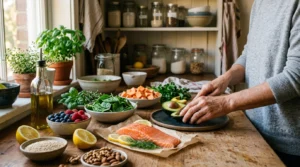
When things get tight or we need to reset our budget, Tammy and I stick to what we call the “Core Five.” These are the pillars of cheap gluten free meals. They are naturally safe, incredibly versatile, and usually cost less than a single box of GF cereal.
- Rice: Buy it in the big 10lb or 20lb bags. It’s the ultimate base for stir-frys, power bowls, and side dishes.
- Potatoes: Whether they’re sweet, russet, or red, potatoes are filling, nutrient-dense, and naturally gluten-free.
- Eggs: The perfect “emergency” protein. Fried, scrambled, or boiled, they’re a budget warrior’s best friend.
- Beans (Dried or Canned): Black beans, chickpeas, and lentils provide fiber and protein for pennies per serving.
- Frozen Vegetables: Don’t sleep on the freezer section! Frozen veggies are picked at peak ripeness, last forever, and are often cheaper than fresh produce that might go bad in three days.
By focusing on these whole foods, we’ve managed to cut our grocery bill by nearly 40%. It takes the guesswork out of “Is this safe?” because these items don’t have hidden fillers.
How We Shop: Strategies for the Mixed-Diet Household
As many of you know, our house is a “mixed kitchen.” I don’t always eat 100% gluten-free, but Tammy has to. This adds another layer of complexity to the budget. We can’t afford to buy two versions of everything.
The Wandering Quill Shopping Strategy:
- Bulk Grains are King: We buy our rice and quinoa in bulk from warehouse stores. This ensures we always have a safe base for Tammy’s meals without paying “boutique” prices.
- The “Whole-Family” Meal: We stopped making “Tammy’s meal” and “Martin’s meal.” Now, 90% of our dinners are naturally gluten-free for both of us, think roasted chicken with potatoes, or a big chili with beans. It saves money on ingredients and, more importantly, it saves my sanity in the kitchen.
- Frozen Over Fresh (Sometimes): We love a farmer’s market, but for everyday cooking, frozen berries and greens are a lifesaver. You don’t have to worry about them wilting, which means zero wasted money.
↑ Need a hand organizing your kitchen and your wallet? Check out our Master Your Meal Planner on SamCart. It’s the exact system we use to stay fed and stress-free for just $9.
Real-Life Tactics: Scripts and Checklists
Sometimes the hardest part of budget living isn’t the food, it’s the social pressure or the feeling of being overwhelmed at the store. Here are two tools to help you navigate the “real world” without overspending.
The “Smart Shopper” Checklist
- Shop the Perimeter: Stay away from the middle aisles where the expensive GF snacks live.
- Check the “Ethnic” Aisle: Often, corn tortillas or rice noodles are much cheaper in the international section than in the “Gluten-Free” section.
- Unit Price is Your Friend: Always look at the price per ounce, not just the total price.
- Generic is Often Great: Many store brands (like Kroger’s Simple Truth or Aldi’s LiveGfree) are significantly cheaper than name-brand GF items.
The “No, Thank You” Script (For the Office or Social Gatherings)
When someone offers you an expensive, gluten-filled treat or suggests a pricey restaurant that “might” have one GF option:
“That looks amazing, but I’m actually sticking to a specific meal plan right now to keep my energy up. I’ve brought a snack, but I’d love to just hang out and chat!”
Why it works: It shifts the focus from your “restriction” to your “choice” and “health goals,” saving you from the “mercy buy” of a $15 subpar GF salad at a restaurant.

When You Want to Splurge: DIY Over Store-Bought
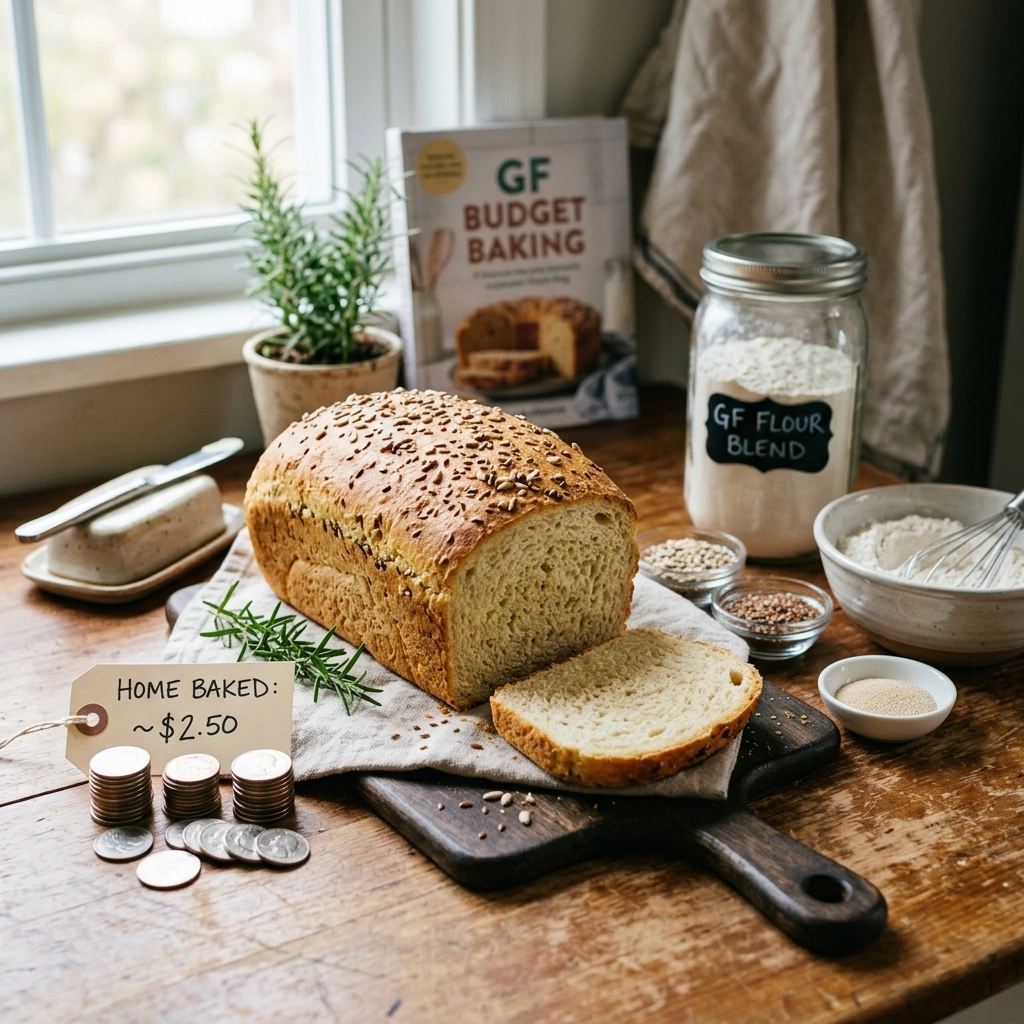
Look, we get it. Sometimes you just want a piece of bread or a treat. Instead of dropping $8 on that crumbly loaf, consider making a simple “focaccia” or flatbread using gluten-free flour blends you bought in bulk.
When you make it yourself, you control the ingredients, the safety, and the cost. Plus, there is something incredibly healing about working with your hands in the kitchen. It turns a “dietary restriction” into a “culinary discovery.”
You Are Not Alone in This Battle
Living with Hashimoto’s, Celiac, or any autoimmune condition is a journey of a thousand small victories. Some days, that victory is just finding a bag of rice on sale. Other days, it’s successfully navigating a family dinner without a “slip-up.”
We know the frustration of feeling like your health is a luxury you can barely afford. But I want you to hear this: Your worth is not measured by the price of your groceries. You are a warrior, and you are doing the hard work of taking your life back.
Tammy and I are right there with you, testing recipes, scanning labels, and finding joy in the simple, affordable moments. We’ve found that when you stop focusing on what you can’t have and start looking at the abundance of what you can (like those beautiful, humble potatoes), the stress starts to melt away.
Tried & Tested
At The Wandering Quill, we don’t just write about this life: we live it. Every tip, grocery list, and strategy mentioned here is used in our own kitchen daily. We’ve personally tested these budget hacks to ensure they don’t just save money, but also keep Tammy safe and feeling her best. We’re here to answer your questions honestly because we’re in the same trenches as you.
Medical Disclaimer: The information shared on The Wandering Quill is based on our personal lived experience and research as a family navigating gluten-free living and autoimmune health.
We are not doctors, nutritionists, or medical professionals.
Always consult with your healthcare provider before making significant changes to your diet or lifestyle. We encourage you to use our stories as inspiration but always perform your own due diligence for your specific health needs.
Ready to take the next step?
Explore more of our Gluten-Free Recipes & Blogs or join our community of warriors on our Home Page. We’re in this together!