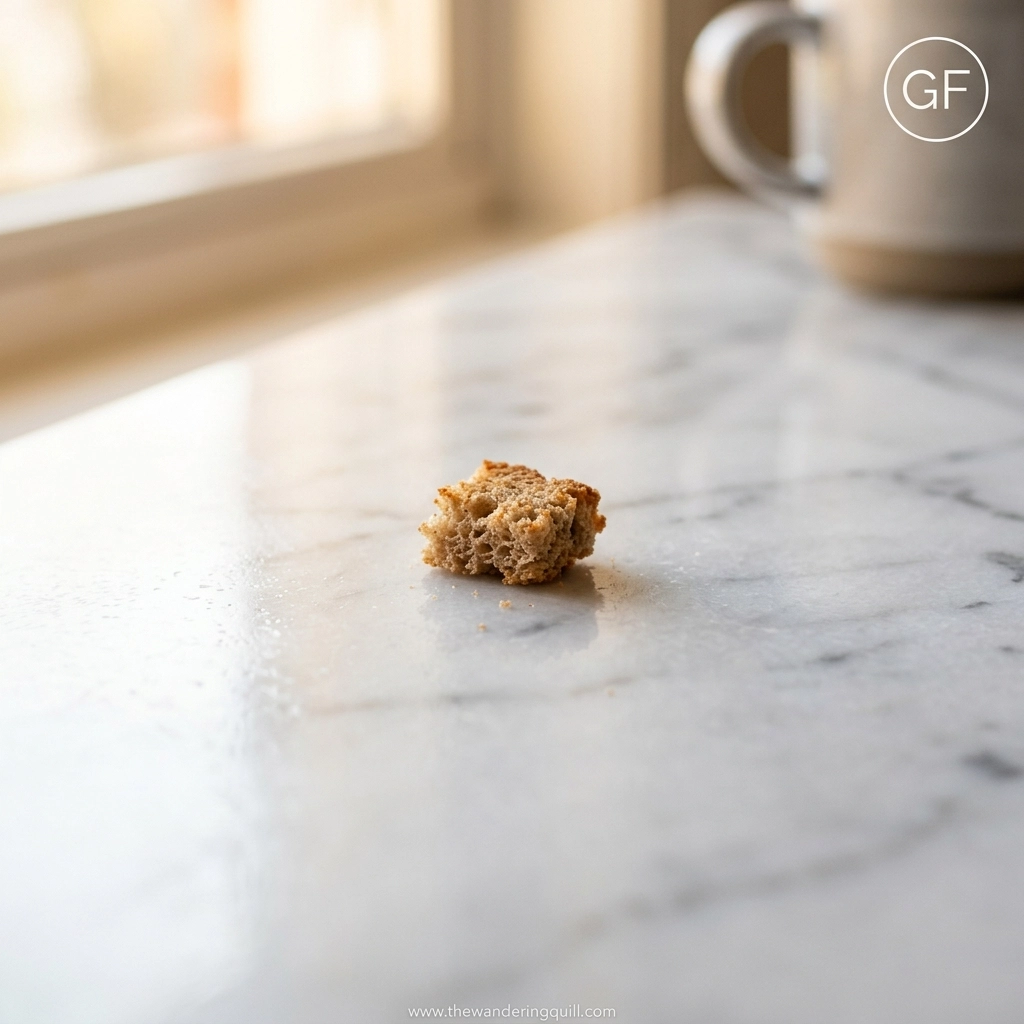

For many of us, the first few months after a celiac or Hashimoto’s diagnosis feel like a high-stakes scavenger hunt. We purge the pantry, we donate the old toaster, and we learn to read every single label on the grocery shelf like it’s a secret code. We become experts at spotting “malt” and “barley” in the kitchen, but for my wife Tammy and me, the real “Aha!” moment came when we realized the battle for wellness doesn’t end at the kitchen door.
Living as a warrior in this gluten-free journey means understanding that your environment is just as important as your plate. We spent years wondering why Tammy still felt sluggish or why her skin flared up, even when her meals were pristine. It turns out, gluten wasn’t just hiding in our bread, it was lurking in the bathroom, the office, and even the laundry room.
If you’ve already mastered our guide on 25 Hidden Gluten Ingredients Most People Miss, you’re already ahead of the game. But today, we’re stepping out of the kitchen. Knowledge is your greatest weapon, and once you know where to look, you can reclaim your peace of mind.
Love Is in the Details, and that means checking the things we touch, apply, and use every single day. Before we dive into the list, I want you to snag a copy of one of our Guides. It’s the ultimate survival kit we wish we had when we first started this journey, packed with everything you need to navigate these tricky waters.
1. The Hidden Ingredient in Your Kiss: Lipsticks and Lip Balms
This was one of the biggest shocks for us. You might think, “I’m not eating my lipstick,” but the truth is, we ingest a significant amount of whatever we put on our lips throughout the day. Whether you’re sipping coffee or just licking your lips, those ingredients find their way into your system.
Many lip products use wheat germ oil as a moisturizer or barley-derived ingredients for texture. For someone with celiac disease, this tiny amount can be enough to trigger an autoimmune response.
- What to look for: Triticum Vulgare (Wheat), Hordeum Vulgare (Barley), or Avena Sativa (Oats).
- The Pro-Tip: If it doesn’t explicitly say “Gluten-Free” on the tube, a quick email to the manufacturer can save you weeks of recovery.
2. Sacred and Safe: Communion Wafers
For many, the Sunday service is a place of peace, but for the gluten-free warrior, it can be a source of anxiety. Traditional communion wafers are almost exclusively made from wheat flour. Even a small fragment can cause issues for those highly sensitive.
We’ve found that most churches are incredibly accommodating once they understand the situation. Many now offer low-gluten or certified gluten-free wafers that are kept in a separate container to prevent cross-contamination.
- Lesson Learned: Don’t be afraid to advocate for yourself. Your spiritual health and physical health shouldn’t have to be at odds.
3. Your Morning Glow: Lotions and Shampoos

Knowledge Is Power, especially when it comes to “hydrolyzed wheat protein.” You’ll find this in everything from “strengthening” shampoos to “anti-aging” night creams. While gluten cannot be absorbed through intact skin (the molecules are too big), the danger lies in accidental ingestion.
Think about it: you wash your hair, the suds run down your face, and a little gets in your mouth. Or you apply lotion to your hands and then eat a sandwich. For Tammy, switching to a completely gluten-free beauty routine was the final piece of the puzzle in clearing up her persistent skin irritation.
4. Crafty Culprits: Play-Doh and Art Supplies
If you have kids or grandkids, the craft room can be a gluten minefield. Most traditional modeling clays, like Play-Doh, are actually made from wheat flour. As kids play, they get it under their fingernails, on the table, and, inevitably, near their mouths.
Even if you aren’t the one playing with it, the dust from dried clay can become airborne or settle on surfaces where you prepare food.
- The Switch: Look for gluten-free modeling compounds or make your own at home using rice flour and cornstarch. It’s a fun family activity that keeps everyone safe!
5. Healing the Gut, Checking the Pill: Medications and Supplements
This is a critical one. Fillers and binders in both prescription and over-the-counter medications often use starches. While many use corn or potato starch, some still use wheat starch.
Because the FDA’s gluten-free labeling rules don’t strictly apply to medications in the same way they do to food, you have to be a “Label Detective.” This is especially important if you’re struggling with Gluten-Free and Brain Fog: Clearing the Mental Mist, as the very supplements meant to help you might be holding you back.
- Actionable Step: Always ask your pharmacist to check the “excipients” list. Websites like DailyMed can also provide detailed ingredient breakdowns for prescriptions.
6. Fur-Baby Hazards: Pet Food and Treats

We love our pets, but their food can be a major source of cross-contamination. Most standard kibble and treats are loaded with wheat, barley, and rye. When you pour the food, dust rises. When your dog licks your hand (or your face!) after eating, they are transferring gluten directly to you.
After realizing this, we transitioned our pets to a grain-free diet. Not only did it help Tammy stay “clean,” but our dog seemed to have more energy too! It’s a win-win for the whole household.
- The Victory: If you can’t switch their food, ensure you wash your hands thoroughly with soap and water after every feeding or treat session.
7. The Sticky Truth: Stickers and Envelope Adhesives
It sounds like an old wives’ tale, but it’s true: some adhesives used on the back of stamps and envelopes use wheat-based starches. While many manufacturers have moved to synthetic glues, older stock or specific brands might still use the traditional stuff.
Licking an envelope is a direct way to ingest gluten. In our house, we use a damp sponge or a glue stick for all our mailing needs. It’s a small change that eliminates one more “hidden” battle.
8. Smile Safely: Toothpaste and Mouthwash

Your oral care routine is the most intimate “non-food” interaction you have. Since toothpaste and mouthwash are used inside the mouth, any gluten present is almost certainly going to be ingested in small amounts.
Some brands use grain-derived alcohols or thickeners. While most major brands are now gluten-free, some “natural” or specialty whitening pastes might still contain barley or wheat derivatives.
- Check the Label: Look for “Triticum” or “Hordeum” on the back of your tube. If you’re unsure, we have Guides and Ebooks ↑ that have handy checklists for these everyday household items.
9. Beyond the Mirror: Foundation and Powder
Similar to lotions, face makeup can be a culprit. Loose powders, in particular, can be accidentally inhaled or settle on your lips. If your foundation contains wheat germ oil, and you touch your face then touch your food, you’ve created a bridge for gluten to enter your system.
Transitioning to a gluten-free makeup routine isn’t about vanity, it’s about identity and protecting your health. You deserve to look and feel beautiful without worrying about a flare-up.
10. Laundry Day Discovery: Detergents and Softeners

This is the “final frontier” for many. Some high-end laundry detergents and fabric softeners use wheat-derived enzymes to help break down stains or wheat proteins to soften fabrics. While the risk of ingestion is low, for those with skin sensitivities or dermatitis herpetiformis (the “celiac rash”), this can be a major trigger.
We switched to a simple, clear detergent with no grain-based additives. The peace of mind knowing that even our bedsheets are a “safe zone” made a huge difference in Tammy’s sleep quality.
Empowerment Through Awareness
Living gluten-free isn’t about living in fear; it’s about living with proactive determination. When we first started, we felt overwhelmed by these hidden sources. It felt like the world was a minefield. But as we learned, we felt more in control. We weren’t victims of our environment anymore; we were the masters of it.
If you’re ever unsure about a product, be an advocate. Call the number on the back of the bottle. Manufacturers are becoming much more aware of the needs of the celiac and autoimmune community, and they are usually happy to provide clarity.
You aren’t alone in this. We are all walking this path together, discovering new ways to thrive despite the challenges.
Join the Conversation! Have you found gluten in a surprising place? Drop a comment below or send us a message, we love hearing your stories and learning from your “victories” in the field!
Don’t forget to grab your copy of our Guides↑to keep all these tips and more right at your fingertips.
“Strength does not come from winning. Your struggles develop your strengths. When you go through hardships and decide not to surrender, that is strength.” , Arnold Schwarzenegger
Tried & Tested
Everything we share on The Wandering Quill comes straight from our home to yours. We use these products, we’ve tested these tips in our own kitchen (and bathroom!), and we personally navigate these challenges every day. If you have a question, ask! We’ve likely been there and are happy to answer honestly.
Medical Disclaimer: We share our lived gluten-free experience and the knowledge we’ve gained on our journey, but we are not doctors. Please always do your own research and consult with a medical professional regarding your specific health needs.
Martin & Tammy