
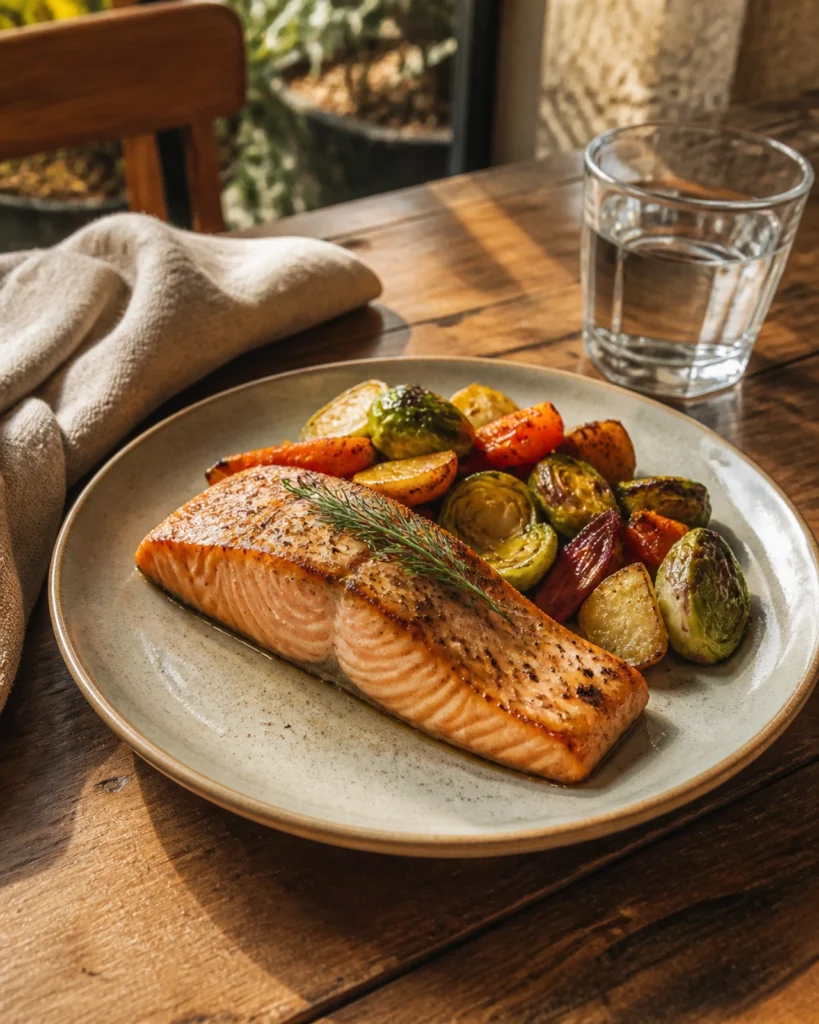
Dining out should be an enjoyable experience, not one filled with anxiety. Yet for those living with Celiac disease, Hashimoto’s, or non-celiac gluten sensitivity, a single mistake in the kitchen can lead to days—or even weeks—of symptoms.
My wife, Tammy, lives with Hashimoto’s, so every time we eat out, we ask plenty of questions before ordering. Most restaurants genuinely want to help, but we’ve learned that good intentions don’t always prevent mistakes. Sometimes it’s simply a lack of understanding. Other times it’s a communication breakdown between the server and the kitchen.
The good news is that many of these situations can be avoided when you know what to watch for.
Here are ten of the most common restaurant mistakes that can lead to accidental gluten exposure.
1. Assuming “Gluten-Free” Means Completely Safe
A menu label can be helpful, but it doesn’t always tell the whole story. Some restaurants mark dishes “gluten-free” because the ingredients themselves don’t contain gluten, but that doesn’t necessarily mean the meal is prepared in a way that’s safe for someone with Celiac disease or severe gluten sensitivity.
The Risk: A dish may start out gluten-free on paper but still be exposed to cross-contact through shared prep surfaces, utensils, or cooking areas.
The Strategy: Ask whether the restaurant has procedures in place to avoid cross-contact, not just whether the ingredients are gluten-free.
2. Not Asking About Shared Fryers
This is one of the biggest trouble spots when dining out. French fries may be gluten-free by ingredient, but if they’re cooked in the same fryer as breaded chicken, onion rings, or mozzarella sticks, they are no longer safe for many gluten-free diners.
The Risk: Shared fryer oil can carry gluten residue from breaded foods to otherwise gluten-free items.
The Strategy: Always ask if the fryer is dedicated gluten-free before ordering fries, tortilla chips, or anything fried.
↑ Knowledge Is Power: If dining out still feels stressful, our Dining Out Gluten-Free – The NO Stress Guide was created to help you walk in prepared, ask better questions, and feel more confident at the table.
3. Trusting Sauces, Marinades, and Dressings Without Checking
Hidden gluten loves to show up in sauces. Soy sauce, thickened gravies, marinades, salad dressings, and even spice blends can all contain gluten.
The Risk: A meal that looks completely safe can quickly become a problem because of a sauce or seasoning added at the last minute.
The Strategy: Ask exactly what’s in the sauce, dressing, or marinade, and don’t be afraid to request it on the side or skip it completely.
4. Assuming Grilled Food Is Automatically Safe
Grilled chicken, steak, or vegetables may seem like the safest choice on the menu. But if those foods are cooked on the same grill as buns, pancakes, breaded items, or gluten-containing foods, cross-contact can still happen.
The Risk: Gluten residue from the grill surface can transfer directly to your meal.
The Strategy: Ask whether your food can be cooked in a clean pan or on a cleaned section of the grill.
5. Not Making It Clear That It’s a Medical Need
This is a big one. If a restaurant hears “gluten-free” and assumes it’s a preference rather than a medical necessity, your order may not be treated with the seriousness it deserves.
The Risk: Important precautions may be skipped if staff don’t understand the health consequences of even a small amount of gluten.
The Strategy: Clearly say that you have Celiac disease, Hashimoto’s, or a medical need that requires strict gluten-free handling.
6. Overlooking Bread, Garnishes, and Plate Contact
Sometimes the issue isn’t the main meal. It’s the toast placed on the same plate, the croutons added automatically to a salad, or the fried garnish sprinkled on top out of habit.
The Risk: Even if you remove the bread or topping, contact has already happened.
The Strategy: Be specific when ordering. Ask for no bread, no croutons, and no garnishes that may contain gluten.
7. Relying on One Staff Member’s Guess
Most servers want to help, but they may not know every ingredient or kitchen process. A quick “I think it’s gluten-free” isn’t enough when your health is on the line.
The Risk: Incomplete or incorrect information can lead to accidental exposure.
The Strategy: If the answer seems uncertain, ask the server to double-check with the chef or manager.
8. Forgetting to Ask About Preparation Methods
Some proteins are lightly floured before cooking. Eggs may be made on a shared surface. Vegetables may be seasoned with ingredients you wouldn’t expect. These preparation details matter more than many people realize.
The Risk: Gluten can be introduced during cooking even when the core ingredients are naturally gluten-free.
The Strategy: Ask how the item is prepared, whether anything is dusted with flour, and whether separate cookware can be used if needed.
9. Overlooking Drinks and Desserts
Gluten doesn’t only hide in food. It can also show up in cocktails, milkshakes, dessert toppings, and specialty beverages. Malt is a common example, and some drinks use ingredients most people wouldn’t think to question.
The Risk: A “safe” meal can still end with symptoms if the drink or dessert contains hidden gluten.
The Strategy: Ask about malt, beer-based ingredients, cookie crumbles, and any dessert add-ins before ordering.
10. Not Having a Backup Plan
Even when you ask all the right questions, some restaurants simply can’t accommodate strict gluten-free needs safely. That’s frustrating, especially when you’re hungry and everyone else is ready to order.
The Risk: Hunger and pressure can push you toward a risky choice that you wouldn’t normally make.
The Strategy: Keep a gluten-free snack with you, and be willing to change your order—or even your restaurant choice—if something doesn’t feel right.
Dining Out Can Still Be Enjoyable
We know firsthand that eating out with autoimmune issues can feel overwhelming. It can make a simple dinner seem like a battle plan. But the truth is, dining out can still be enjoyable when you go in informed and prepared.
Every question you ask is an act of self-respect. Every precaution you take is a victory. We are not being difficult. We are protecting our health. And that’s something every gluten-free warrior should feel empowered to do.
Our Best Advice
If there’s one lesson we’ve learned, it’s this: never assume, always ask.
Ask about fryers. Ask about sauces. Ask about grill surfaces. Ask whether the kitchen understands cross-contact. The more clearly we communicate, the better chance we have of enjoying the meal and the moment.
And if a restaurant doesn’t seem confident, it’s okay to walk away. Sometimes the safest choice is also the strongest one.
↑ Ready for More Confidence at the Table? Grab your copy of Dining Out Gluten-Free – The NO Stress Guide and give yourself a practical, easy-to-use resource for safer restaurant meals.
Tried & Tested
We use these strategies in our own kitchen and in our real life every time we plan a meal out. We personally test what we share so we can answer questions honestly, practically, and from lived experience.
Medical Disclaimer: We share our lived gluten-free experience and what we know, but we are not doctors. Please do your own research and talk with your healthcare provider about your specific needs.
“The greatest wealth is health.” — Virgil
Questions, reviews, or messages? We’d love to hear from you.
[Contact Us / Leave a Review]
Martin & Tammy
