
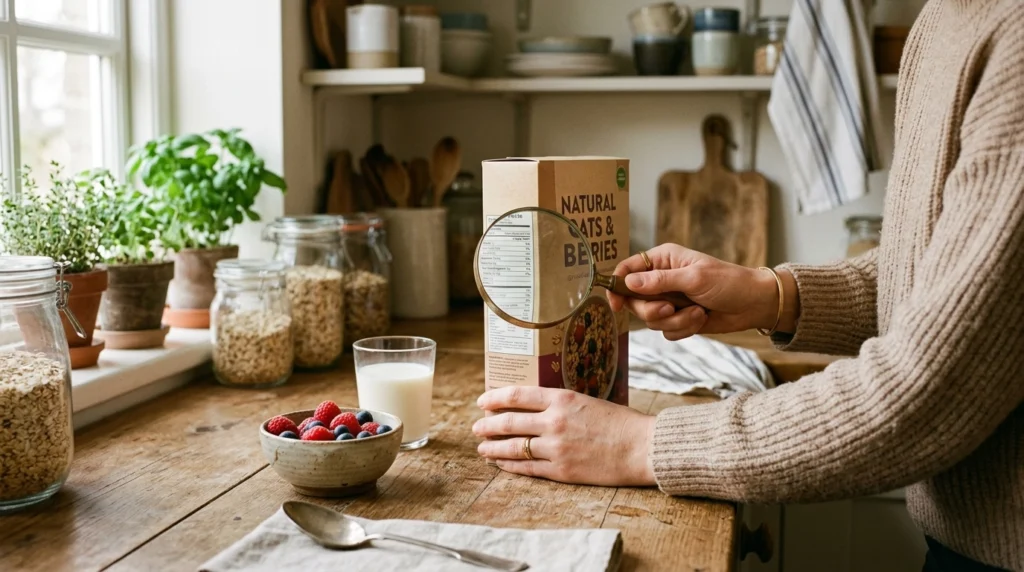
We’ve all been there, standing in the middle of a grocery aisle, heart racing, scanning a label for the third time just to be sure. When Tammy was first diagnosed with Hashimoto’s and we realized celiac disease was part of our family’s “new normal,” every trip to the store felt like navigating a minefield. You look for the word “wheat,” and when you don’t see it, you feel a brief moment of victory. You put the box in your cart, head home, and prepare a meal with love, only to wake up the next morning feeling like you’ve been hit by a freight train.
The brain fog, the joint pain, the crushing fatigue… it’s heartbreaking. You did everything right, didn’t you?
Often, the culprit isn’t wheat. It’s the “Sneaky Enemy” that hides in plain sight: Barley Malt.
If you are a warrior on this journey of gluten-free living, understanding the mystery of malt is one of the most important battles you will win. It is the common mistake that trips up even the most diligent beginners. Today, we’re going to peel back the curtain, look the enemy in the eye, and give you the tools to protect your health and your home.
The Hidden Threat in Your Pantry
When you start this journey, you are often told to avoid the “Big Three”: Wheat, Barley, and Rye. Wheat is easy to spot, it’s everywhere and usually clearly labeled. Rye is rare in most processed snacks. But barley? Barley is the master of disguise. It doesn’t always call itself “barley.” Instead, it hides behind the smooth, sweet, and seemingly innocent name of Malt.
For those of us managing autoimmune conditions like Hashimoto’s or hypothyroidism, even a “tiny” amount of this sneaky ingredient can trigger an inflammatory cascade. It’s not just about a stomach ache; it’s about the long-term toll on our thyroid and our nervous system. We are in this together, and the first step to reclaiming our vitality is knowing exactly what we are putting into our bodies.
If you’re feeling overwhelmed by the sheer amount of information out there, know that you’re not alone. We’ve been through the tears and the “accidental glutenings” too. That’s exactly why we put together our comprehensive resource to help you navigate these tricky waters.
Knowledge Is Power: What Exactly is Barley Malt?

To defeat the enemy, we have to understand it. What is “malt,” anyway? In the world of food science, malting is a process where a grain, usually barley, is soaked in water, allowed to germinate (sprout), and then quickly dried with hot air. This process develops enzymes and unlocks a rich, nutty sweetness that food manufacturers love.
Because barley is cheap and its malted form adds color, texture, and flavor, it is used as a “filler” or “flavor enhancer” in thousands of products. Here is the heartbreaking truth: Barley malt contains gluten. It is derived directly from the barley grain, and unlike some processed ingredients that can be distilled or refined to remove proteins, malt extract and flavoring keep those gluten proteins intact.
Why is it so sneaky?
In the United States, the FDA’s “Top 9” allergen labeling laws require companies to clearly state if a product contains wheat. However, they are not required to call out barley or rye in the same way. This creates a “disclosure gap.” A product can be “Wheat-Free” but still be loaded with barley malt, making it a dangerous trap for celiacs and those with gluten sensitivities.
The Stealth Bomber of Ingredients: Where It Hides
You might think you’re safe with a bowl of rice cereal or a piece of dark chocolate. Sadly, this is where the mystery deepens. Barley malt is often added to foods that are naturally gluten-free to “round out” the flavor profile.
1. The Cereal Trap
This is the most common heartbreak for beginners. You see a box of “Crispy Rice” or “Corn Flakes.” Rice and corn are gluten-free, right? But when you look closer at the ingredients, you’ll see “Malt Flavoring” or “Barley Malt Extract.” It’s there to give that classic toasted taste, but for a gluten-free warrior, it turns a healthy breakfast into a setback.
2. The Chocolate Deception
Many high-end chocolate truffles and bars use barley malt to create a smoother, malted flavor. Even if the chocolate is 70% cocoa, that tiny addition of malt extract is enough to trigger an autoimmune flare.
3. The “Healthy” Granola
Many granolas use malt syrup as a binder instead of honey or maple syrup. It provides a deep crunch and a golden color, but it also carries the hidden gluten that can stall your healing journey.
4. Savory Sneaks
From canned soups and bouillon cubes to soy sauce and malt vinegar (the “chip seasoning” of choice), barley malt is a frequent flyer in the savory world. It adds a “umami” depth that is hard to replicate, but not impossible.

Love Is in the Details: Why Our Bodies Sound the Alarm
For Tammy and me, the battle against barley malt wasn’t just about following rules; it was about protecting her health. When you have an autoimmune condition like Hashimoto’s, your immune system is already on high alert. It’s like a sentinel standing at the gate, ready to defend. When gluten, even in the form of barley malt, enters the system, that sentinel sounds the alarm.
The resulting “friendly fire” doesn’t just attack the gluten; it can attack the thyroid gland itself. This is why we call ourselves warriors. We aren’t just “picky eaters”; we are protecting our very life force.
Every time you choose a malt-free alternative, you are choosing yourself. You are choosing energy over exhaustion. You are choosing clarity over fog. We know it’s hard to change your favorite brands, but the victory of feeling good is so much sweeter than any malted treat.
If you’re looking for more guidance on how these ingredients affect your specific autoimmune journey, I highly recommend browsing our Gluten-Free Lifestyle section. There, we dive deeper into the lifestyle shifts that make this path sustainable.
A Warrior’s Toolkit: Decoding the Label
To win this mystery, you need to become a label detective. You can’t rely on the “Contains: Wheat” warning at the bottom of the package. You have to read the fine print.
Watch for these red-flag terms:
- Malt Extract (The most common form)
- Malt Flavoring
- Malt Syrup
- Malted Barley Flour
- Malted Milk (Found in milkshakes and candies)
- Hordeum Vulgare (The Latin name for barley, sometimes found in tea or supplements)
Pro-tip: If a label simply says “Natural Flavoring,” and the product isn’t certified gluten-free, be cautious. In some cases, barley malt can hide inside that vague “natural” umbrella. When in doubt, leave it out!
Victory in the Kitchen: Safer Alternatives
The good news? You don’t have to miss out! For every “malted” product, there is a delicious, safe alternative waiting for you to discover.
- Instead of Malt Vinegar: Reach for Apple Cider Vinegar or Rice Wine Vinegar. They provide that same tang without the gluten.
- Instead of Malted Cereal: Look for cereals that are specifically certified gluten-free. Brands like Chex (most varieties) and many organic rice puffs use sea salt or molasses for flavor instead of malt.
- Instead of Malted Chocolate: Look for pure dark chocolate or brands that specifically state they are gluten-free and soy-free.
- Instead of Soy Sauce: Switch to Coconut Aminos. It has that deep, slightly sweet flavor profile that malt provides, but it’s 100% gluten-free and much better for your thyroid!
Together in the Journey
Living gluten-free, especially with a diagnosis like Celiac or Hashimoto’s, is a marathon, not a sprint. There will be days when the “Malt Mystery” feels like too much to handle. There will be days when you miss the ease of grabbing any box off the shelf.
But remember: you are not alone.
Tammy and I are right here with you. We’ve spent years trial-and-erroring our way through the pantry so you don’t have to. Every time we find a hidden source of gluten, we share it with our community because we believe that together, we are stronger than any diagnosis.
You are a warrior, and your kitchen is your sanctuary. By removing the “sneaky enemy” of barley malt, you are clearing the path for your body to heal, for your energy to return, and for your joy to thrive.

Tried & Tested
We want you to know that everything we share comes from our own kitchen. We’ve personally tested the swaps and strategies mentioned here because we live this life every single day. Whether it’s finding the perfect malt-free cereal or navigating a restaurant menu, we do the work so we can answer your questions with honesty and heart.
Medical Disclaimer: While we share our lived experience and extensive research on gluten-free living, we are not doctors or medical professionals. The information provided is for educational and community support purposes. Please always do your own research and consult with your healthcare provider before making significant changes to your diet or treatment plan.
↑ It’s not just Barley Malt that is an issue, here are many more ingredients people miss, check it out here: 25 Hidden Gluten Ingredients Most People Miss
“Healing is a matter of time, but it is sometimes also a matter of opportunity.” : Hippocrates
Have you been surprised by a hidden source of barley malt? We’d love to hear your story or answer any questions you have. Message us below or leave a review of our tips!
Be well,
Martin & Tammy