When Tammy first began wondering whether gluten was part of the problem, she was already carrying enough uncertainty. Before her 2019 diagnosis, food had become confusing, symptoms were exhausting, and every new piece of advice seemed to create three more questions.
What am I supposed to eat? How do I know what is safe? What if I remove gluten and never get a clear answer?
We remember that overwhelm because we lived it together.
If you’re asking, “I think I’m gluten sensitive, now what?”, take a breath. You do not have to solve everything today. This first 30 days is not about panic, perfection, or diagnosing yourself from a checklist. It is about gathering information, building safer habits, and preparing for a thoughtful conversation with a healthcare professional.
Important first step: If celiac disease has not been ruled out, speak with a healthcare professional and complete celiac testing before removing gluten. Testing may be less accurate after you stop eating gluten.
This roadmap is educational, not a diagnosis. Think of it as a set of stepping stones for our fellow warriors.
Before Day One: Test Before You Restrict
Non-celiac gluten sensitivity, sometimes called NCGS, does not have one validated home test or a single blood marker that confirms it. Symptom tracking can reveal patterns, but it cannot diagnose the cause.
Celiac disease is different. It is an autoimmune condition, and testing generally needs to happen while you are still eating gluten. Wheat allergy is different again and may require allergy testing. That is why the first victory is not buying gluten-free bread. It is asking the right questions.
Talk with your healthcare professional before beginning an elimination and reintroduction plan, especially if you are pregnant, planning meals for a child, experiencing significant weight loss, anemia, or nutritional deficiencies, or managing another medical condition such as Hashimoto’s or hypothyroidism. A registered dietitian can also help you protect nutrition while you experiment.
If you have already stopped eating gluten, do not decide on your own to start a gluten challenge. Reintroducing gluten is not universally safe or appropriate, particularly for people with suspected or confirmed celiac disease, wheat allergy, strong reactions, or significant symptoms. Let your clinician personalize that decision.
For background, revisit our earlier series posts, Is Gluten the Problem? 12 Signs You Might Be Gluten Sensitive and Gluten Sensitivity vs. Celiac Disease vs. Wheat Allergy: What’s the Difference? You can also explore our gluten-free facts and resources and read more about Tammy’s diagnosis journey.
Days 1–7: Create a Calm, Safer Kitchen
The first week is not about making elaborate recipes. It is about reducing confusion.
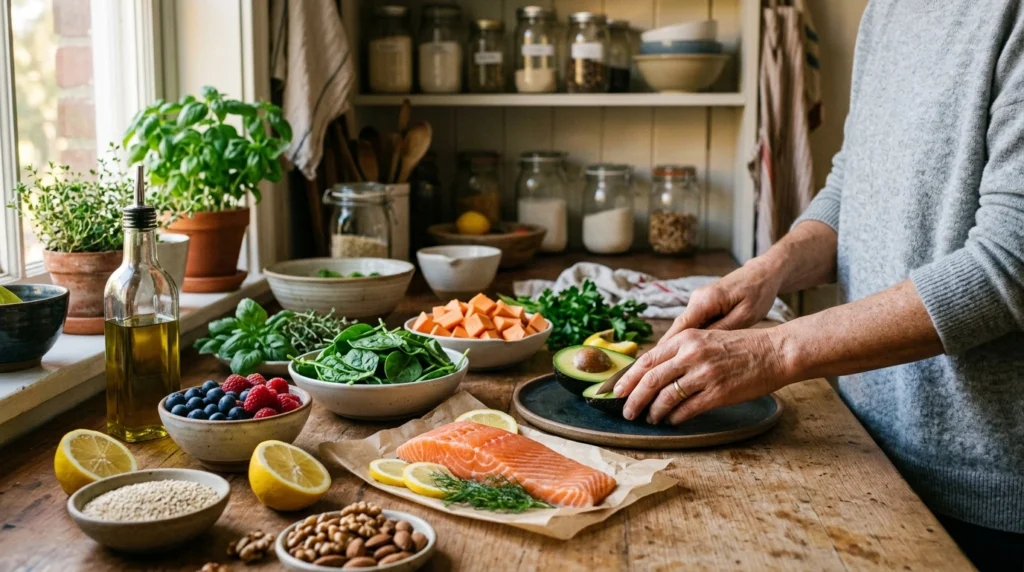
Start with naturally gluten-free foods you already enjoy: vegetables, fruit, rice, potatoes, beans, eggs, plain meat, poultry, fish, dairy if tolerated, nuts, and simple herbs. Keep meals familiar. A plain protein, a starch, and a vegetable can be a complete victory.
Then learn the language of labels.
Look carefully for:
- Wheat, barley, and rye
- Malt, malt flavoring, and malt vinegar
- Wheat-based soy sauce
- Bread crumbs, flour, and breading
- Broths, bouillon, sauces, gravies, and marinades
- Spice blends and seasoning packets
- Deli meats and processed meat products
- Supplements and medications, when gluten-containing excipients are possible
- Oats, unless they are clearly labeled gluten-free and fit your clinician’s advice
A “may contain” statement or “made in a shared facility” warning deserves attention. These statements can indicate possible cross-contact, but labeling practices vary. If you have celiac disease, or it has not been ruled out, ask your healthcare professional or dietitian how cautious you need to be.
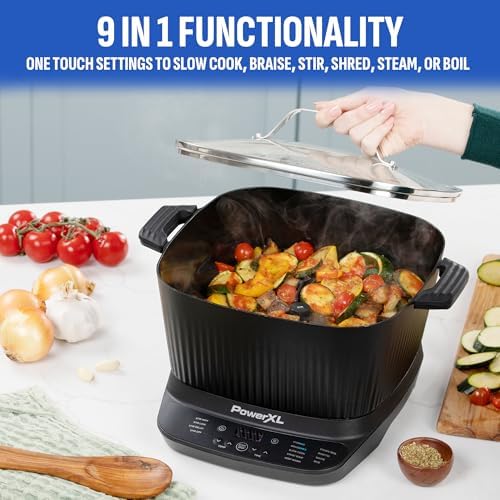
Cross-contact can happen through a shared toaster, cutting board, colander, butter dish, or crumb-covered counter. A separate toaster is one of our most useful kitchen staples. A dedicated Air Fryer can also make everyday cooking easier, but only when it is cleaned carefully and not used with gluten-containing crumbs or coatings.
The appliance itself is not magic. Clean surfaces, clean tools, and thoughtful storage matter.
If label reading feels like a battle, our Guide to a Safe Gluten-Free Kitchen was created for exactly this beginning: fewer guesses, more confidence, and a kitchen that feels manageable.

Days 8–14: Build Simple Meals and Notice Patterns
By the second week, the goal is consistency, not culinary perfection.
Choose three or four breakfasts, lunches, and dinners you can repeat without stress. For example:
- Eggs with potatoes and fruit
- Rice with chicken, beans, and vegetables
- A baked potato with tuna, cheese, or beans
- Gluten-free oats, if appropriate for you
- A simple soup made with verified gluten-free broth
- A salad with plain protein and a carefully checked dressing
Try not to remove five other food groups at the same time unless a qualified professional has planned that approach with you. If you change everything at once, it becomes much harder to understand what helped.
Use a journal like this:
Daily symptom-and-food check-in
- Date and time:
- Foods and drinks:
- Ingredients or brand:
- Portion and timing:
- Digestive symptoms:
- Energy level:
- Headache or brain fog:
- Skin or joint symptoms:
- Mood and sleep:
- Stress, exercise, illness, or menstrual cycle:
- Symptom intensity from 0–10:
- Notes and questions for my clinician:
This journal is a tool, not a verdict. Bloating, fatigue, constipation, diarrhea, headaches, brain fog, and joint discomfort can have many possible causes. Stress, sleep, infections, medication changes, lactose, fermentable carbohydrates, and other foods may contribute. A pattern is worth discussing; it is not proof.
Tammy learned that progress was not always dramatic. Sometimes the discovery was simply realizing which meals gave her a steadier afternoon. That counted. Small information is still information.

Days 15–21: Eat Out Without Handing Over Your Confidence
Eating out can feel like the hardest part of going gluten-free. We understand the hesitation before placing an order, the worry that a “safe” meal may have been prepared on the same surface or in the same fryer as breaded food.
Start by calling ahead. Ask:
- Do you have a gluten-free menu or allergen guide?
- Can the kitchen prevent cross-contact?
- Are fries cooked in a shared fryer?
- Are sauces, marinades, broths, and seasonings gluten-free?
- Can my meal be prepared with clean gloves, utensils, and cookware?
- Does the staff understand that this is a medical concern?
You can use Find Me Gluten Free as a digital tool for finding restaurants and reading community feedback, but always confirm details directly with the restaurant. Reviews can be helpful; they are not a guarantee.
A gluten-free option is not automatically safe for someone with celiac disease if cross-contact is possible. For suspected celiac disease, be specific and take the answer seriously. If the restaurant cannot explain its procedures, choose another place or eat your backup food.
Carry something safe: a protein bar, crackers, nuts, fruit, or a small packed meal. This is not being difficult. It is being prepared.
For more help with restaurant questions, our Dining Out Gluten Free: The No-Stress Guide offers practical scripts and strategies for moving from the front door to the table.
Socially, you can keep your explanation simple: “I’m working with my healthcare team to understand how gluten affects me, so I’m being careful for now.” You do not owe everyone your medical history.

Days 22–30: Review, Don’t Rush to a Conclusion
At the end of the month, look back at your journal and ask:
- Did any symptoms change in frequency or intensity?
- Were there days when meals were more consistent?
- Did sleep, stress, illness, or medication changes affect the pattern?
- Did I accidentally consume gluten or experience possible cross-contact?
- Am I eating enough calories, fiber, protein, vitamins, and minerals?
- What three questions do I want to ask my clinician?
If your symptoms improved, that is useful information, but it does not automatically confirm non-celiac gluten sensitivity. If nothing changed, that is also useful information. Either result deserves a careful conversation rather than a label you place on yourself.
The reintroduction stage must be individualized. Some people may be guided by a clinician or registered dietitian through a structured challenge. Others, especially those with suspected or confirmed celiac disease, wheat allergy, pregnancy, children, significant weight loss, anemia, nutritional deficiencies, or other medical conditions, may need a different plan, or may be advised not to reintroduce gluten at all.
Do not push through hives, swelling, breathing trouble, faintness, repeated vomiting, or other signs of a serious allergic reaction. Seek urgent medical care.

The Victory Is Understanding Your Next Step
Living with uncertainty can be heartbreaking. But uncertainty is not the end of the story.
Tammy’s journey taught us that a diagnosis, or even the process of searching for answers, does not erase your joy, your identity, or your ability to share a meal with the people you love. We learned to ask better questions, read labels with less fear, prepare backup plans, and celebrate the meals that worked.
You are not failing because you need help. You are not overreacting because food feels complicated. You are a warrior learning the terrain.
One safe meal is a victory. One useful question is a victory. One honest conversation with your clinician is a victory.
Tried & Tested
We use these recipes and gluten-free kitchen practices in our own home. We personally test what we share so we can answer questions honestly and tell you what worked for us, not what merely sounds good on paper.
We share our lived gluten-free experience and what we know from our own journey, but we are not doctors. This post is for general education and should not replace medical advice, diagnosis, or treatment. Please do your own research and speak with a qualified healthcare professional or registered dietitian about your individual needs.
“You do not have to figure out the whole journey today. You only have to take the next safe, informed step.”
Share Your Story With Us
Did you recognize your own uncertainty in Tammy’s story? Are you beginning your first 30 days, or have you already learned something important about your body?
We would love to hear from you. Send us a message through The Wandering Quill contact page with your questions, feedback, or review of this series. Your story may help another warrior feel less alone.
For more practical support, explore The Wandering Quill’s gluten-free guides.
With hope, patience, and a little more confidence in every bite,
Martin & Tammy