The holidays are meant to bring us together. But when you’re gluten-free, especially with celiac disease, the holiday table can come with a side of worry: What’s in the gravy? Did that serving spoon touch the stuffing? Will there be anything safe to eat?
For Tammy, navigating gluten-free life alongside Hashimoto’s and hypothyroidism has made food safety part of our everyday routine. For me, supporting her means learning to ask questions, read labels, and plan ahead. We know it can feel overwhelming to explain your needs when everyone else is focused on the feast.
Still, a safe holiday meal doesn’t have to be a lonely plate or a big production. Whether you’re hosting or visiting, a few thoughtful steps can protect your peace, and help you enjoy the gathering, too.
Start With a Conversation, Not an Apology
If you’re a guest, try reaching out to the host before the holiday rush. A friendly conversation gives both of you time to make a plan without the pressure of a crowded kitchen.
You might say:
“I’m looking forward to being together. Because I have celiac disease, I need to avoid gluten and cross-contact. Could we talk about what’s on the menu and how it will be prepared?”
Be specific and kind. Ask about ingredients in sauces, seasonings, broths, and packaged foods, not only the obvious bread and pastries. If the host isn’t familiar with celiac disease, explain that avoiding gluten ingredients is only part of it; clean cookware, serving tools, and preparation surfaces matter, too.
If you’re hosting, ask your guest what would help them feel safe. Don’t guess, and don’t take questions personally. A little planning is an act of care.
For more of our family’s perspective on learning to support someone through chronic illness, you can read Martin’s story of supporting Tammy.
↑ Want a little more confidence when food is being prepared away from home? Our Dining Out Gluten-Free – The NO Stress Guide shares practical ways to ask questions and navigate meals out.
Make the Classics Feel Familiar
The dishes that make a holiday feel like a holiday are often easier to adapt than we expect. A few careful swaps can bring familiar flavors to the table without turning the meal into a science project.
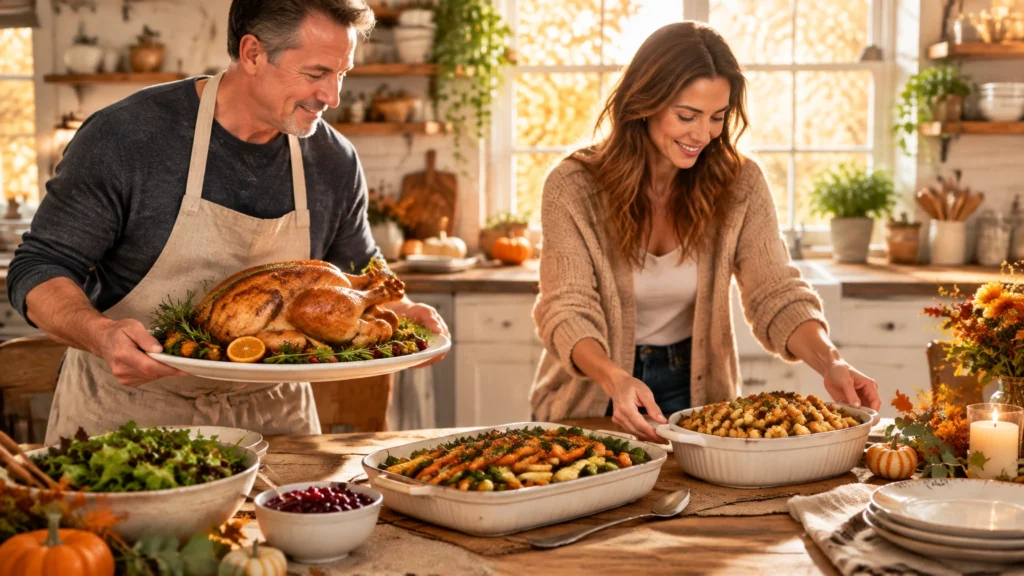
- Stuffing: Use gluten-free bread and check the broth, herbs, and seasoning blends. Bake it in a separate, clean casserole dish. If regular bread stuffing is cooked inside the turkey, the turkey and drippings may be exposed to gluten; don’t assume the meat is safe just because it looks plain.
- Gravy: Traditional gravy often starts with wheat flour. Thicken homemade gravy with cornstarch or a gluten-free flour, and check the stock, bouillon, and seasonings as well. If you use pan drippings, make sure they haven’t contacted gluten-containing stuffing or other ingredients.
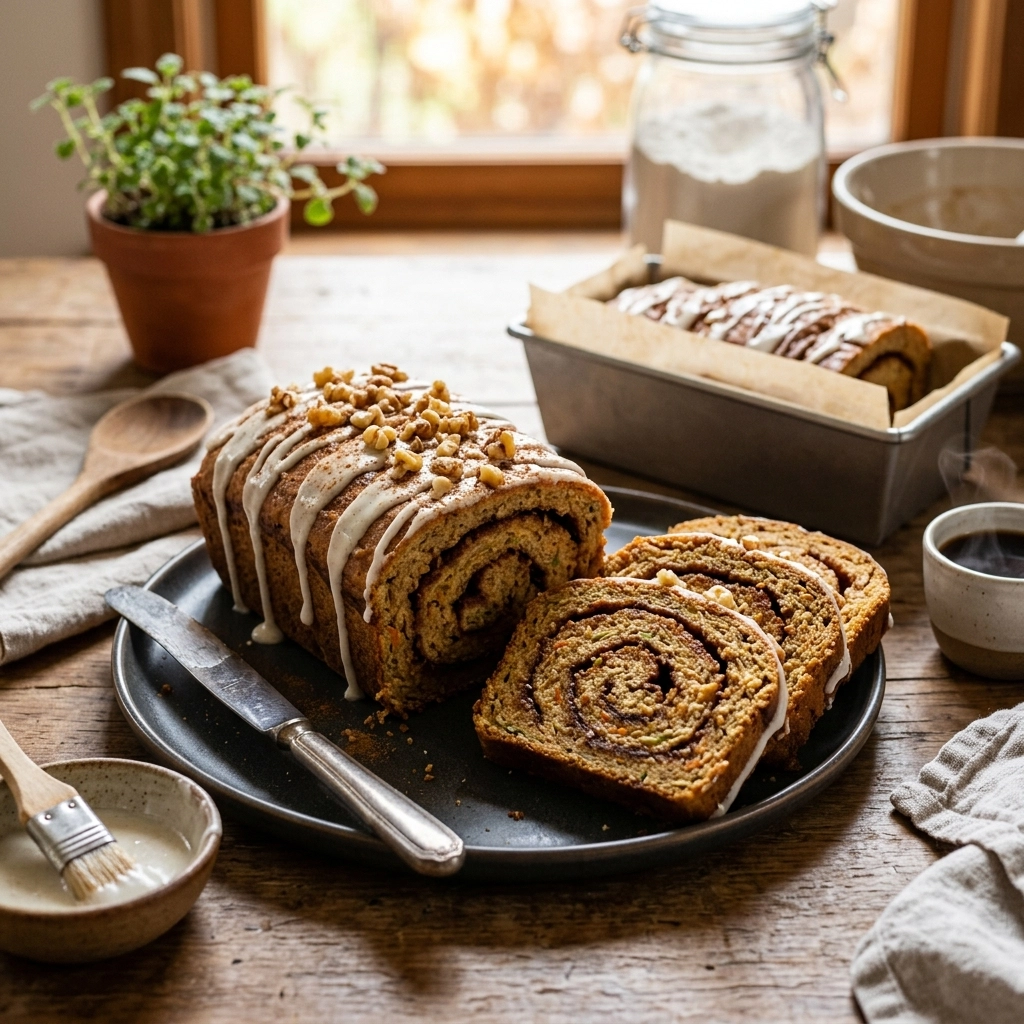
- Dessert: A flourless chocolate cake, fruit crisp made with verified gluten-free oats, or a favorite gluten-free bake can make dessert feel generous, not like an afterthought. Our flourless chocolate lava cakes are one delicious idea to explore.
Packaged ingredients deserve another look, even if you’ve bought them before. In the United States, an FDA “gluten-free” claim means the product must meet the agency’s requirements, including having less than 20 parts per million of gluten. You can read more in the FDA’s gluten-free labeling Q&A.

A Buffet Needs a Little Extra Care
Buffets can be tricky because food may be safe when it leaves the kitchen and become unsafe as people serve themselves. A spoon can travel between dishes. Crumbs can fall. Someone may use the same knife for butter and a roll.
If you’re hosting, the simplest option is to set aside a separate gluten-free serving area or plate a guest’s meal in the kitchen using clean utensils. Keep safe dishes covered until serving, and give each one its own serving spoon or tongs. Avoid shared butter, dips, and condiment jars that may have picked up crumbs.
If a shared buffet is the only option, place gluten-free dishes apart from gluten-containing ones, provide dedicated utensils, and let the gluten-free guest serve first. Serving first can help reduce the chance of utensil mix-ups, but it doesn’t replace ingredient checks and careful preparation.
As a guest, it’s okay to ask for a freshly plated serving from the kitchen instead of using a busy buffet. That’s not being difficult. It’s taking care of yourself. The Celiac Disease Foundation’s guide to dining and social eating offers more advice for holiday meals and gatherings.
↑ A little clarity can make it easier to enjoy the moment, and still ask the questions your health requires.

A Make-Ahead Plan Is a Gift to Your Future Self
Holiday days can be busy, and fatigue or brain fog can make last-minute decisions harder. We’ve learned that a simple plan helps everyone breathe easier. It doesn’t need to be perfect.
A few days before: Confirm the menu and who is bringing what. Check packaged ingredients, including broth, spices, sauces, and dessert toppings. If you’re hosting, ask your guest whether they’d prefer a particular safe dish.
The day before: Prepare gluten-free dishes first when practical, using clean work surfaces, cookware, and utensils. Store them covered and apart from gluten-containing foods. If the kitchen is also being used for wheat-flour baking, consider preparing gluten-free items at a different time; loose flour can spread beyond the work surface.
On the day: Keep dedicated serving utensils with each gluten-free dish. Set aside a safe plate before the buffet opens or ask the host to plate a meal from the kitchen. If you’re a guest and the details are uncertain, bring a substantial dish you know you can eat, and a snack for the journey home.

You Belong at the Table
It can hurt when a holiday meal seems to revolve around what you can’t eat. We understand. Yet careful planning can turn a stressful unknown into a few practical choices: a clear conversation, a safe serving plan, and food you’re genuinely excited to share.
If you’re hosting, your welcome can be as simple as making space for questions and keeping safe dishes safe. If you’re a guest, you’re allowed to advocate for yourself without apologizing for your needs. We’re all learning, and every small victory counts.
You don’t have to choose between protecting your health and being part of the celebration. You deserve a seat, a safe plate, and the joy of being together.
Tried & Tested
We use these approaches in our own kitchen, and we personally test everything we share so we can answer questions honestly. We’re sharing our lived gluten-free experience and what we know, but we are not doctors. Please do your own research and talk with your healthcare team about your individual needs.
“The best holiday tables make room for everyone, and care is one of the most meaningful dishes we can bring.”
Share Your Story
How do you make holiday gatherings feel safer and more welcoming? We’d love to hear your tips, questions, or story. Send us a message through The Wandering Quill, or share your thoughts with our community.
Martin & Tammy