A diagnosis has a way of revealing the truth.
Not all at once. Sometimes it happens slowly, through the invitations that stop arriving, the messages that go unanswered, or the uncomfortable pause after you explain that just one bite is not harmless.
But eventually, you see it.
Some people fade when life becomes inconvenient. Others step closer. The difference can be heartbreaking, and clarifying.
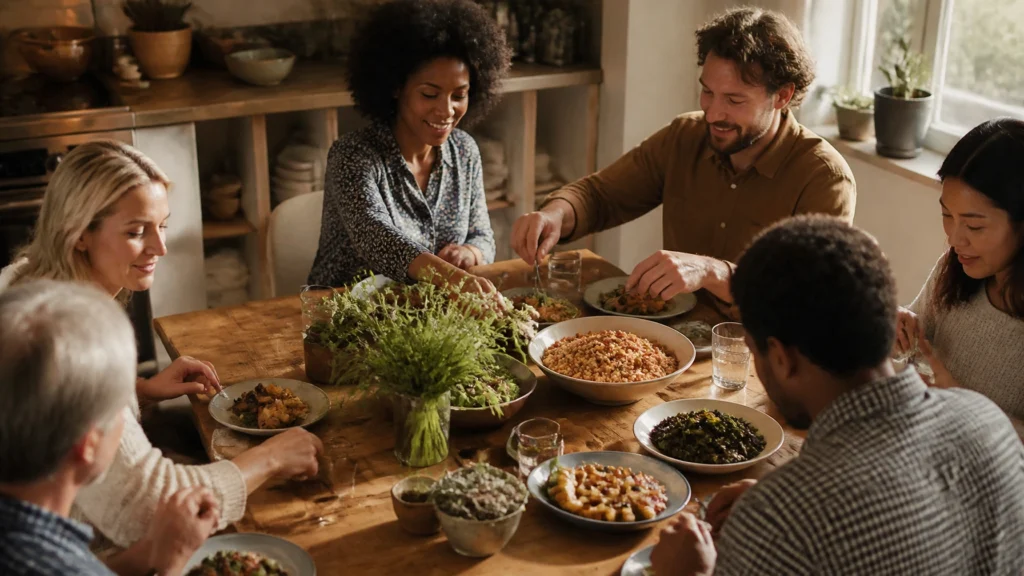
When celiac disease became part of our daily life, we learned that friendship is not only about laughter, history, or the number of years you have known someone. Friendship is also about the moments when the plan changes. It is about who listens. Who learns. Who asks, “What would help?” instead of, “Can’t you just make an exception?”
We are not naming names because this story is not about putting anyone on trial. It is about what we discovered together: the people who stayed became unmistakable.
And to every warrior navigating a chronic condition while trying to maintain a social life, we want you to know this:
You are not too much. Your needs are not an inconvenience. The right people will not make you beg for basic care.
Tammy’s Voice: I Wanted to Be Seen, Not Fixed
When I first had to take gluten seriously, I felt like my world had changed overnight.
Food was no longer just food. A restaurant was no longer simply a place to meet friends. A casual invitation could come with a list of questions running through my mind:
- Will there be anything safe for me to eat?
- Will people think I am being difficult?
- Will I have to explain cross-contact again?
- Will I end up sitting there hungry while everyone else enjoys dinner?
- Will anyone believe me if I say that a small amount can make me sick?
The hardest part was not always the meal itself. Sometimes it was the feeling of becoming a problem in the room.
There were people who tried to help by offering quick solutions. “Maybe you can take something afterward.” “Surely one little bite won’t hurt.” “You look fine.” I know some of those comments came from confusion rather than cruelty, but they still landed heavily.
What I needed was not a lecture or a miracle cure. I needed someone to listen without immediately trying to fix me.
The friends who made a difference did small, almost ordinary things. They asked questions and remembered the answers. They checked ingredients before serving something. They understood that a shared cutting board or contaminated utensil could matter. They called a restaurant ahead of time. They never sighed when I needed to ask a server another question.
One person brought a safe snack without making an announcement about it. It was not an elaborate gesture. It was simply there, waiting for me, so I would not have to arrive empty-handed or explain myself.
That small kindness stayed with me.
That is what being seen can look like.
Not grand speeches. Not perfect understanding. Just someone noticing what the journey requires and choosing to make it a little easier.
Martin’s Voice: I Watched People Step Up
As Tammy’s husband, I have watched this journey from close range.
I have seen how much mental energy can go into a single meal. I have watched her read labels carefully, question ingredients, and weigh whether a social invitation is worth the risk and exhaustion. I have also seen the emotional cost when someone treats those precautions as an overreaction.
At first, I wanted to protect her from every careless comment. I wanted to explain celiac disease to everyone in the room and make them understand immediately.
But friendship does not always need a speech. Sometimes it needs a witness. Sometimes it needs someone willing to stand beside the person they love and say, “Her health matters. Let’s make this work.”
I watched a friend research celiac disease independently. No one asked him to study cross-contact or investigate restaurant procedures. He did it because Tammy mattered to him.
I watched someone defend her at a dinner gathering when another guest made an awkward joke about her food. The defense was calm, not dramatic. But it changed the temperature of the room.
And I noticed the quiet ones, too.
The people who did not always know what to say, but stayed in touch. The person who changed plans without making Tammy feel guilty. The friend who said, “We can eat somewhere else,” and meant it. The old buddy who did not understand every detail but understood that her health was not up for debate.
Those moments taught me something important: support does not have to be perfect to be meaningful. It has to be sincere.
The Grief of Friendships That Faded Is Real
We want to be honest about the other side.
Some friendships became harder. Invitations grew less frequent. Certain people stopped asking us to join them because food had become complicated. There were awkward silences after we explained why we could not safely eat what everyone else was eating.
Sometimes it felt as if celiac disease had made our world smaller.
There is grief in that. We should not rush past it.
When a friendship fades because your life requires more care, it can feel like rejection, not only of your diet, but of you. You may find yourself wondering whether you are asking too much or whether you should simply stay home so no one else has to accommodate you.
If you have felt that way, you are not alone. Research on celiac disease has found that social support and practical accommodation from friends and family can affect quality of life, while concerns about cross-contact can make people less likely to eat at restaurants or in other people’s homes. Read more about the social impact of celiac disease and support networks.
The grief deserves a name.
Then, when we are ready, it deserves a boundary.
We can be sad that someone did not stay without continuing to chase them. We can miss the history without pretending the relationship still feels safe. We can wish someone well and still build our future around the people who show up.
Not every goodbye is a failure. Some are an honest answer.
What Celiac Taught Us About Real Friendship
Quality Matters More Than Quantity
Before this journey, we may have measured friendship by how many people were in our circle. Now, we measure it differently.
Who can we call on a difficult day? Who respects the answer when we say something is unsafe? Who celebrates our victories instead of minimizing our battles?
A smaller circle can still be a rich one. In fact, it can become more peaceful, more honest, and more nourishing.
Love Shows Up in Practical Ways
Love is not always poetic. Sometimes it looks like:
- A carefully checked ingredient label.
- A separate serving utensil.
- A restaurant chosen with everyone’s safety in mind.
- A message asking how recovery is going after accidental exposure.
- A friend who brings gluten-free food and does not expect praise for it.
- A person who listens to the same complaint more than once because chronic illness is repetitive.
These details may seem small from the outside. To the person living with celiac disease, they can feel enormous.
Some People Are for a Season
This lesson was difficult for us.
Some people belong to a particular chapter. They may have brought joy, companionship, or comfort at one point, but they may not have the capacity to walk through every season with us.
That does not erase the good years. It simply means the journey has changed.
We are allowed to release relationships that repeatedly leave us feeling unseen. We are also allowed to appreciate the people who are learning, even if they do not get everything right immediately.
Friendship Has to Be Reciprocal
A chronic condition can make you feel as though you are always asking for something. More planning. More patience. More understanding.
But you still have something to give.
We can communicate clearly. We can check in. We can suggest safe activities that do not revolve around food. We can remember our friends’ needs, too. We can be honest when we are tired instead of disappearing without explanation.
Being cared for does not mean becoming passive. The healthiest friendships make room for both people.
How to Keep Friendships Alive During a Chronic Illness Journey
If you are trying to maintain friendships while living gluten-free, here are a few discoveries that have helped us.
Communicate before resentment builds.
People cannot always guess what you need. A simple explanation can prevent confusion: “I would love to come, but I need to know whether there will be a safe option.”
Offer alternatives.
Friendship does not have to happen over a restaurant meal. Try a walk, a movie, a coffee made safely at home, a game night, or a visit where you bring your own food.
Accept help when it is offered.
This one can be challenging. We may worry about being a burden, so we insist on doing everything ourselves. But allowing a friend to help can deepen trust. Let someone call ahead. Let someone prepare a safe dish. Let someone stand beside you.
Be the friend you want to have.
Remember birthdays. Send the message. Ask about the hard day. Offer patience. We cannot control how other people respond to our diagnosis, but we can continue to build the kind of community we hope to receive.
Protect your peace.
If someone repeatedly mocks your needs, pressures you to take risks, or treats your illness as attention-seeking, you do not have to keep proving your worth. Your health is not a negotiation.
For those who feel overwhelmed by restaurant questions and safe food planning, our Dining Out Gluten-Free: The No-Stress Guide was created to help make those conversations feel more manageable.
Our Diagnosis Did Not Shrink Our World, It Clarified It
We still have hard days.
There are meals we skip. Plans we modify. Moments when we wish life could be simpler.
But our diagnosis did not take friendship away from us. It showed us what friendship could become when people choose care over convenience.
Tammy found the people who listened without making her feel dramatic. I found the people who stepped up without needing applause. Together, we learned that support is not measured by grand gestures. It is built through consistency.
A safe meal. A patient conversation. A friend who stays.
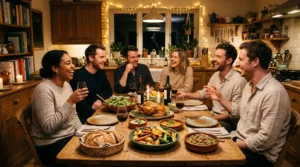
That is the table we are building our life around now.
And if you are still searching for your people, please do not give up, warrior. Your world may feel uncertain today, but the right connections are still possible. There are people who will learn. People who will listen. People who will make room.
The people who stayed did not merely remain in our lives. They helped make those lives feel possible again.
Tried & Tested
Everything we share has been tested in our own kitchen. We live this life every day, and we’re happy to answer your questions honestly, from real experience.
We share our lived gluten-free experience, not medical advice. We’re not doctors , please do your own research and talk to your healthcare provider before making changes to your diet or treatment.
“Friendship is not about who has known you the longest. It is about who makes you feel safe enough to keep becoming yourself.”
We’d Love to Hear From You
Has living with celiac disease changed the way you see friendship? Did someone show up for you in a way you will never forget: or did a relationship fade when you needed support most?
We would love to hear your story, review, or message. Visit our contact page or email us at lairdmartin1@gmail.com. Your experience may be exactly what another warrior needs to read today.
↑ Explore more real celiac stories and gluten-free support
↑ Explore our gluten-free guides and tools
With warmth, honesty, and hope,