If you’re reading this, chances are you know the feeling. It’s that heavy, “walking through waist-deep mud” sensation that hits before the clock even strikes noon. It’s the brain fog that makes you forget why you walked into the kitchen, and the stubborn chill in your hands and feet that no amount of wool socks can fix.
For the thyroid warriors in our community, especially those battling Hashimoto’s or Hypothyroidism, this isn’t just a “bad day.” It’s a daily reality.
When my wife, Tammy, was first diagnosed, we were overwhelmed. We spent years navigating the maze of blood tests, doctor visits, and dietary overhauls. We learned the hard way that while medication is often a vital foundation, it isn’t always the whole story. To truly thrive, our bodies need the right building blocks. That’s where the world of supplementation comes in.
But before we dive into our “Big Ten” arsenal, let’s get the most important part out of the way.
 A Note from Our Heart to Yours (Medical Disclaimer)
We are not doctors, and I am certainly not an endocrinologist. We are a family sharing our lived experience, research, and the lessons we’ve learned in our own kitchen and lives. Thyroid health is incredibly delicate.
Supplements that help one person can be harmful to another (especially things like Iodine). Please, always consult with your healthcare provider and get your blood levels tested before starting any new supplement regimen.
Knowledge Is Power: Why Your Thyroid Needs Extra Love
The thyroid gland is like the master thermostat of your body. It controls your metabolism, your temperature, and your energy levels. When you have Hashimoto’s, your immune system is essentially “confused,” attacking this vital gland and leaving you depleted.
In a perfect world, we’d get every nutrient we need from our food. But between depleted soil quality and the malabsorption issues that often come with autoimmune “leaky gut,” many of us are running on empty. Supplementing isn’t about replacing a good diet; it’s about filling the gaps so your thyroid can actually do its job.
I’ve documented much of our personal struggle and the emotional toll this takes on a family in my post, Supporting My Wife Through Hashimoto’s: A Husband’s Perspective. If you’re feeling alone in this journey, I invite you to read that first: it’s the “why” behind everything we do here.
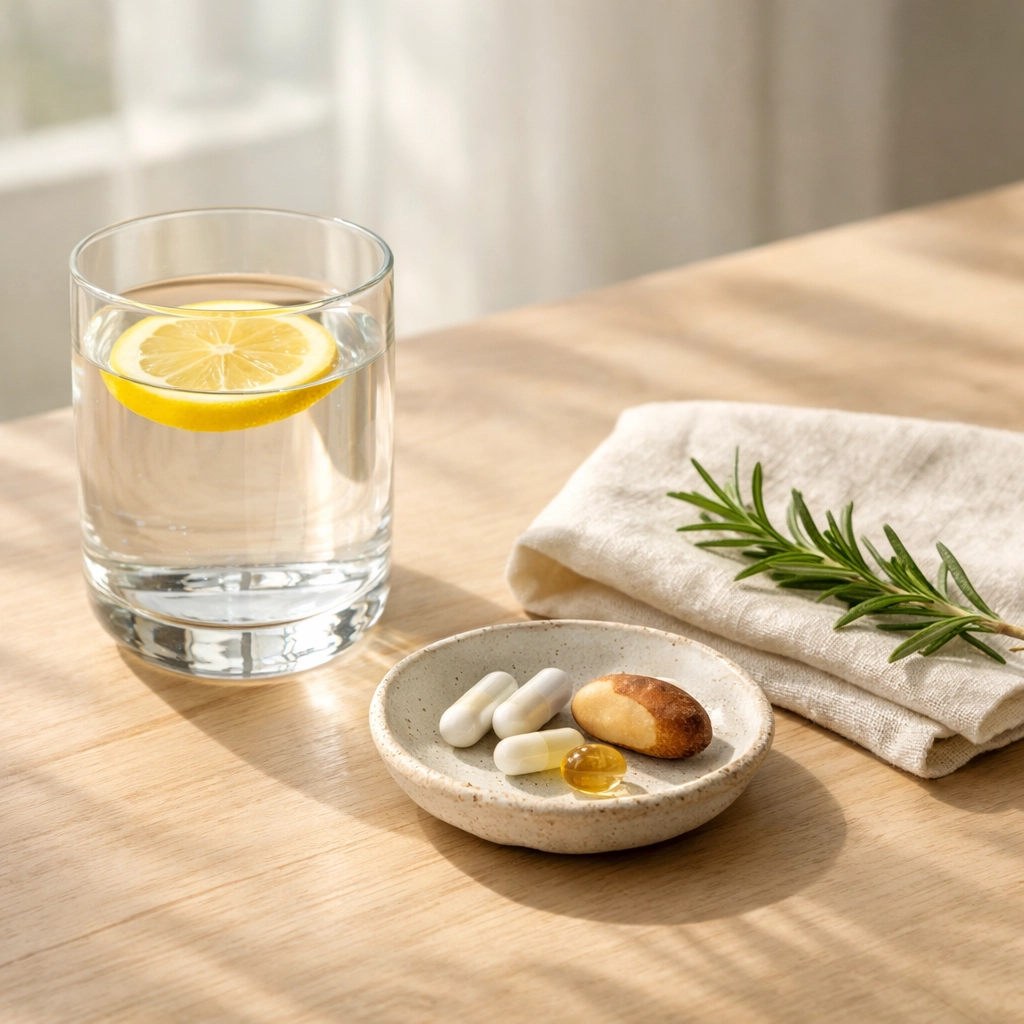
The Big 10: Our Arsenal for Vitality
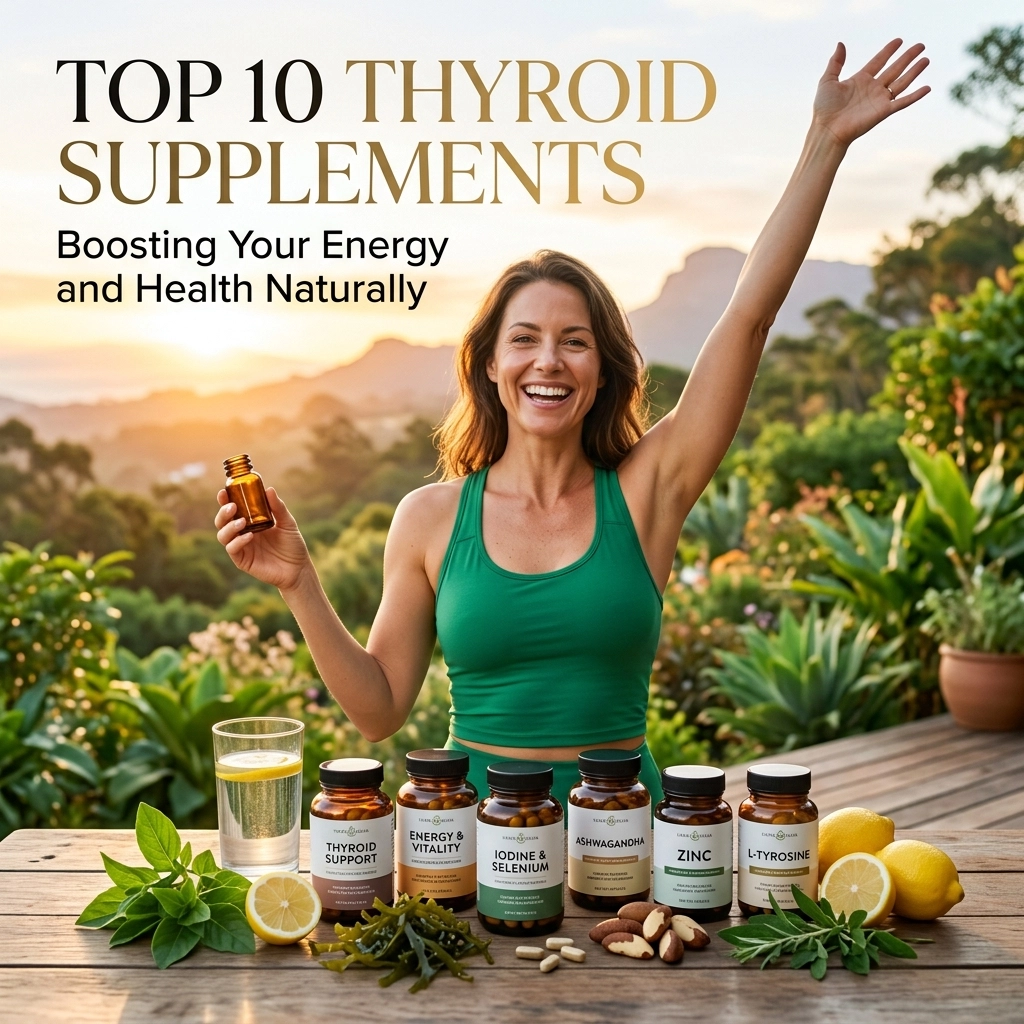
Through our research and the advice of the functional medicine experts we’ve followed, these ten supplements consistently rise to the top for supporting thyroid function and reducing that dreaded autoimmune inflammation.
1. Selenium: The Shield for Your Thyroid
If there is one “superstar” mineral for Hashimoto’s, it’s Selenium. Your thyroid contains more selenium per gram of tissue than any other organ in your body. It acts as a powerful antioxidant, protecting the gland from damage while it’s producing hormones.
Research has shown that Selenium can actually help reduce thyroid antibodies (TPO). It’s also crucial for the “conversion” process: turning the inactive T4 hormone (what’s in most medications) into the active T3 hormone that your cells can actually use.
- The “Warrior” Takeaway: Think of Selenium as the bodyguard that stands between your thyroid and oxidative stress.
2. Vitamin D3 + K2: The Sunshine Hormone
Most people call it a vitamin, but Vitamin D acts more like a hormone in the body. It is a massive regulator of the immune system. Almost every person we’ve spoken to in the Hashimoto’s community started their journey with a severe Vitamin D deficiency.
When your Vitamin D is low, your immune system can become “hyper-reactive,” leading to more frequent flares. We always look for D3 paired with K2, as K2 ensures the calcium mobilized by Vitamin D goes to your bones and not your arteries.
- The “Warrior” Takeaway: Optimizing Vitamin D is often the first step in “quieting” the autoimmune attack.
3. Magnesium: The Master Relaxer
Magnesium is involved in over 300 biochemical reactions in the body. For thyroid patients, it’s a lifesaver for muscle cramps, headaches, and that “tired but wired” feeling that prevents a good night’s sleep.
Low magnesium can also hinder the conversion of T4 to T3. Since many of us with thyroid issues also struggle with digestive “sluggishness,” magnesium (especially in the citrate or malate form) can help keep things moving.

4. Zinc: The Conversion Specialist
Zinc is another critical player in the T4 to T3 conversion game. Without enough zinc, your thyroid can’t produce the hormones you need, and your brain can’t signal your thyroid to get to work.
Warning: Zinc and Copper live on a seesaw. Taking too much of one can deplete the other. This is why we always recommend working with a practitioner to find that “sweet spot” balance.
- The “Warrior” Takeaway: If you’re taking your meds but still feeling symptomatic, your “conversion” might be the bottleneck, and Zinc could be the key.
5. Vitamin B12: The Energy Spark Plug
Do you feel like your brain is wrapped in cotton wool? That’s the brain fog talking. B12 deficiency is incredibly common in people with hypothyroidism because low stomach acid (a side effect of low thyroid) makes it hard to absorb B12 from food.
We prefer the methylcobalamin form of B12, which is more “bioavailable” (easier for your body to use). It’s one of the fastest ways to see a slight uptick in daily mental clarity.
6. Iron and Ferritin: The Oxygen Movers
This is a big one. You can have “normal” iron levels but very low Ferritin (your stored iron). If your ferritin is low, your thyroid hormones cannot get into your cells effectively. It’s like having a key but no way to turn the lock.
Symptoms of low iron often mimic hypothyroidism: fatigue, hair loss, and shortness of breath.
- Critical Note: Never supplement iron without a blood test, as too much iron is toxic.
Love Is in the Details: Beyond the Basics
While the minerals above are the “foundation,” there are several other supplements that address the root causes of why we feel so run down. You can find more about the holistic approach to these issues in our Autoimmune Health Category.
7. Myo-Inositol: The Hormone Balancer
Myo-inositol is a type of sugar that helps with insulin sensitivity, but recent studies have shown it can be incredibly effective for thyroid health when taken with Selenium. It helps the thyroid-stimulating hormone (TSH) signal work more efficiently, which can lead to lower TSH levels and better overall balance.
8. Ashwagandha (KSM-66): The Stress Buffer
Living with a chronic illness is stressful. Stress produces cortisol, and high cortisol is the enemy of the thyroid. Ashwagandha is an “adaptogen”: a plant that helps your body “adapt” to stress.
Specifically, the KSM-66 extract has been shown to support healthy TSH and T4 levels in people with subclinical hypothyroidism. It’s that bit of “calm in the storm” we all need.
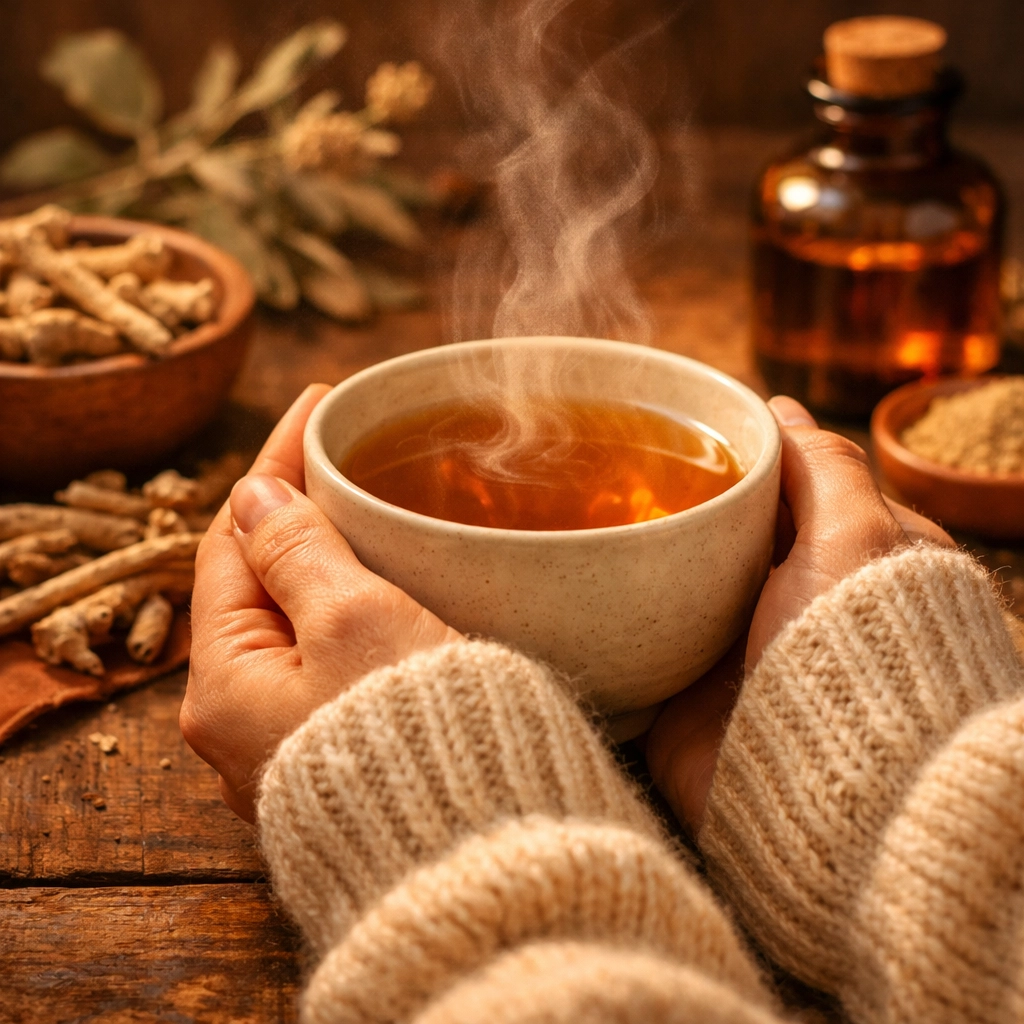
9. Probiotics: The Gut-Thyroid Connection
They say all disease begins in the gut, and for Hashimoto’s, that’s often true. A huge portion of your immune system lives in your gut lining. If your microbiome is out of balance, your inflammation will stay high.
A high-quality probiotic helps seal the gut and supports the conversion of T4 to T3, about 20% of which actually happens in the digestive tract!
10. Omega-3 Fatty Acids: The Inflammation Fighter
Chronic inflammation is the fire that fuels autoimmune disease. High-quality fish oil (rich in EPA and DHA) acts like a bucket of water on that fire. It supports brain health, reduces joint pain, and helps keep your cell membranes flexible so hormones can pass through easily.
The Road to Resilience
Supplementation is a journey, not a quick fix. When Tammy and I started this, we expected results in 24 hours. The reality? It takes time. It takes consistency. And most importantly, it takes a holistic approach that includes a clean, gluten-free diet and stress management.
If you’re looking for a structured way to manage the dietary side of this battle, I highly recommend checking out The 7 Day Anti-Inflammatory Kickstart. It’s the culmination of our years in the kitchen, finding meals that don’t just taste good, but actually help us feel human again.
The 7-Day Anti-Inflammatory Kickstart: A Simple Gluten-Free Guide to Healing
Remember, you are a warrior. The fatigue might be heavy today, but by taking small, informed steps toward supporting your body, you are reclaiming your power. We are in this together, one meal and one supplement at a time.
Tried & Tested
We want you to know that we don’t just write about these things: we live them. Every supplement mentioned, every recipe on this blog, and every lifestyle tip comes from our own kitchen and our personal daily routines. We test everything so we can answer your questions with honesty and empathy.
Medical Disclaimer: The information on The Wandering Quill is for educational and informational purposes only. We share our lived gluten-free experience and what we have learned through our own health journeys, but we are not medical professionals.
Supplements can interact with medications or underlying conditions. Always do your own research and consult with a qualified doctor or healthcare provider before making changes to your health regimen.
Ready to take the next step in your health journey?
- Check out our Gluten-Free & Dairy-Free Recipes to support your thyroid naturally.
- Have questions? Contact us: we love hearing from our community!
- Keep exploring the Blog Space for more tips on living your best life.
Stay strong, stay curious, and keep wandering.