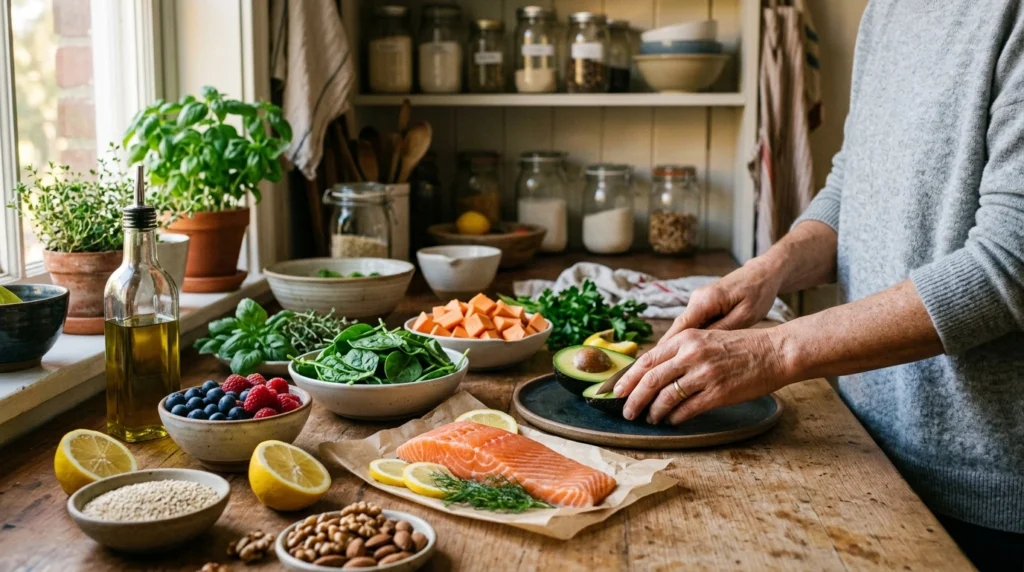
A celiac or autoimmune diagnosis can make the world feel surprisingly small.
Suddenly, ordinary moments require planning. A restaurant meal becomes a series of questions. A grocery trip turns into label detective work. Family gatherings can feel complicated. Even standing in a room full of people can feel lonely when no one understands why one crumb matters.
We know that feeling.
When Tammy began navigating Hashimoto’s, hypothyroidism, and a strict gluten-free lifestyle, I wanted to help her, but I didn’t always know how. Tammy was the one living inside the symptoms, the fatigue, the uncertainty, and the constant need to stay alert. I was learning how to support her without making her feel like a problem that needed fixing.
Then something beautiful began to happen.
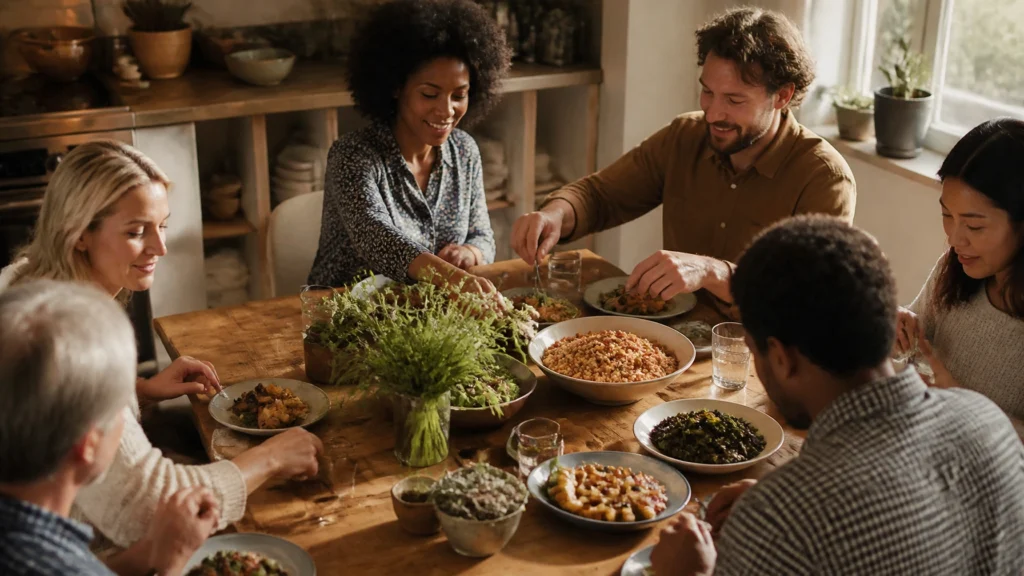
Along the way, we met people who listened. People who learned. People who asked better questions. People who made room at the table.
These are some of the community stories that changed us. The names and details are intentionally left open so we can add the real people we’ve met, but the heart of each story is true: connection can make a difficult journey feel possible.
The Server Who Took Our Questions Seriously

There was a time when eating out felt more like entering a battle than enjoying a meal.
Tammy would ask about ingredients, preparation surfaces, shared fryers, sauces, and cross-contact. Sometimes people responded kindly. Other times, we could see the impatience on their faces. That look can be painful. It makes you feel as if protecting your health is an inconvenience.
Then we met Sarah.
Instead of brushing off Tammy’s questions, she slowed down. She went to speak with the kitchen. She came back with specific answers rather than vague reassurance. Most importantly, She understood that gluten-free was not a preference for Tammy. It was part of keeping her safe.
That meal may not have looked extraordinary from the outside. But to us, it felt like a small victory.
Tammy remembers the relief of not having to defend herself. I remember watching someone choose patience when it would have been easier to dismiss her concerns.
Kindness becomes powerful when it is paired with action.
If you work in food service, please know this: learning proper gluten-free protocol can change someone’s entire evening. If you are dining out with celiac disease, you are allowed to ask questions. You are allowed to leave if the answers do not feel safe.
↑ For more practical guidance from a reputable celiac organization, visit the Celiac Disease Foundation’s gluten-free resources.
The Fellow Warrior Who Needed No Explanation

Some people enter our lives and understand the hard parts before we explain them.
For Tammy, that person was Samamtha, someone who was also living with an autoimmune condition and the daily uncertainty that comes with it. Maybe it was Hashimoto’s. Maybe it was celiac disease. Maybe it was another invisible battle entirely.
The diagnosis itself was not the only thing they shared.
They understood the fatigue that arrives without warning. The frustration of making progress and then having a difficult day. The grief of missing foods, traditions, or spontaneous plans. They understood that sometimes the most helpful sentence is simply, “I know. Today is hard.”
Tammy did not have to translate her experience into medical language. She did not have to prove that she was trying. She could talk honestly about brain fog, food fears, appointments, and the emotional cost of always being careful.
That kind of friendship is a gift.
From my perspective, meeting someone who truly understood Tammy helped me understand her better too. I learned that support is not always about offering advice. Sometimes it is about giving someone a place where they can stop explaining.
Being understood is its own kind of nourishment.
If you are searching for your people, begin where shared experience already exists. Look for autoimmune communities, celiac groups, local meetups, or online spaces moderated with care. You do not need to become an expert before you join. You only need to arrive as yourself.
The Support-Group Regular Who Became Family

At first, Cheryl was simply someone we saw at support group.
Over time, that changed.
There were conversations about recipes, restaurant experiences, safe products, and label-reading discoveries. But the most meaningful conversations were often about life beyond food. What do you say at a family gathering? How do you travel safely? How do you explain celiac disease to someone who thinks you are being dramatic? How do you keep going when the practical details become exhausting?
Cheryl had a way of making room for everyone.
Newly diagnosed people could ask basic questions without embarrassment. Longtime gluten-free warriors could share hard-earned wisdom. Caregivers and family members could admit when they felt overwhelmed. Nobody had to pretend the journey was easy.
Eventually, this person became more than a support-group regular. She became part of our circle, someone we could message after a difficult day or celebrate with after a new gluten-free discovery.
That is how community grows. Not always through dramatic moments, but through repeated acts of showing up.
The National Celiac Association support network offers local connections and a monthly virtual support group. That can be a helpful starting point if you are not sure where to find people nearby.
You do not have to carry the whole battle alone.
The Guide Who Helped Turn Fear Into Confidence
Some people help us by teaching us what to do next.
For us, that person was Suzanne. This person did not promise instant answers or pretend every gluten-free journey looks the same. Instead, she helped us slow down and build practical habits.
We learned to prepare questions before appointments. We learned to review labels carefully and check products again when formulas changed. We learned that meal planning could reduce stress instead of adding to it. We learned that a safe kitchen is built through routines, communication, and attention to cross-contact.
Most importantly, Tammy began to feel more confident.
There is a difference between living in fear and living with awareness. Fear says, “Everything is dangerous.” Awareness says, “I can learn, prepare, and make informed choices.”
That shift mattered.
My role changed too. I became less likely to jump in with solutions and more willing to ask Tammy what kind of support she needed. Did she want me to research? Cook? Listen? Come to an appointment? Sometimes the answer was simply, “Please sit with me.”
That was a discovery for both of us.
↑ Our gluten-free recipe collection and checklists grew from this same desire to make daily life feel less overwhelming and more manageable.
The Other Gluten-Free Parent at the School Gate

Community does not always begin in a formal support group.
Sometimes, it starts beside a school entrance.
Picture Teresa, standing with another parent during pickup, sharing the kind of information that can make a family’s week easier. Which snacks are safe? How does the school handle classroom celebrations? What happens when a birthday party includes pizza and cupcakes? Who should be contacted when there is a special event?
These conversations may seem ordinary. They are not.
For a parent managing celiac disease or another serious food restriction, school can bring a new collection of worries. Will their child feel different? Will adults take the condition seriously? Will there be safe food at the party? Will the child be left out?
The parent we met helped turn those worries into a plan.
Maybe she shared a trusted bakery. Maybe she explained how to speak with teachers. Maybe she simply said, “We deal with this too,” and made the whole situation feel less frightening.
Support often begins with one honest sentence.
I understand. You are not the only one.
How We Can Build More Community
We have learned that finding support requires a little courage. It can feel vulnerable to introduce yourself, ask questions, or admit that you are struggling. But every friendship, helpful resource, or encouraging message has to begin somewhere.
Here are a few places to start:
- Join a local or virtual support group. Try a celiac organization, hospital program, community group, or moderated online gathering.
- Look for people who understand the emotional side. Recipes matter, but so do grief, travel worries, family pressure, and loneliness.
- Use practical tools wisely. The Find Me Gluten Free app and website can help you discover restaurants and read community reviews, especially when traveling. Always ask the restaurant direct questions, because reviews are a starting point, not a guarantee.
- Tell trusted people what support looks like. Sometimes you need help reading labels. Sometimes you need someone to listen without trying to fix everything.
- Become part of someone else’s support system. Share a recipe, recommend a resource, or welcome the newly diagnosed person who is still finding their footing.
- Protect your boundaries. Community should make you feel safer and more understood, not pressured to ignore your health needs.
Martin: I have learned that supporting Tammy is not about having every answer. It is about being willing to learn, paying attention, and standing beside her when the journey becomes difficult.
Tammy: I have learned that asking for help does not make me weak. It gives the people who love me a chance to walk with me.
That is what we want every warrior to know.
The people we meet may not remove every hard thing. But they can make the road warmer. They can remind us that our experiences matter. They can help us find laughter, safe meals, honest conversations, and hope when we need it most.
Tried & Tested
We use these recipes and ideas in our own kitchen, and we personally test everything so we can answer your questions honestly. Our gluten-free experience comes from living this journey together, learning as we go, and sharing what has helped us.
Medical disclaimer: We share our lived gluten-free experience and what we know, but we are not doctors or medical professionals. Please do your own research and speak with your healthcare provider before making significant changes to your diet, treatment, or health routine.
“Alone we can do so little; together we can do so much.” : Helen Keller
We’d Love to Hear Your Story
Have you met someone who made your celiac or autoimmune journey easier? We would love to hear about them. Send us a message through our contact page, share a review, or tell us about a person who helped you feel seen.
Your story may be the encouragement another warrior needs today.
No one should have to face this journey alone.