Not everyone gets it right when autoimmune illness enters the room.
Some people mean well but say the wrong thing. Some roll their eyes. Some offer the familiar advice: “Just a little bit won’t hurt.” Others slowly stop inviting you over because accommodating a gluten-free diet feels inconvenient.
And then there are the people who listen, learn, and try again.
We have met all of them.
I won’t name names, that’s not the point. This isn’t about settling scores or putting anyone on trial. It’s about telling the truth about what it feels like when the people around you misunderstand something that has changed your daily life.
Because the comments can hurt. The silence can hurt more. But over time, we have learned that grace does not mean pretending the hurt never happened. Grace means refusing to let that hurt turn us hard.
The Journey Changed Before Everyone Understood
When Tammy’s autoimmune conditions became part of our lives, we were still learning what everything meant ourselves.
Hashimoto’s and hypothyroidism were not simply words on a medical chart. They affected energy, food choices, routines, moods, plans, and the ordinary decisions other people rarely have to think about.
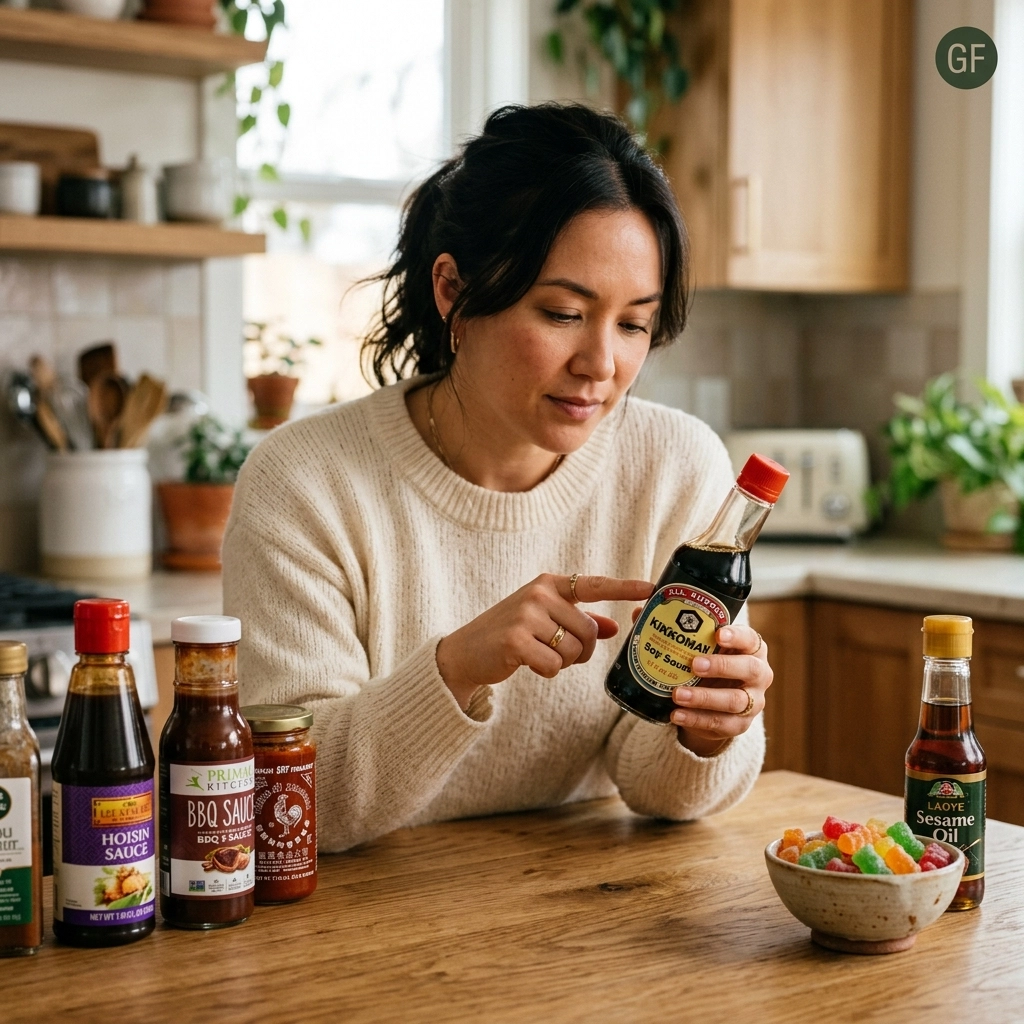
We had to rethink what we cooked and how we cooked it. We became label readers. We asked more questions. We learned that a meal could look perfectly harmless and still require a closer look.
That learning curve was overwhelming.
So when someone else didn’t understand right away, we tried to remember that we had not understood everything right away either. We were learning how to live in a new way, and we could not expect everyone else to become an expert overnight.
Still, understanding the reason did not make every moment painless.
Most people were not malicious. They were simply uneducated. But the impact of their words could still be real.
The Relative Who Said, “Just a Little Bit Won’t Hurt”
There is something especially difficult about hearing this from family.
The comment may arrive at a holiday table, beside a tray of food, or while someone is offering you a homemade treat. The person may believe they are being reassuring. Perhaps they think gluten-free is a preference, a temporary experiment, or a matter of feeling slightly uncomfortable afterward.
But for someone managing celiac disease or another gluten-related condition, “just a little” can feel like a dismissal of the entire battle.
Tammy remembers how frustrating it was to explain that this was not about being difficult or dramatic. Food was not a test of politeness. It was part of protecting her health.
I remember feeling defensive on her behalf. I wanted everyone to understand immediately. I wanted them to see the hours of research, the fatigue, the uncertainty, and the worry behind what looked like a simple request.
But we learned to answer with clarity instead of anger.
“Thank you for thinking of me, but I need to avoid gluten completely. I know it may seem like a small amount, but it isn’t a risk I can take.”
Sometimes that explanation was enough. Sometimes it was not.
When it was not, we stopped trying to force understanding. We brought our own food. We ate before arriving. We made different plans when necessary.
That was one of our earliest discoveries:
A boundary is not an attack. It is information about how to love and protect ourselves.
The Friend Who Treated It Like a Fad
We have also encountered the people who assume gluten-free living is a trend.
They may joke about expensive “special food.” They may suggest that we are following the latest internet craze. They may compare an autoimmune-related diet to someone casually avoiding carbs for a few weeks.
Those comparisons can make a person feel invisible.
Tammy’s health journey was not a lifestyle accessory. It was not a way to appear disciplined or fashionable. It was one part of trying to feel better and live more comfortably in her own body.
I think this is where many people get stuck: they see the food, but they do not see the reason behind it.
They see the gluten-free bread. They do not see the label checking.
They see the separate meal. They do not see the anxiety that can come with uncertainty.
They see a person declining dessert. They do not see how exhausting it can be to explain the same decision over and over again.

We found grace by remembering that people often speak from the limits of what they know. A calm conversation can sometimes open a door.
We might say, “For us, gluten-free is connected to health, not a trend. We are still figuring things out, but this matters in our home.”
Some friends became more thoughtful after that conversation. They began asking questions. They checked ingredients. They made space at the table.
Others did not.
That hurt, too.
But we eventually made peace with the fact that not every relationship grows in the direction we hope. We can offer information. We cannot make someone care.
The People Who Quietly Stopped Inviting Us
This kind of misunderstanding is quieter.
There is no argument. No cruel comment. No dramatic ending.
The invitations simply become less frequent.
At first, you wonder whether you are imagining it. Then you notice that gatherings happen without you. Meals are planned without asking what is safe. The group chat goes quiet when food is involved.
For someone with dietary restrictions, exclusion can feel like confirmation that your needs are a burden.
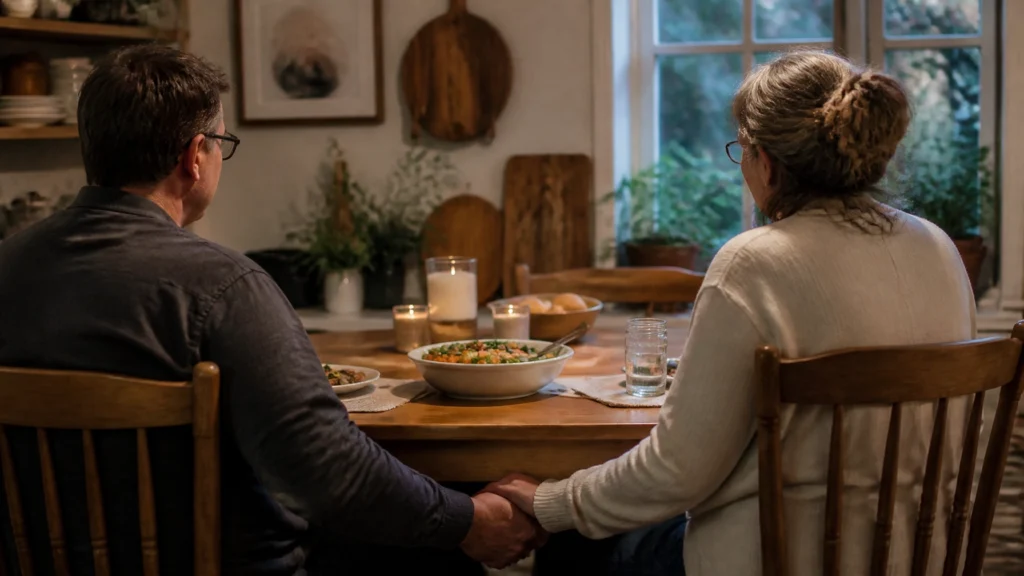
We have had to face that feeling together.
Sometimes people stop inviting you because they genuinely do not know how to accommodate you. They are afraid of getting it wrong. They assume you would rather stay home. Or they do not understand that being included does not require a perfect meal, it may simply require communication.
When possible, we have tried to make that communication easier.
We say, “You don’t have to prepare something complicated. We can bring a dish to share.”
We say, “Even if I cannot eat everything, I would still love to be included.”
We say, “Please ask rather than assume.”
Those words have repaired some gaps. Not all of them.
And when a door stayed closed, we learned to build another table.
Being left out is painful. But it does not mean we are difficult to love.
The Waiter Who Didn’t Understand the Question
Restaurants bring a different kind of misunderstanding.
We have asked whether something is gluten-free and received an uncertain answer. We have explained cross-contact concerns and been met with a shrug. We have watched a server remove one ingredient from a dish and assume the problem was solved.
It can be awkward to keep asking questions when everyone else at the table is ready to order.
It can feel embarrassing to slow things down.
But our health is worth a few extra minutes.

We have learned to replace apology with appreciation.
Instead of saying, “I’m sorry to be difficult,” we try, “Thank you for helping me understand what is safe.”
If the answers remain unclear, we choose something else, or we choose not to eat there. That decision is not always convenient, but it is empowering.
For anyone still building confidence, practical resources can help. Our Dining Out Gluten-Free: The No-Stress Guide was created to make those conversations easier, with questions and strategies we wish we had known earlier.
The victory is not ordering the most exciting item on the menu.
The victory is leaving the restaurant feeling that you advocated for yourself.
Grace Does Not Cancel Boundaries
We used to think grace meant absorbing everything quietly.
Now we understand it differently.
Grace can sound like patience, but it can also sound like a firm “no.” Grace can mean giving someone another opportunity to learn, but it does not require giving them unlimited access to our health or peace.
We can hold both truths:
- Someone may not have intended to hurt us.
- We were still hurt.
- Someone may be learning.
- We still need safe choices today.
- We can forgive a misunderstanding.
- We do not have to ignore a repeated pattern.
- We can love people.
- We can also change how much we rely on them.

In our kitchen, boundaries became acts of love. We created systems that made gluten-free cooking feel less frightening and more manageable. We learned to separate what needed to be separate, read labels carefully, and plan ahead instead of waiting until we were exhausted.
Our Guide to a Safe Gluten-Free Kitchen grew out of that learning. It is not about creating a perfect kitchen. It is about creating a kitchen where confidence can grow.
Safety is not selfish. Peace is not something we have to earn.
Grace for Ourselves, Too
There were days when we got it wrong.
Days when we answered sharply. Days when we were too tired to explain. Days when a careless comment landed on top of an already difficult week and felt impossible to carry gracefully.
Tammy has had moments when she simply could not educate one more person.
I have had moments when my frustration spoke first.
We are learning to give ourselves the same compassion we hope to give others.
We are not perfect advocates. We are two people trying to protect health, preserve relationships, and enjoy life at the same time.
Some days we handle the battle beautifully. Some days we eat the safe meal, close the kitchen, and begin again tomorrow.
That still counts.
The People Who Came Around
Thankfully, this story is not only about disappointment.
Some people did learn.
The relative who once questioned every ingredient began reading labels. The friend who thought gluten-free was a fad started asking what would make gatherings easier. The person who had never understood cross-contact began taking our concerns seriously.
Their efforts mattered, not because they erased the earlier hurt, but because they showed a willingness to grow.
That is where grace becomes something we can actually feel.
Not in perfect words.
In changed behavior.
In a clean cutting board. A thoughtful question. A safe dish prepared with care. An invitation that says, “We want you here, and we will figure this out together.”

Those moments remind us that education can become empathy. Empathy can become action. And action can make a difficult journey feel less lonely.
We Are Still Choosing Hope
If someone has misunderstood your autoimmune or gluten-free journey, we want you to know this:
You are not overreacting because you need safe food.
You are not ungrateful because you ask questions.
You are not a burden because your health requires planning.
And you are not alone.
We cannot control other people’s reactions. We can control how clearly we communicate, how firmly we protect our boundaries, and how gently we speak to ourselves when the day gets hard.
Grace does not mean pretending it didn’t hurt.
It means not letting the hurt harden us.
We can remain warriors without becoming bitter. We can protect our peace without closing our hearts. We can walk away from unsafe situations and still believe that better people, better understanding, and better days are ahead.
The people who got it wrong became part of our story. They do not get to write the ending.
“Grace doesn’t erase the battle. It gives us the strength to keep walking through it with an open heart.”
We’d Love to Hear From You
Have you ever had to explain your gluten-free or autoimmune needs to someone who didn’t understand?
Did someone eventually come around, or did you have to make peace with their distance?
We would genuinely love to hear your story. Share a comment, send us a message through our contact form, or email us at lairdmartin1@gmail.com. Your experience may be the encouragement another warrior needs today.
Tried & Tested
Everything we share has been tested in our own kitchen. We live this life every day, and we’re happy to answer your questions honestly, from real experience.
Medical disclaimer: We share our lived gluten-free experience, not medical advice. We’re not doctors , please do your own research and talk to your healthcare provider before making changes to your diet or treatment.
If you are looking for practical support as you build your routines, explore The Wandering Quill’s gluten-free guides. You do not have to figure this out alone.
With hope, honesty, and a little more grace,